
 English
 Español
 русский
 Français

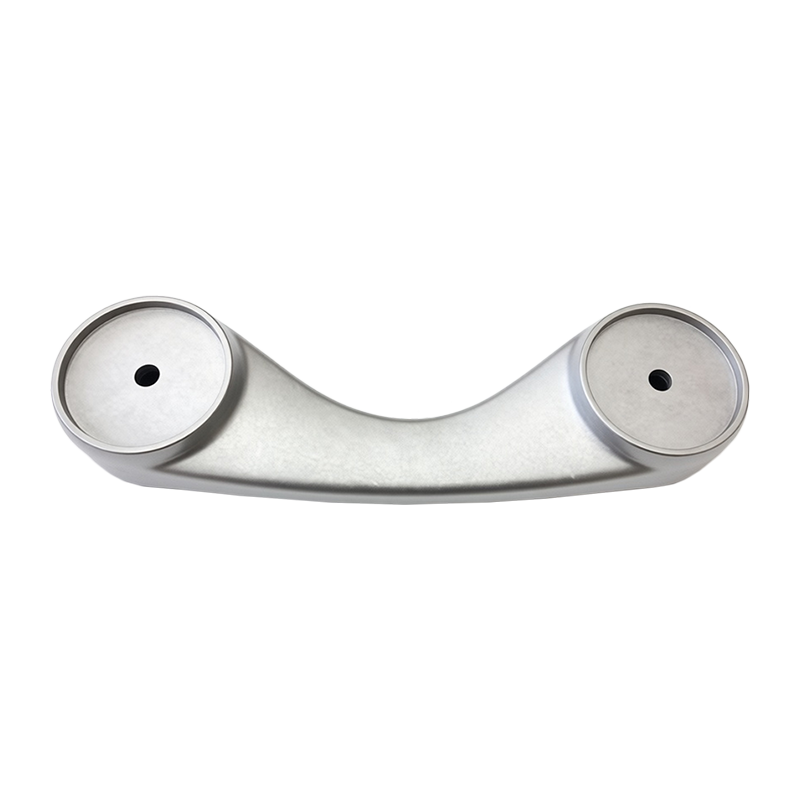
A 180 g aluminum housing with 1.8 mm walls and a ±0.10 mm bearing bore is quoted in the same week as a 12 g stainless s...
READ MORE
Content
A buyer often arrives at this comparison with two very different parts in mind. One is a small, intricate stainless steel latch or sensor component that must fit precisely into an assembly. The other is an aluminum housing, bracket, or structural frame that needs to be strong, thin-walled, and produced in large numbers. Both can be called “metal parts,” but they do not belong in the same process discussion by default.
The practical answer is this: metal injection molding, or MIM, is usually the better route for small, complex, high-precision parts made from ferrous and specialty alloys. Die casting is usually the better route for larger aluminum, zinc, or magnesium housings and structural components with moderate tolerances and short cycle times. The rest of the decision comes down to material, size, wall thickness, tooling budget, finishing needs, and how much secondary machining you want to avoid.
MIM begins with a feedstock made from fine metal powder and a polymer binder. That feedstock is injected into a mold, much like plastic injection molding. The resulting “green” part is then debonded and sintered at high temperature so the metal particles fuse into a dense solid. The sintering step causes predictable shrinkage, so the mold is designed to compensate. The process is not simply “casting with powder”; it is a sequence of injection, debinding, and sintering that must be controlled together.
Die casting starts with molten metal. A hardened steel die is filled under high pressure, the metal solidifies quickly, and the die opens to eject the part. Aluminum is the most common alloy in this discussion, followed by zinc and magnesium. Because the die is expensive and the cycle is fast, die casting rewards repeatable designs and higher volumes. It also handles larger parts and thinner walls than MIM can normally justify.
One common misunderstanding is that die casting can do everything MIM does, only faster. In practice, die casting is not a normal route for stainless steel and many high-temperature alloys because the molten metal temperature shortens die life and creates tooling problems. MIM fills that gap. Another misunderstanding is that MIM is only for tiny decorative pieces. It can produce functional parts, but the economic window is usually small parts with complex geometry and tight tolerances.
The table below is a practical screening tool, not a specification. Real tolerances and costs depend on alloy, geometry, tool design, inspection plan, and supplier capability.
| Factor | Metal injection molding | Die casting |
|---|---|---|
| Feedstock | Fine metal powder mixed with binder | Molten alloy |
| Typical metals | Stainless steel, low-alloy steel, iron, copper, tungsten, titanium | Aluminum, zinc, magnesium, some copper alloys |
| Part size | Usually small, often under 100 g, with some larger exceptions | Small to large, from hand-sized housings to multi-kilogram structural parts |
| Wall thickness | Thin walls possible, but sintering distortion must be controlled | Thin walls feasible in aluminum; design must respect fill and ejection |
| Tolerance | Often tighter for small features; may need fewer machining operations | Good for general dimensions; critical features often need machining |
| Tooling | Usually lower die cost than die casting for small parts, but process control is complex | High die cost; die life and thermal management are major considerations |
| Cycle | Injection is fast, but debinding and sintering add batch time | Fast cycle; part is solid soon after ejection |
| Common parts | Small gears, latches, sensor housings, medical components, firearm parts | Engine housings, controller boxes, battery trays, brackets, structural frames |
MIM has a strong material advantage in stainless steels, low-alloy steels, and other alloys that are difficult or uneconomical to die cast. If the part needs corrosion resistance, wear resistance, or a specific magnetic response, MIM may be the only practical high-volume route among these two. The trade-off is feedstock cost and a longer process chain. MIM is also less forgiving on very large parts because the binder must be removed evenly and the sintering furnace must hold consistent temperature across the part.
Die casting wins on size and shape freedom in aluminum. A well-designed aluminum housing can integrate bosses, ribs, mounting pads, and cooling features in one part. The process is well suited to automotive and industrial enclosures because the alloy is easy to melt, fills a die quickly, and accepts a range of surface treatments. Zinc die casting offers excellent dimensional stability and thin-wall capability for smaller decorative or mechanical parts, while magnesium is used where weight reduction matters.
If your part is a small steel component, comparing it with aluminum die casting is often a false choice. If your part is a large aluminum housing, MIM is usually the wrong starting point. The material and size screen should happen before any detailed cost comparison.
MIM is often chosen when a small part needs to arrive close to final shape. Tight tolerances on small features, complex internal geometry, and repeatable surface detail can reduce machining. That does not mean MIM is always ready to use. As-sintered surfaces are typically matte, and some features may still need coining, grinding, or polishing. The total cost should include any secondary operations and inspection, not just the molded part price.
Die casting delivers good surface finish from the die, but flash, ejector marks, and parting lines are normal. Critical sealing faces, bearing bores, and precision mounting holes often require machining. Porosity is another consideration. A well-controlled die casting process can manage it, but a buyer should ask how porosity is evaluated and whether pressure-tightness is required. For cosmetic parts, powder coating or painting may hide small surface variation; for functional parts, machining and leak testing may be necessary.
Die casting tooling is a capital decision. A hardened steel die can cost significantly more than a small MIM mold, but the die can produce large parts at short cycle times. The break-even point depends on annual volume, part size, alloy cost, and how much machining is eliminated. A low-volume die casting project can be difficult to justify if the design is still changing, because die modifications are costly and can affect die life.
MIM tooling is often less expensive than a comparable die-casting die for a small part, but the process carries feedstock, debinding, sintering, and furnace loading costs. MIM is usually most attractive at high volume with a stable design. For a low-volume run, machining or another process may be more sensible. For a high-volume small part with complex geometry, MIM can remove several machining steps and still be competitive.
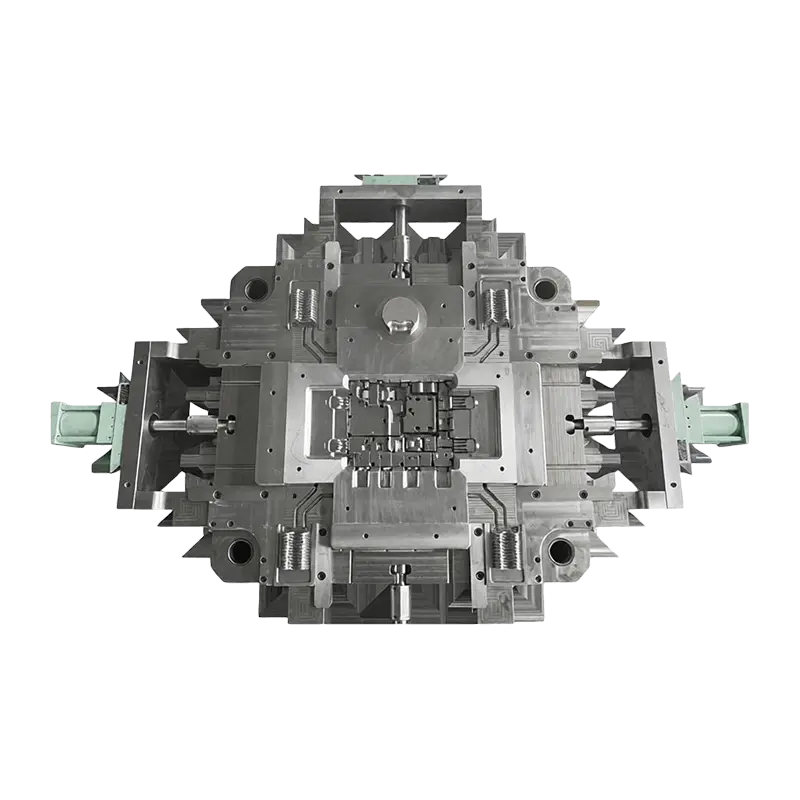
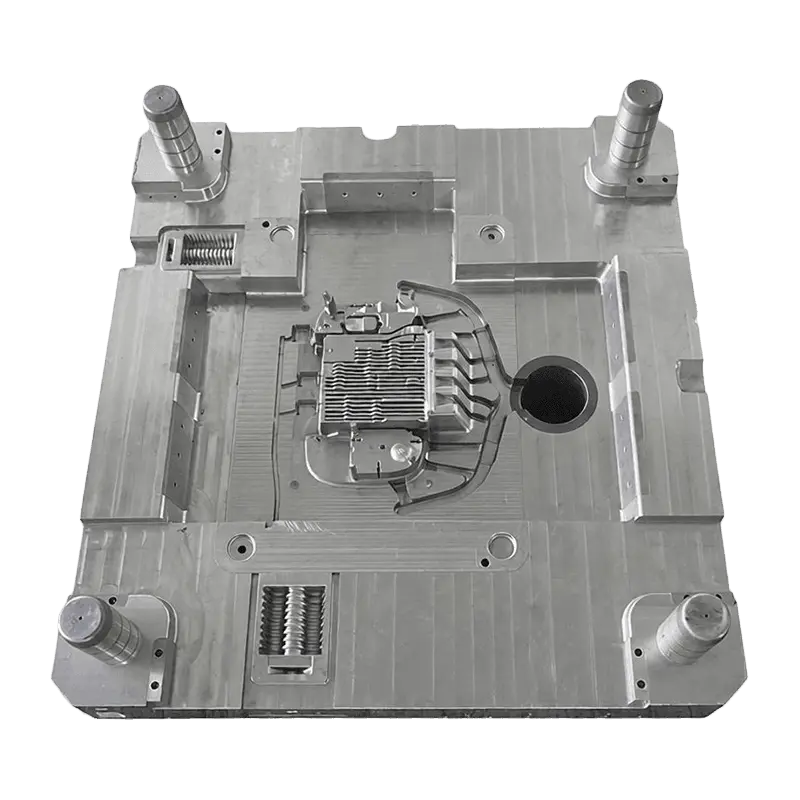
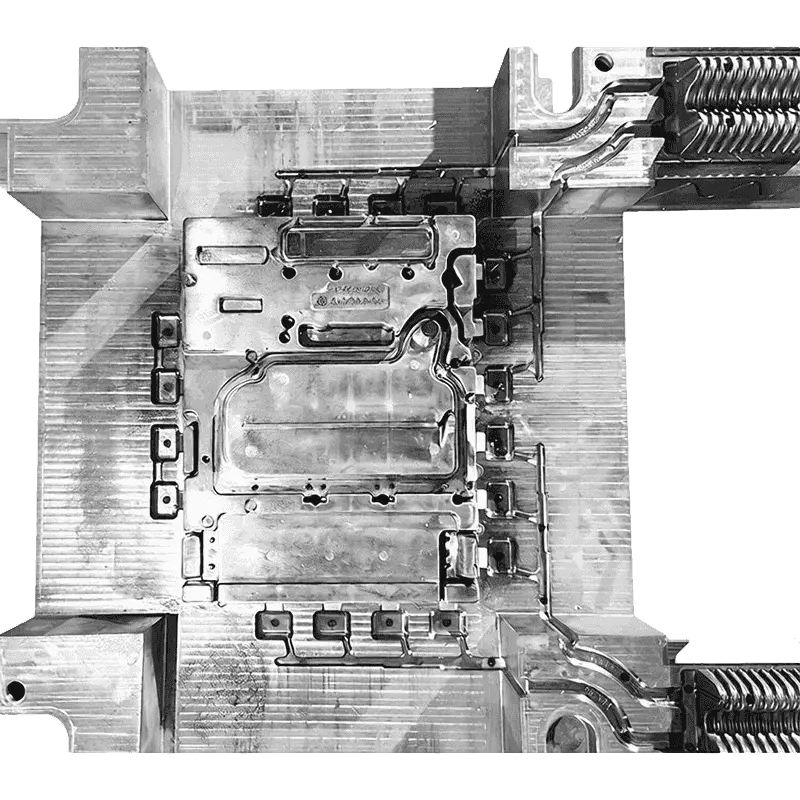
Tooling also affects how die casting molds shape parts and how quickly a supplier can respond to design changes. A die cast housing may need a robust die with slides, cooling channels, and a well-planned ejection system. A MIM mold must account for shrinkage during sintering and for gate placement that avoids binder-related defects. In both cases, the lowest tooling quote is not automatically the lowest total cost.
For die casting, the main design conversation is about fill, solidification, and ejection. Uniform wall thickness helps. Sharp corners should be avoided. Ribs and bosses need draft and adequate radius. Deep pockets may require slides. The supplier should run a filling and solidification simulation before cutting steel, especially for structural or pressure-tight parts. Porosity, cold shuts, and shrinkage cracks are easier to prevent in the design phase than to fix after the die is built.
For MIM, the main risks are related to feedstock, binder removal, and sintering. Thick sections can be difficult to debind evenly. Large flat areas may warp. Gate location affects flow and final density. The sintering shrinkage must be predictable across the lot, not just in the first sample. A capable MIM supplier will discuss how it controls powder lot variation, debinding cycles, furnace atmosphere, and dimensional inspection.
Die casting is usually the better fit when the part is a housing, cover, bracket, frame, or structural component in aluminum, zinc, or magnesium. It is also the better fit when the part is large enough that MIM would be uneconomical, when thin walls are needed over a large area, or when the design benefits from integrated mounting features. Automotive controllers, motor housings, battery trays, and body structures are typical examples because they combine size, stiffness, and production volume.
For a new energy vehicle battery enclosure, the die caster must think about much more than filling a cavity. The part may need sealing surfaces, crash load paths, inserts, and machining allowances. A supplier that also builds the mold can often catch those requirements earlier. That is the logic behind an integrated mold-and-part supply chain: the tool design and the casting process are developed together rather than handed off between separate vendors.
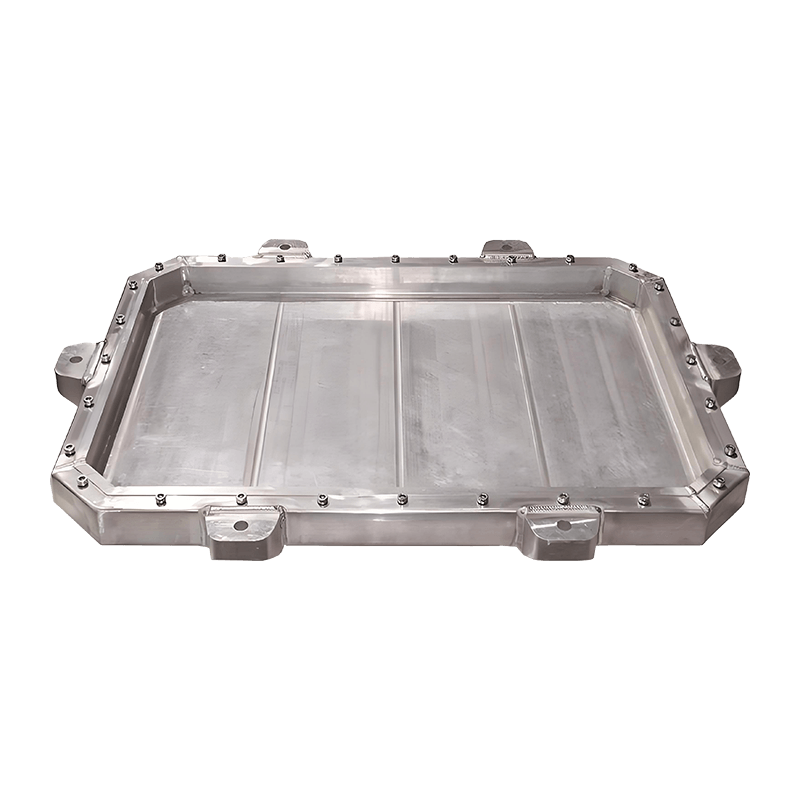 OEM Die-Cast Battery Tray for New Energy VehiclesCustom die-cast battery tray for NEV battery systems, supporting module protection and lightweight integrated-casting development; view for early mold and casting alignment.View Product →
Structural parts raise a similar point. A longitudinal beam or shock tower is not a commodity casting. It needs a stable die, controlled filling, and a clear plan for inspection and machining. Buyers should ask whether the supplier has experience with the alloy, wall thickness, and structural performance requirements, not only whether the supplier has a press large enough.
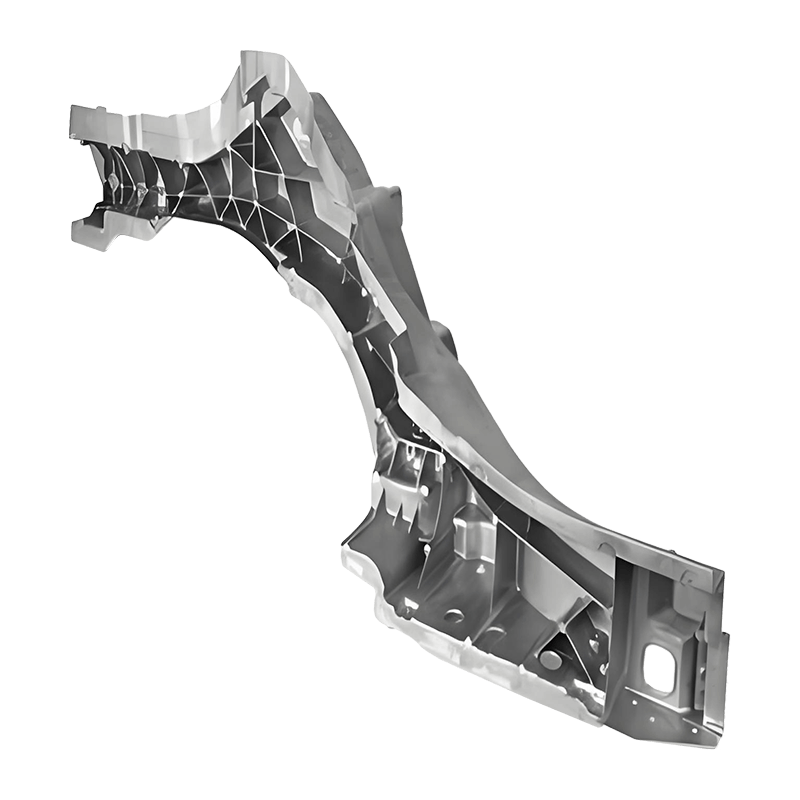 OEM Die-Cast Automotive Longitudinal BeamStructural body-skeleton beam for crash-energy absorption and passenger protection, offered with integrated mold design, die casting, finishing and IATF16949/ISO9001 quality control.View Product →
MIM is worth considering when the part is small, geometrically complex, and made from a material that die casting cannot handle well. It is also worth considering when tight tolerances and repeatable small features can eliminate machining. Typical candidates include small gears, cams, latches, lock components, sensor housings, orthodontic brackets, surgical instruments, and firearm parts. The common thread is a part that would otherwise be machined from bar stock or produced through a longer multi-step route.
The decision should not be based on “MIM is more precise” as a slogan. It should be based on whether the specific tolerances, material, and volume justify the MIM process chain. Ask for a tolerance stack on the actual part, not a generic brochure claim. Ask how sintering distortion is controlled. Ask whether the supplier can inspect the features that matter after sintering, not only after machining.
Before sending a drawing, clarify the following points with both types of suppliers:
For die casting, also ask about die life, thermal management, and whether filling simulation is part of the tool design. For MIM, ask about powder sourcing, debinding capacity, sintering furnace control, and lot-to-lot dimensional capability. A supplier that answers these questions with process data is usually a better partner than one that answers only with a price.
If you are comparing quotes, normalize them. Add machining, finishing, inspection, freight, and packaging to the piece price. A die casting quote that looks attractive may require significant machining, while a MIM quote may already include features that would otherwise be cut later. The lowest piece price is not the same as the lowest landed cost.
Choose die casting for larger aluminum, zinc, or magnesium housings and structural parts where fast cycles, integrated features, and moderate tolerances matter. Choose MIM for small, complex, high-precision parts in stainless steel and other alloys that die casting cannot handle economically. If the part sits between those two worlds, test the assumptions with a tooling review, a tolerance review, and a volume analysis before committing to steel.
You can review how die casting molds shape parts and where machining allowances matter, or discuss your part and tooling plan with a supplier that builds both molds and castings. The right process is the one that meets the drawing, the volume, and the total cost target without hiding risk in the tooling or the secondary operations.
See how die casting molds shape parts and discuss your part and tooling plan with the team.
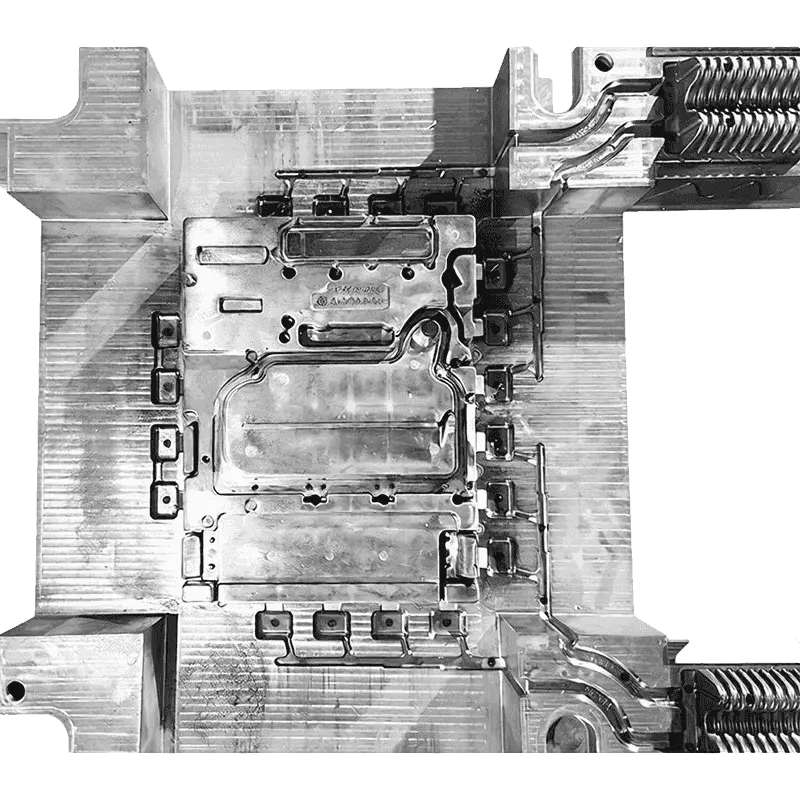 OEM Die-Casting Mold for Automotive Controller HousingsCustom mold for producing automotive controller housings, a core vehicle control component; suitable for discussing part and tooling plans with the die-casting team.View Product →
A 180 g aluminum housing with 1.8 mm walls and a ±0.10 mm bearing bore is quoted in the same week as a 12 g stainless s...
READ MOREBefore a part ever reaches production, every buyer eventually asks the same question: should this component be injectio...
READ MOREA 12-week die casting mold build can look competitive on quote and still become the expensive option if the first trial...
READ MOREDie casting automotive parts are made by forcing molten metal into a steel mold under high pressure, where it fills t...
READ MORE

Sun Yuejun: +86-13806631860
Wang Shiyong: +86-15958891460 / 15058297768
Dove Yao: +86-18625086675


Copyright © Ningbo Dinghong Mould Co., Ltd. Rights Reserved. Custom Precision Die Casting Aluminum Alloy Parts Manufacturers
