Die Casting New Energy Parts Manufacturer for EV and Energy Programs
Ningbo Dinghong Mould Co., Ltd. is a China-based Die Casting New Energy Parts Manufacturer producing aluminum alloy housings, covers and structural components for new energy vehicles, energy storage and charging equipment. Our work covers mold design, die casting, precision finishing and inspection under one roof.
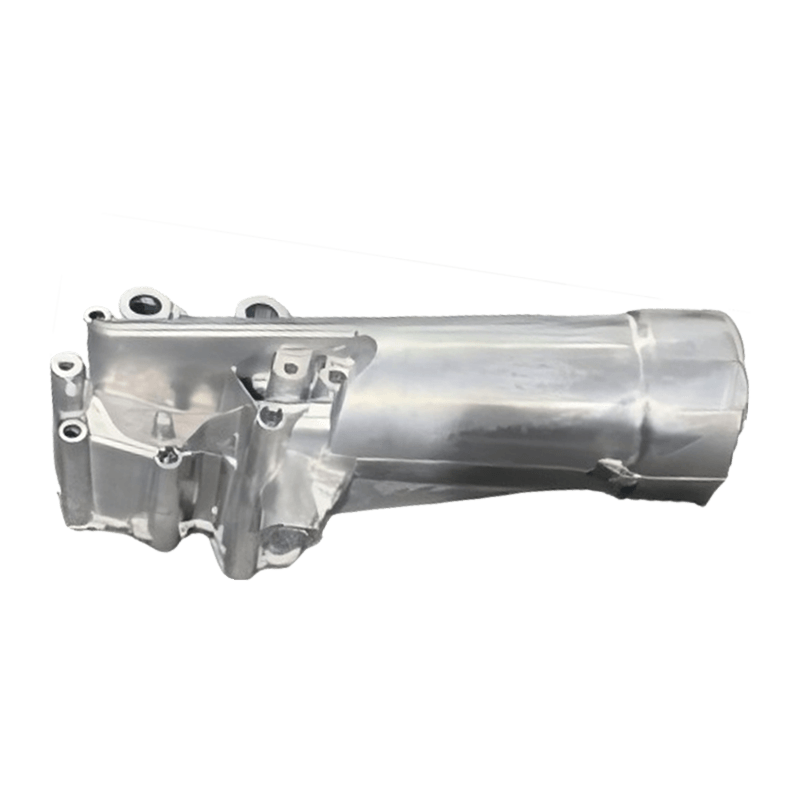
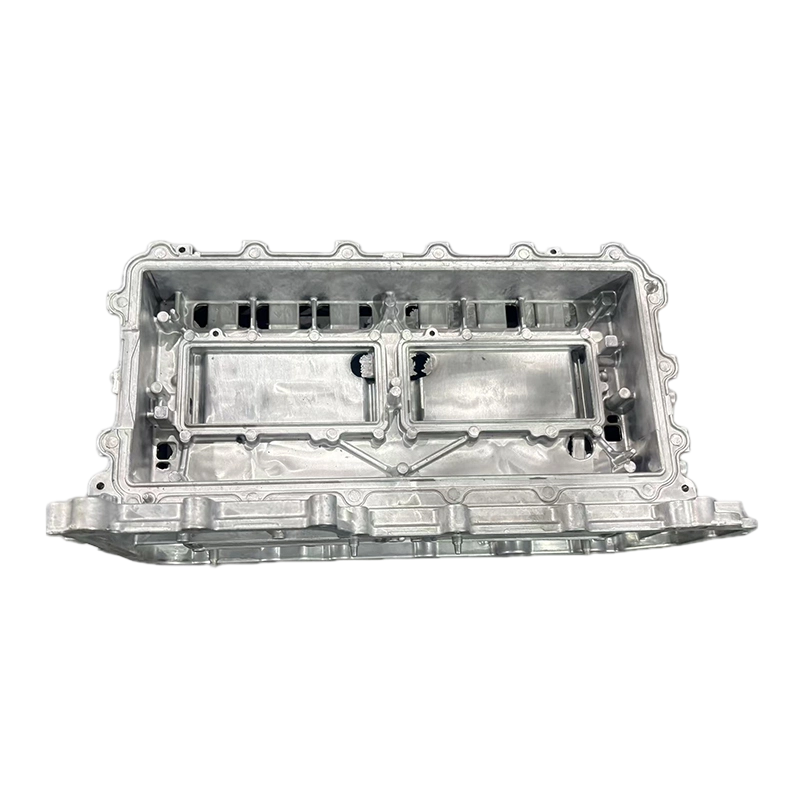
The range serves programs where weight, sealing, dimensional stability and batch consistency matter: controller housings, reducer housings, front housings, cylinder heads and related castings. We quote from the working point, material, machining scope and production target rather than from a catalog number.
What We Supply in This Category
Our new energy die casting range is built around aluminum alloy parts that carry loads, seal fluids or locate rotating components. Typical parts include motor and controller housings, reducer and gear housings, front covers, cylinder heads and mounting structures. Each part is developed as a mold project first, then transferred to die casting and finishing.
Because we also build the tooling, we control the interface between casting geometry and machining datum. That matters on housings where a bearing bore, a sealing face and a mounting pattern must stay aligned through the full production run.
Our Available Range and Application Fit
The categories below are the product families we manufacture. They share the same mold, die casting and finishing chain, but each addresses a different function on the vehicle or equipment.
| Product Family |
Typical Parts |
Application Fit |
| Die Casting New Energy Vehicle Three-Electric Parts |
Controller housings, motor housings, reducer housings |
Battery, motor and electronic control assemblies requiring sealing and heat paths |
| Die Casting Photovoltaic, Energy Storage And Charging Parts |
Inverter housings, energy storage plates, charging enclosures |
Outdoor and indoor power conversion equipment with thermal and IP requirements |
| Die Casting Structural Parts |
Shock absorber towers, body mounting nodes |
Chassis and body structures where stiffness and fatigue life govern design |
| Die Casting Fuel Automotive Parts |
Clutch housings, bearing plates, hybrid housings |
Conventional and hybrid driveline components sharing the same casting platform |
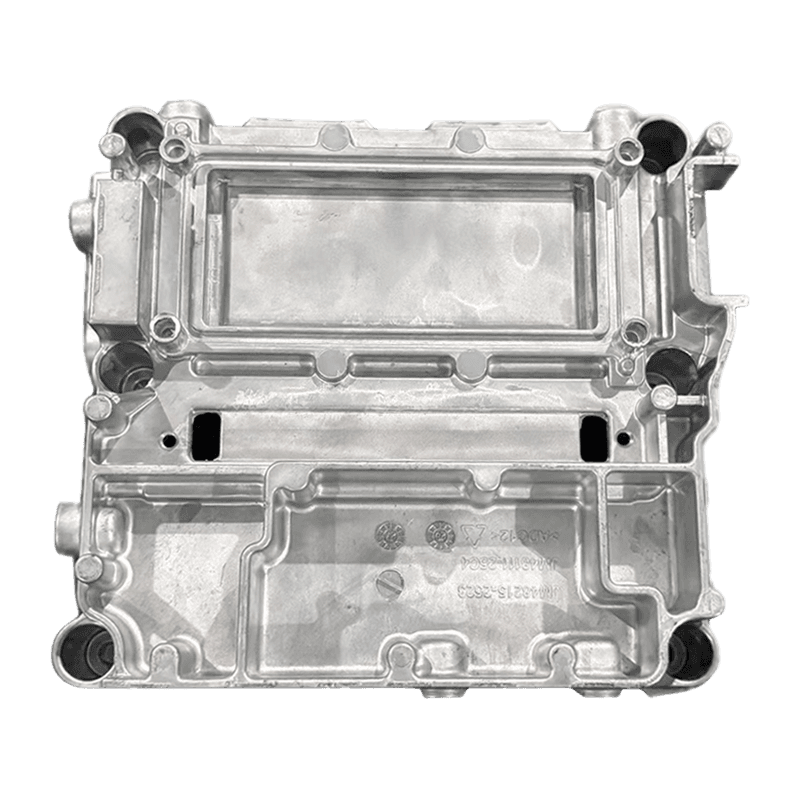
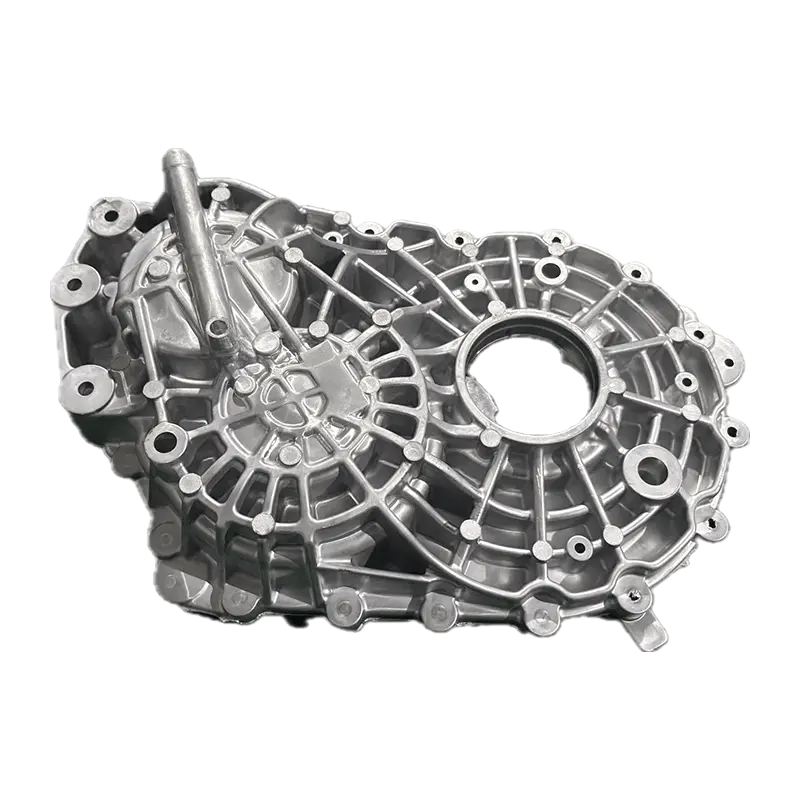
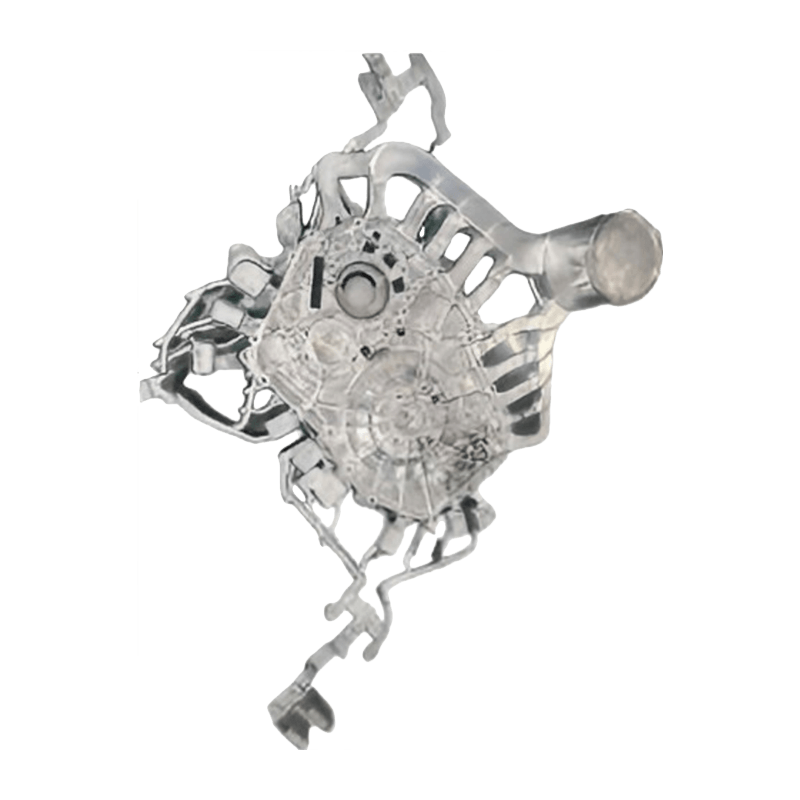
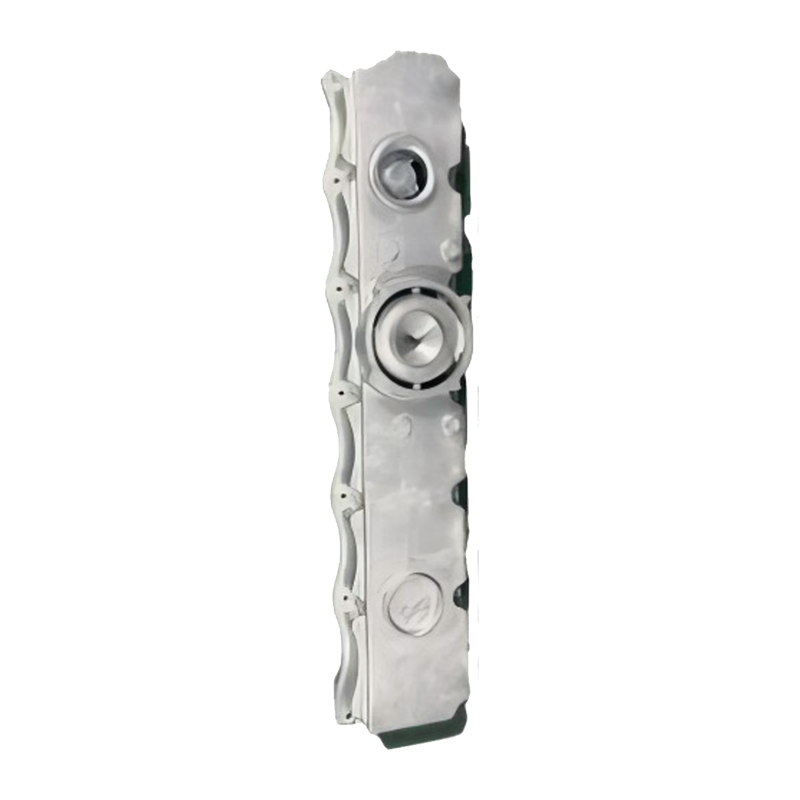
Parts we have produced in this family include the AHC065-8215 & 8111 housing, the F01R402N7501 reducer housing, a Volkswagen front housing, the D08 housing and the HT30 two-wheel drive controller housing. These are reference points for geometry, wall thickness and sealing strategy, not fixed catalog items.
Material and Design Considerations
New energy housings are usually specified in aluminum alloy selected for castability, strength and thermal conductivity. The alloy choice interacts with wall thickness, rib layout and the machining allowance left on sealing faces and bearing bores.
- Wall thickness and ribs: balanced to control filling, shrinkage and stiffness without adding mass.
- Sealing faces: flatness and surface condition defined against the gasket or sealant system used at assembly.
- Bearing bores: roundness, coaxiality and surface finish tied to the shaft and bearing fit.
- Thermal paths: cooling ribs and internal passages considered at the mold flow stage, not after trial.
- Fastening interfaces: boss height, thread depth and mounting pattern checked against the mating part.
Critical Specifications We Work To
Specifications are confirmed per part, but the following variables drive most new energy die casting projects. We review them during technical negotiation and lock them into the quality plan before tooling starts.
| Specification Area |
What We Confirm |
| Dimensional accuracy |
Datum scheme, critical dimensions, GD&T callouts and inspection method |
| Internal quality |
Porosity acceptance level, X-ray or sectioning requirement, leak test pressure |
| Surface and finish |
As-cast condition, machining finish, coating or passivation scope |
| Capacity and throughput |
Annual volume, batch size, mold cavitation and machine tonnage |
| Traceability |
Batch identification, material certificates and inspection records |
Engineering and Mold Flow Support
Our design team uses CAD/CAE/CAM software and mold flow analysis to visualize filling, cooling and stress distribution before a mold is cut. This early simulation lets us adjust gate position, runner design and cooling layout while changes are still inexpensive.
The technical process runs from marketing information and technical negotiation through preliminary design, mold flow analysis, structural design review, 2D drawings and 3D modeling, then into manufacturing. Each stage carries a client confirmation point, so the design that reaches the machine shop is the design the customer approved.
Manufacturing, Finishing and Quality Control
Our facility is equipped with high-precision CNC machining centers, large-scale EDM equipment, full-tonnage die-casting machines and automated trimming lines. The manufacturing route covers six-face machining, hole machining, NC rough and fine machining, heat treatment, wire cutting, EDM, polishing, assembly and storage, with CMM checks at the machining stages.
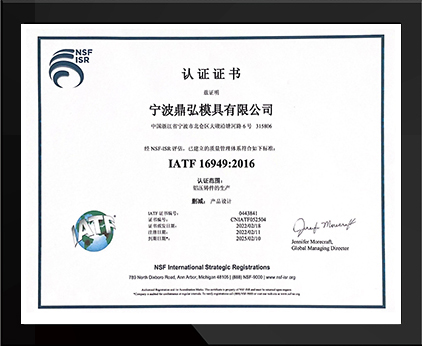
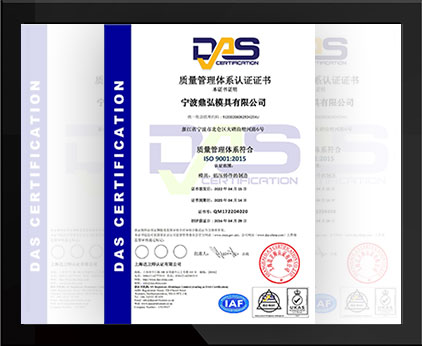
Quality control follows a documented plan: incoming material inspection with metallographic analysis, in-process checks on standard and outsourced components, assembly check, mold trial with wall thickness and full dimension verification, and a final check before delivery. Inspection equipment includes CMM, X-ray flaw detection and spectrometry, with data recorded per batch. We have held ISO 9001 and IATF 16949 certification since 2017.
Information We Use to Configure Your Solution
To prepare a mold and die casting proposal for a new energy part, we work from the following inputs. Where a drawing is not final, we can start from a 3D model and the functional requirements.
- 3D model and 2D drawing with datum and tolerance scheme
- Material grade and any heat treatment or coating requirement
- Annual volume, batch size and expected program life
- Machining scope: as-cast, partial machining or finished part
- Sealing, leak test and internal quality acceptance criteria
- Mating components and interface dimensions
- Packaging, marking and delivery destination
Project Support, Documentation and Delivery
We provide service from part design and tool development through tool building and parts production. Project teams handle technical negotiation, design confirmation and production follow-up, with remote technical support and digital data sharing for overseas customers. For major projects, on-site engineering support can be arranged.
Delivery documentation typically includes inspection reports, material records and mold trial samples. Our location near Beilun Port supports efficient export logistics to customers in China, South America, Southeast Asia and the EU. Spare parts, wear components and maintenance guidance are handled through the same project contact.
Frequently Asked Questions
Which new energy parts can Dinghong Mould die cast?
We produce aluminum alloy housings, covers and structural parts for new energy applications, including controller housings, reducer housings, front housings, cylinder heads and energy storage or charging enclosures. Parts are developed as custom projects from a drawing or 3D model.
Do you build the die casting mold as well as the parts?
Yes. Mold design, mold manufacturing, die casting, precision finishing and inspection are integrated in our facility. This lets us control the relationship between casting geometry and machining datum from the first trial.
How do you control porosity and internal quality in housings?
We define porosity acceptance levels during technical negotiation, use mold flow analysis to reduce shrinkage risk, and verify internal quality with X-ray flaw detection or sectioning where the application requires it. Leak test criteria are agreed per part.
What quality certifications does the company hold?
Ningbo Dinghong Mould Co., Ltd. has held ISO 9001 and IATF 16949 quality management system certification since 2017, supported by incoming, in-process and outgoing inspection with recorded data.
What information is needed for a quotation?
Send the 3D model and 2D drawing, material grade, annual volume, machining scope, sealing or leak test requirements and delivery destination. With those inputs we can confirm the mold concept, casting route and finishing scope.


 English
 Español
 русский
 Français