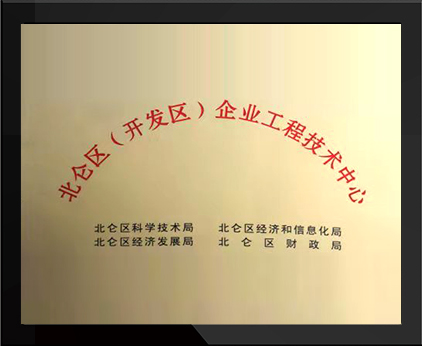
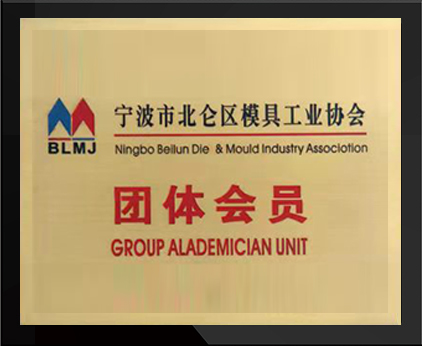
Ningbo Dinghong Mould Co., Ltd. designs and builds aluminum and magnesium high-pressure die casting molds at our 20 mu facility in the high-end mold park of Beilun District, Ningbo, next to Beilun Port. Yuejin Mould, our predecessor, began in 1998, and we have served automotive OEMs and tier suppliers since entering Yinlun Group's supplier system in 2017 and CATL's in 2021.
Our Die Casting Molds Manufacturer scope covers tool design, mold flow simulation, tool building, die casting, precision finishing and export, so a single project team carries the part from 3D data to a validated casting.
What We Build in This Category
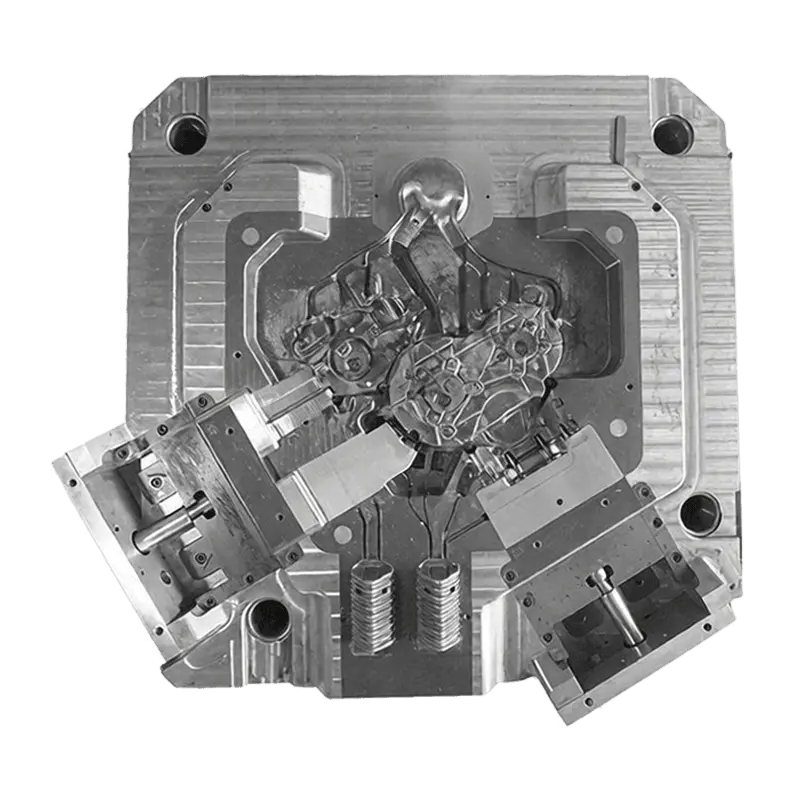
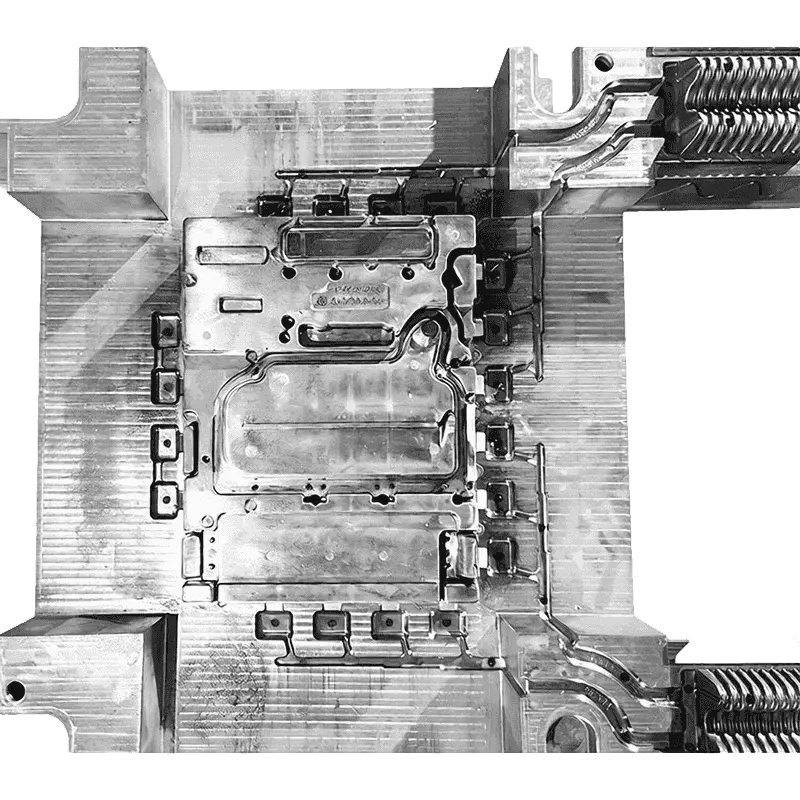
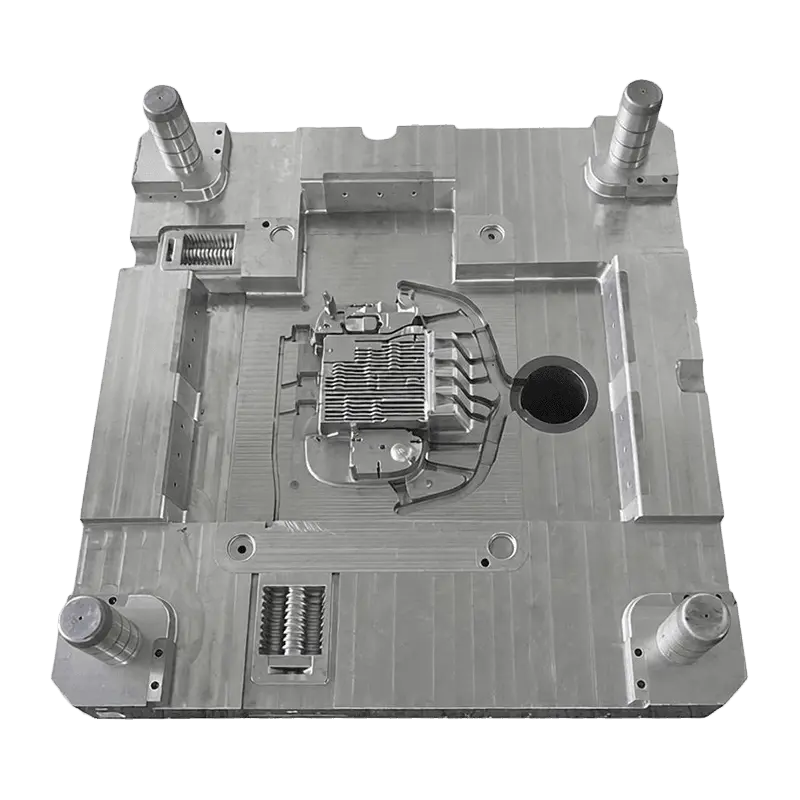
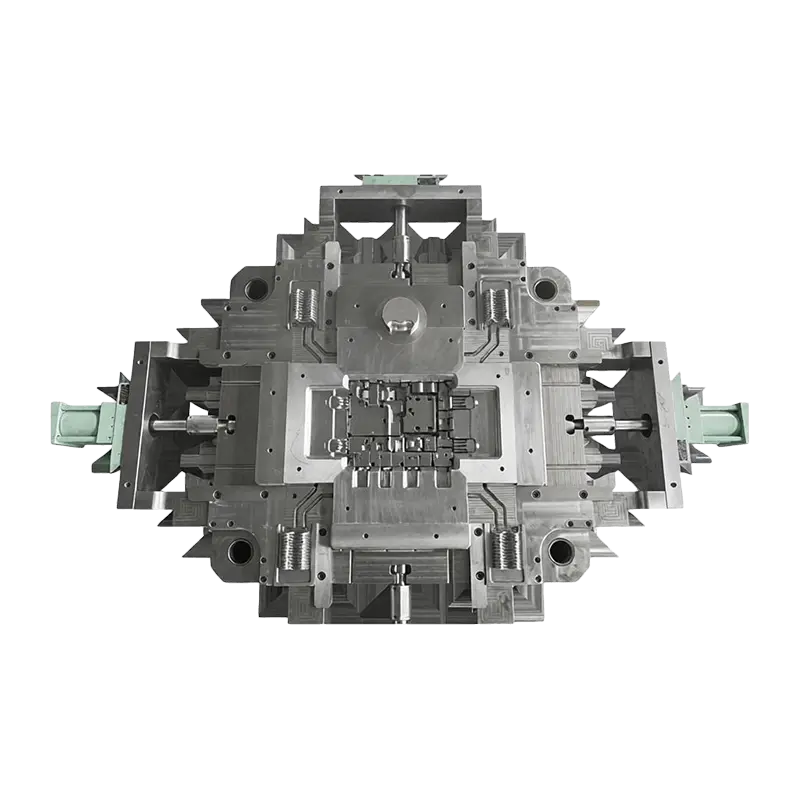
We manufacture high-pressure die casting molds for aluminum alloy components, with tooling sized to the casting machine, the part envelope and the annual volume you plan to run. Our mold range is organized around the part families we already produce, which shortens the design review because the gating, cooling and ejection logic is familiar.
- Automotive and fuel vehicle molds — gear chamber, clutch housing, controller housing and 4WD main housing tools.
- New energy and three-electric molds — reducer housings, motor housings and controller housings for MCU and VCU units.
- Structural molds — shock absorber towers and similar load-bearing castings.
- Telecom, electrical and appliance molds — housings, brackets and enclosures with sealing and heat-dissipation features.
- Pump, valve, motorcycle, fitness, robot and PV/energy-storage molds — produced to the same tooling standard as our automotive work.
Range and Application Fit
The table below maps our mold families to the castings they produce and the design points we focus on during tooling review. Use it to identify where your part sits before we open the technical discussion.
| Mold family |
Typical castings |
Design focus |
| Automotive gear chamber and clutch housing |
Gear chamber, 4D25 clutch housing |
Bearing bore accuracy, rib stiffness, sealing faces |
| Controller housing |
Automotive, NIO and Evergrande 6.6KW controller housings |
Sealing protection, mounting-interface stability, heat dissipation |
| New energy reducer and motor housing |
F01R402N7501 reducer housing, 160S super hybrid housing |
Thickened bearing seats, dense ribs, dimensional retention |
| Structural and chassis |
Lotus shock absorber tower, HT30 4WD main housing |
Unibody molding, fatigue resistance, wall-thickness control |
| Telecom, electrical and appliance |
Enclosures, baking trays, filter handles |
Surface finish, flatness, insert and thread features |
| Robot, fitness and PV/energy storage |
Robot dog parts, energy storage plates |
Lightweight sections, repeatable geometry, batch consistency |
Engineering Value: Simulation Before Steel Is Cut
Our design team works in CAD/CAE/CAM and uses mold flow analysis to visualize filling, cooling and stress distribution before the tool is manufactured. That review lets us adjust gate position, runner layout, cooling channels and venting while changes are still inexpensive, and it gives your project team a documented basis for approving the design.
The technical process we follow runs from marketing information and technical negotiation through preliminary design, mold flow analysis, structural design review, 2D drawings and 3D modeling, with client confirmation at each gate. Manufacturing then proceeds through six-face machining, hole machining, NC roughing, heat treatment, NC finishing, wire cutting, EDM, polishing, inspection and assembly.
Materials, Specifications and Machine Fit
We build tooling for aluminum alloy die casting, and our own die casting workshop runs full-tonnage machines with automated trimming lines. When we quote a mold, the machine interface matters as much as the part drawing.
- Part envelope and projected area — determines clamping force, die size and machine selection.
- Wall thickness and rib geometry — drives fill pattern, cooling layout and cycle time.
- Tolerances and datum scheme — defines cavity and core machining allowances and inspection plan.
- Slide, lifter and insert requirements — set by undercuts, threads and sealing grooves.
- Ejection and thermal layout — matched to the casting's stiffness and surface requirements.
Quality Control and Acceptance
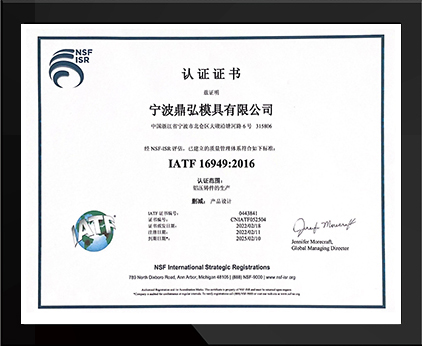
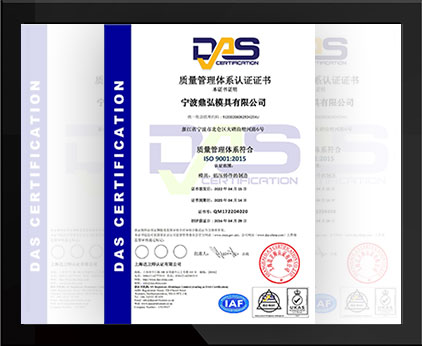
We have held ISO 9001 and IATF 16949 certification since 2017, and our quality plan covers incoming material, in-process checks and outgoing inspection. Raw mold materials are checked dimensionally and by metallographic analysis, and standard and outsourced components are verified before assembly.
After assembly we run a mold trial, then check sample wall thickness and the full sample dimension set before delivery. Inspection equipment includes CMM, X-ray flaw detection and spectrometry, with data recorded per batch. Acceptance criteria are agreed with you at the design stage, so the trial report answers the drawing rather than a generic checklist.
From Tooling to Finished Castings
Because we also run die casting, finishing and trade, a mold project can continue directly into production of the parts it was built for. That matters for programs where the tool and the delivered casting must be validated together.
Our Die Casting Parts range covers fuel automotive, new energy, structural, three-electric, motorcycle, pump and valve, fitness, telecom, PV and energy storage, electrical, robot and other aluminum alloy components. Representative programs include the F01R402N7501 Die casting Reducer housing and the Lotus Shock Absorber Tower.
Information We Use to Configure Your Solution
To prepare a mold proposal we need the part definition and the production intent. The list below is what our engineering team reviews before quoting.
- 3D part model and 2D drawing with tolerances, datums and surface requirements
- Material grade and any heat-treatment or impregnation requirement
- Target annual volume, batch size and expected mold life
- Available die casting machine tonnage and tie-bar spacing, if tooling is for your plant
- Machining allowance, inserts, threads and post-casting operations
- Inspection and acceptance requirements, including PPAP or first-article expectations
- Packaging, shipping terms and destination port
Project Support, Maintenance and Delivery
Each project is assigned a project team at launch, with a single contact for design confirmation, progress reporting and trial scheduling. We support remote technical review through video conferencing and digital data sharing, and on-site engineering support for major projects when required.
Molds are delivered with the documentation agreed at kickoff, and we keep spare-part and maintenance discussions open from the design stage so wear items can be planned rather than discovered. Our location beside Beilun Port supports efficient logistics for tooling and castings moving to customers in China, South America, Southeast Asia and the EU.
Frequently Asked Questions
What part sizes and volumes can your die casting molds handle?
We build tooling for the automotive, new energy, telecom, appliance and industrial castings in our range, from controller housings to 4WD main housings and shock absorber towers. Machine selection follows the part envelope, projected area and required clamping force, and we match the tool to your annual volume and expected mold life.
Do you provide mold flow analysis before manufacturing?
Yes. Our design team uses mold flow analysis to simulate filling, cooling and stress distribution, and we review the results with you before structural design is finalized. This step identifies potential defects and confirms gating, cooling and venting while changes are still low-cost.
Can you build molds for our existing die casting machines?
We can. Provide the machine tonnage, tie-bar spacing, platen dimensions and ejector pattern, and we design the mold base and interface to suit. If tooling is for our own workshop, we select the machine from the same data.
What quality documentation accompanies a mold?
Our quality plan covers raw material inspection with metallographic analysis, in-process checks, assembly check, mold trial with wall-thickness and full-dimension sample checks, and a pre-delivery check. Inspection uses CMM, X-ray flaw detection and spectrometry, with records kept per batch.
Can you supply the castings as well as the mold?
Yes. We integrate mold design, manufacturing, die casting, finishing and trade, so a tooling project can move into serial production of the aluminum alloy parts it was built for, with the same quality system covering both stages.
How do we start a die casting mold project with Dinghong?
Send the 3D model, 2D drawing, material, target volume and machine data. Our engineering team reviews the part, runs the technical negotiation and returns a design proposal with mold flow findings and a quotation basis for your confirmation.


 English
 Español
 русский
 Français