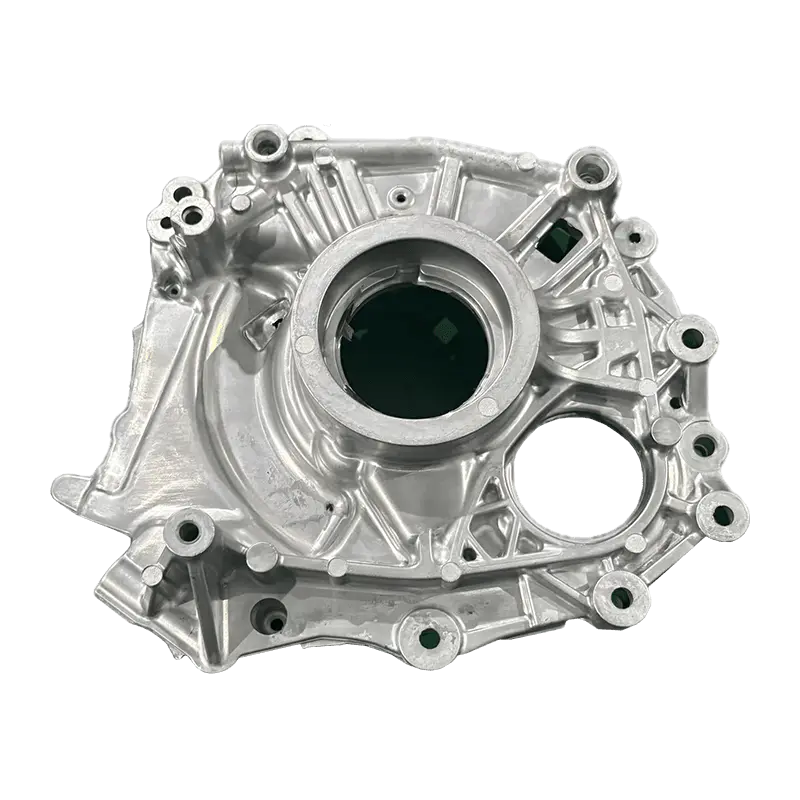
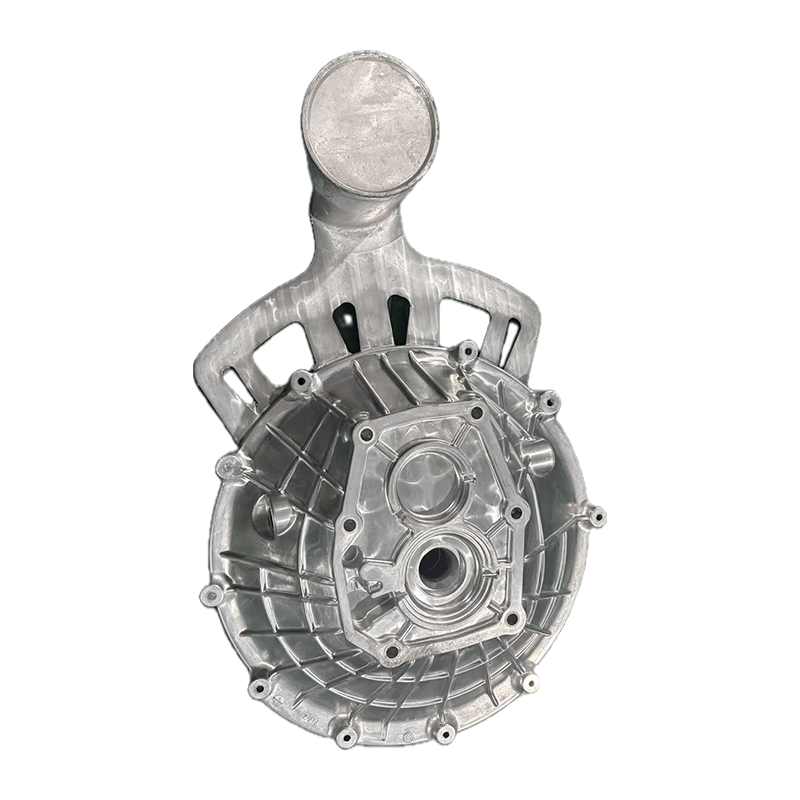
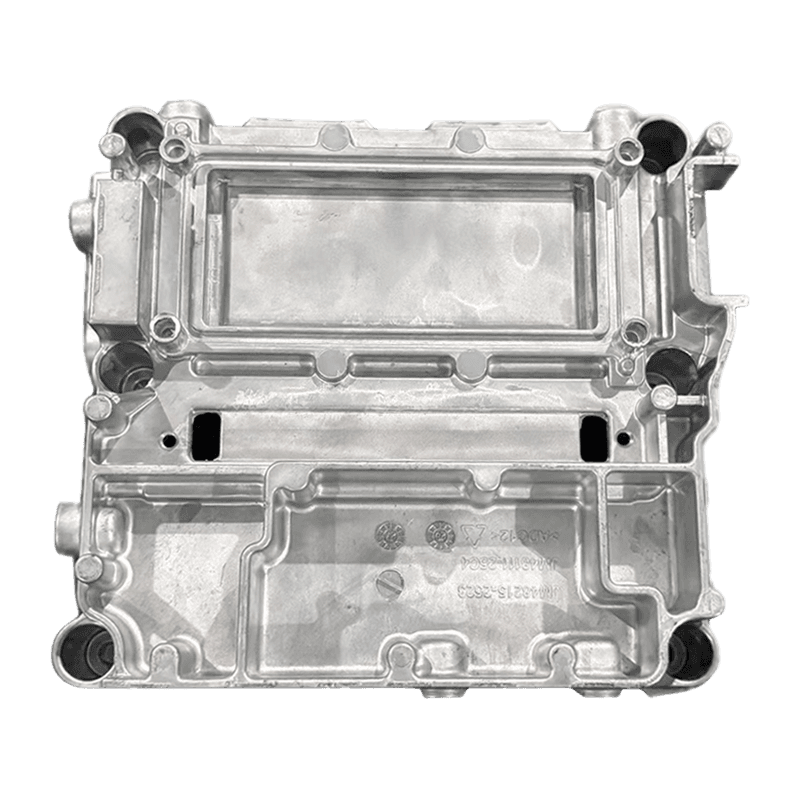
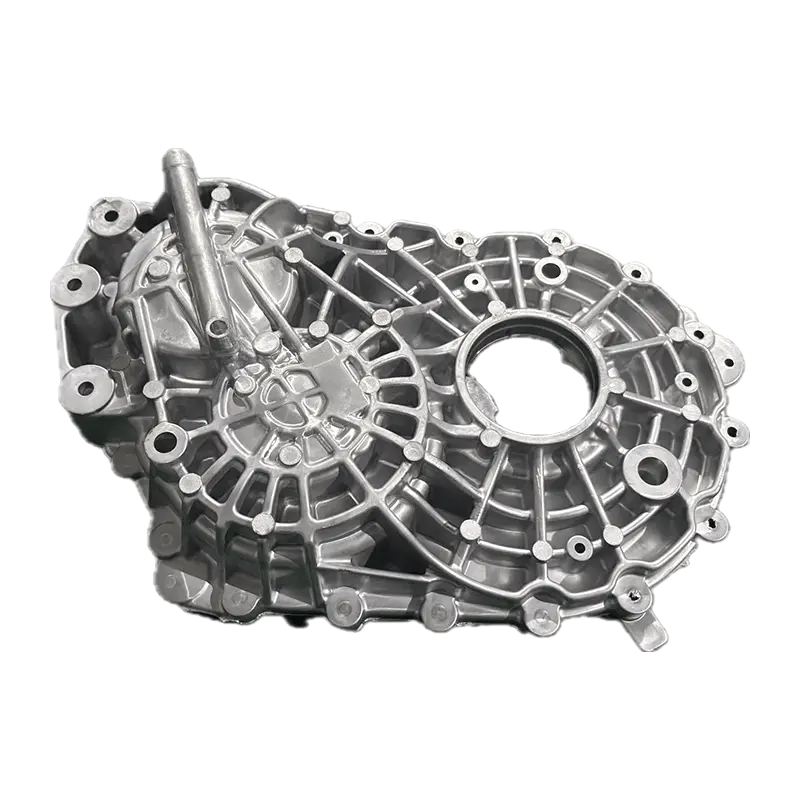
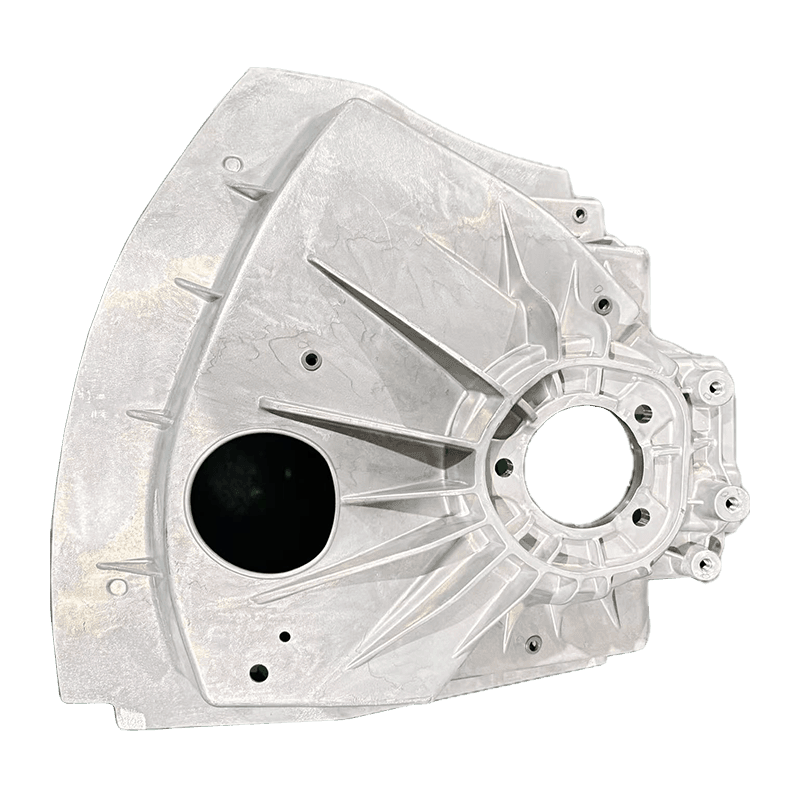
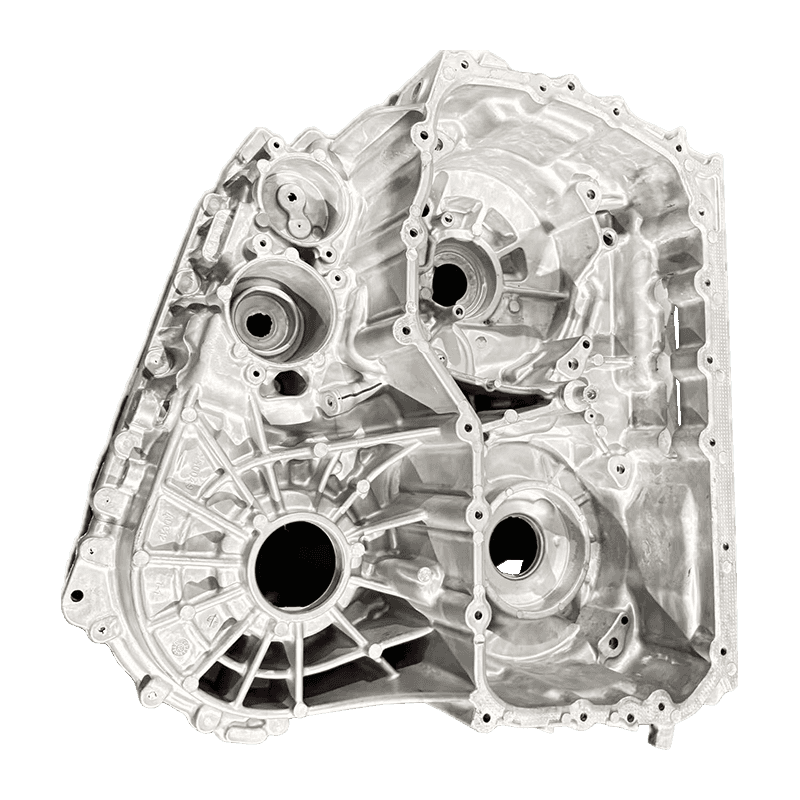
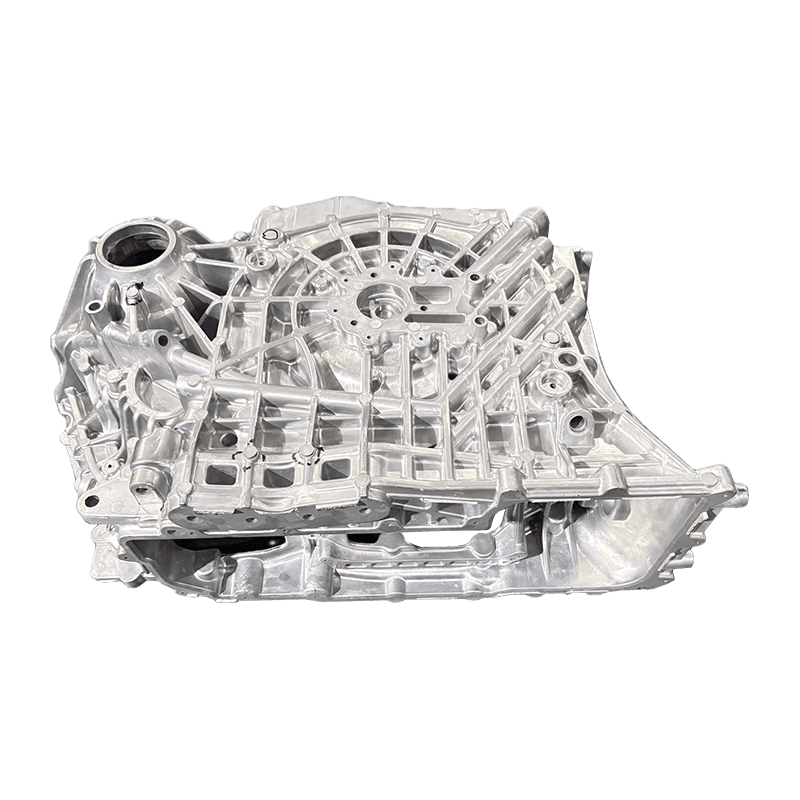
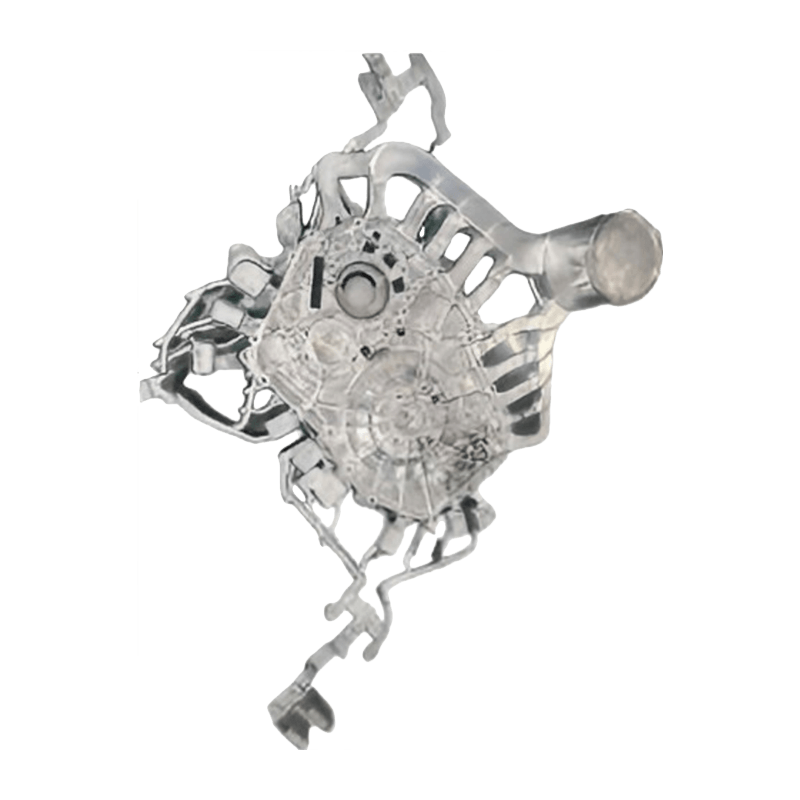
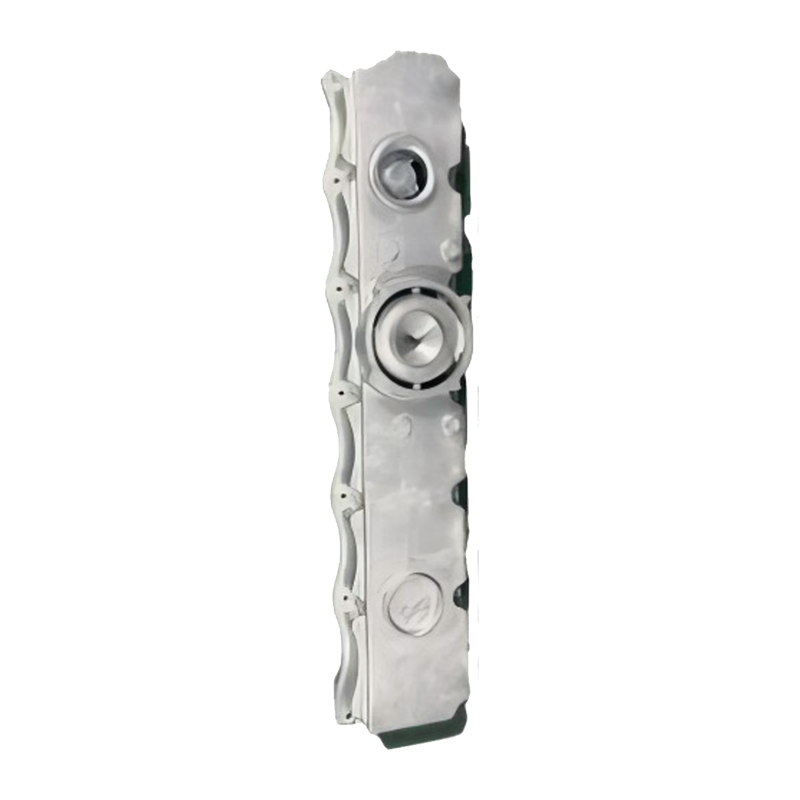
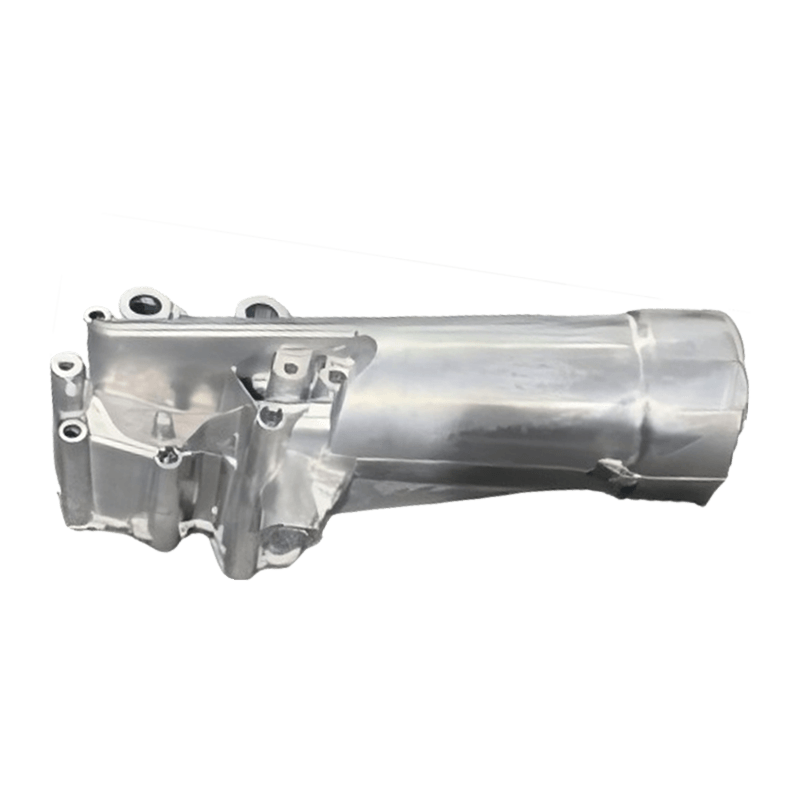
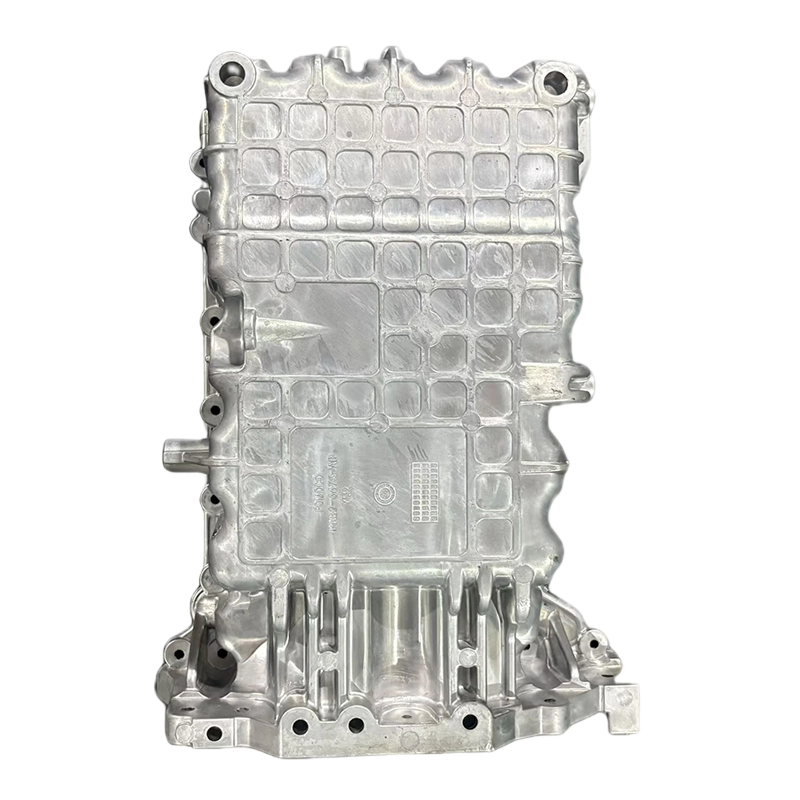
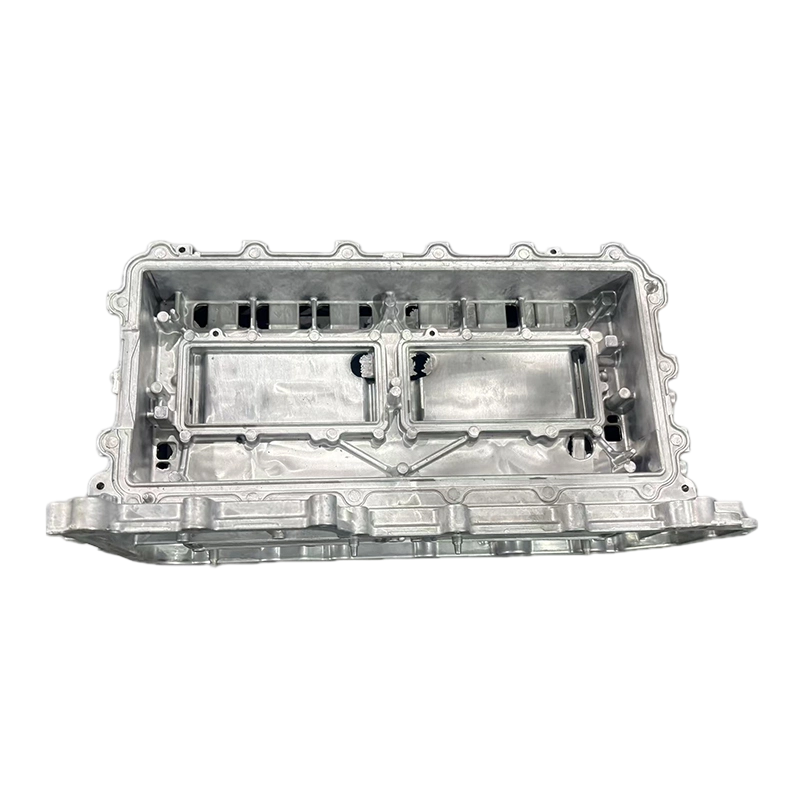
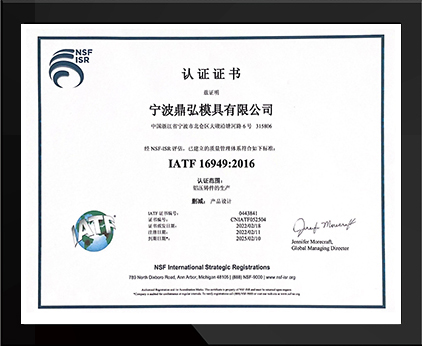
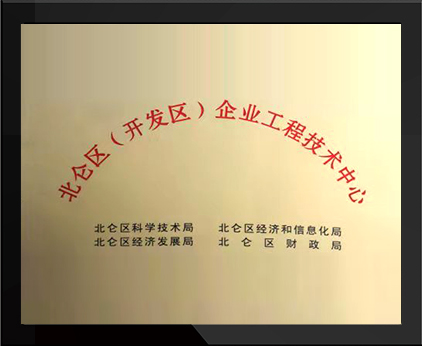
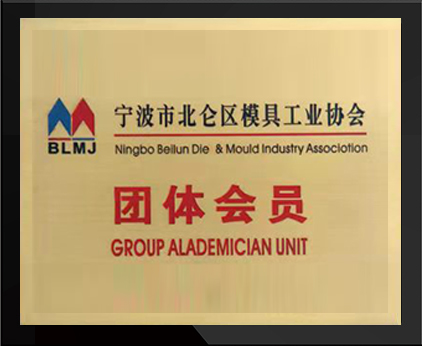
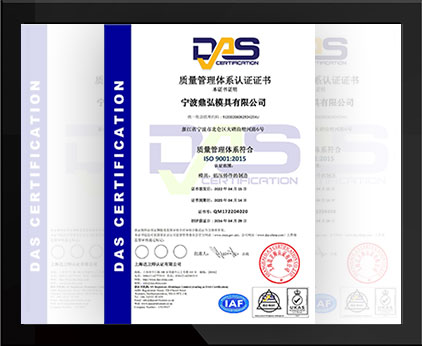
Ningbo Dinghong Mould Co., Ltd. is a China Die Casting Parts Manufacturer working from tool design through high-pressure die casting, precision finishing and export. Our range covers aluminium and magnesium alloy components for automotive, new energy, telecommunication, electrical, photovoltaic, robot and general industrial equipment, produced under an ISO 9001 and IATF 16949 quality system.
Yuejin Mould was founded in 1998 and Dinghong Mould was registered in 2013. Our 20 mu facility at No. 6 Yantanghe Road, Beilun District, Ningbo, sits beside Beilun Port and integrates mould design, die casting, finishing and trade in one chain, so a project moves from part data to production samples without changing hands.
What We Supply in This Category
We manufacture high-pressure die casting parts in aluminium alloy, with magnesium alloy capability, and supply them as finished components or as castings plus machining. Typical work includes housings, covers, brackets, bearing plates, structural towers, oil pans, pump and valve bodies, controller enclosures and heat-dissipation parts.
Every part is quoted against a defined working point: alloy, wall thickness, projected area, machining allowance, sealing or pressure-tightness requirement, surface treatment and annual volume. Our engineering team reviews the 3D model and 2D drawing before tooling starts, and mould flow analysis is used to visualise filling, cooling and stress distribution so that gating, overflow and cooling layout are settled before steel is cut.
Our Die Casting Parts Range
The categories below are the product families we build and quote. Each one carries different priorities in alloy choice, wall thickness, machining strategy and inspection, and each has its own page with representative parts.
| Product family |
Typical parts |
Application focus |
| Die Casting Fuel Automotive Parts |
Clutch housings, oil pans, bearing plates, hybrid housings |
Powertrain and driveline components needing stiffness, sealing and fatigue resistance |
| Die Casting New Energy Parts |
Reducer housings, front housings, controller housings, cylinder heads |
Electric drive units and hybrid systems where weight, ribbing and dimensional stability matter |
| Custom Die Casting Structural Parts Suppliers |
Shock absorber towers, longitudinal beams, chassis nodes |
Load-bearing body and chassis structures with integrated ribs and thickened sections |
| Die Casting New Energy Vehicle Three-Electric Parts |
Motor, electronic control and battery-system housings |
Three-electric assemblies requiring sealing faces, flatness and thermal paths |
| Die Casting Motorcycle Parts |
Engine covers, housings, brackets |
Compact castings with cosmetic surfaces and moderate load duty |
| Die Casting Pump And Valve Parts |
Bodies, covers, end plates |
Fluid-handling parts where porosity control and machined sealing faces are critical |
| Die Casting Telecommunication Equipment Parts |
Enclosures, heat sinks, mounting frames |
RF and network hardware needing flatness, EMI-relevant geometry and heat dissipation |
| Die Casting Photovoltaic,Energy Storage And Charging Parts |
Inverter housings, energy storage plates, charging enclosures |
Outdoor and cabinet-mounted parts with sealing, corrosion and thermal requirements |
| Die Casting Electrical Parts |
Switchgear housings, terminal boxes, covers |
Insulation-relevant geometry, flat mating faces and consistent wall sections |
| Die Casting Robot Parts |
Joint housings, arms, leg and frame components |
Lightweight moving structures where stiffness-to-weight ratio drives design |
| Die Casting Fitness Equipment Parts |
Frames, pivots, weight-stack components |
Repeated-load parts with cosmetic coating and stable assembly interfaces |
| Die Casting Other Parts |
Appliance, industrial and custom castings |
Non-standard programmes quoted from drawing and sample |
Tooling and Process Chain
Tooling is built in-house, which keeps the die casting process and the mould design in one engineering loop. Our Die Casting Molds are developed with CAD/CAE/CAM software, reviewed by the R&D department and released under controlled drawings before manufacturing.
- Design and simulation: mould flow analysis of filling, cooling and stress distribution, with design changes confirmed before cutting.
- Machining: high-precision CNC machining centres, large-scale EDM and wire cutting, with CMM checks after rough and fine machining.
- Casting: full-tonnage die casting machines supported by automated trimming lines.
- Finishing: precision machining, deburring and preparation for the surface treatment specified on the drawing.
Representative programmes include the F01R402N7501 Die casting Reducer housing, the Lotus Shock Absorber Tower and the Die casting 4D25 Clutch Housing.
Materials, Specifications and Configuration
Alloy selection follows the duty of the part. Structural and housing castings are normally produced in Al-Si based die casting alloys, with magnesium alloy used where weight reduction outweighs the additional process control it requires. We confirm the alloy grade, temper condition and any heat treatment on the drawing before tooling release.
- Critical dimensions: bearing bores, sealing faces, mounting hole patterns and flatness are identified as key characteristics and inspected against the drawing.
- Wall thickness and ribbing: reviewed against filling simulation to avoid cold shuts and shrinkage porosity.
- Machining scope: as-cast, partial machining or fully machined to datum, depending on the interface requirements of the assembly.
- Surface treatment: specified by the customer and applied to the agreed finish before packing.
- Marking and traceability: part identification and batch records are agreed at project launch.
Quality Control and Acceptance
Our quality system was certified to ISO 9001 and IATF 16949 in 2017 and covers incoming, in-process and outgoing inspection. Inspection equipment includes coordinate measuring machines, X-ray flaw detectors and spectrometers, and results are recorded per batch.
Acceptance sequence we work to:
- Incoming material inspection with spectrometric verification and metallographic analysis.
- Mould trial with sample wall thickness and full dimension check.
- First article inspection and dimensional report for customer approval.
- In-process checks on machining and assembly operations.
- Final inspection and documentation before delivery.
Where a part carries a pressure-tightness, leak or porosity requirement, that requirement is defined on the drawing and reflected in the inspection plan rather than assumed.
Project Support and Delivery Scope
We provide one-stop service from part design support, tool development and tool building through to parts production. A project team is assigned at launch, and technical negotiation, design review and customer confirmation are documented at each stage.
- Engineering interface: remote technical support through video conferencing and digital data sharing, with on-site engineering support for major projects when required.
- Documentation: controlled drawings, inspection records and packing specifications issued with the shipment.
- Packaging: agreed per part geometry and transport mode, with export packing arranged through Beilun Port.
- Serviceability: spare tooling components and replacement parts are planned with the customer during project launch.
Information We Use to Configure Your Solution
A reliable quotation depends on the working point, not on a category name. We prepare the tooling concept, casting layout, machining scope and inspection plan from the following inputs.
| Input |
What it determines |
| 3D model and 2D drawing with tolerances |
Parting line, gating, machining allowance, key characteristics |
| Alloy grade and heat treatment |
Mechanical properties, casting parameters, finishing route |
| Annual volume and call-off pattern |
Cavity number, machine selection, tooling amortisation |
| Sealing, leak or pressure requirement |
Porosity limits, X-ray inspection, machining strategy |
| Surface treatment and appearance class |
Casting surface quality, polishing, coating preparation |
| Assembly interfaces and mating parts |
Datum scheme, machining scope, functional gauges |
| Delivery destination and packing requirement |
Packaging design, logistics routing, documentation set |
Frequently Asked Questions
Which die casting process do you use for these parts?
We produce high-pressure die casting parts in aluminium alloy, with magnesium alloy capability, on full-tonnage die casting machines supported by automated trimming lines. Tooling is designed and built in-house, and mould flow analysis is used to settle filling and cooling before the mould is machined.
Can you supply both the mould and the production castings?
Yes. Our chain covers mould design, mould manufacturing, die casting, precision finishing and trade, so a programme can start from part data and continue into serial supply. Customers who already own tooling can also be quoted for casting and machining only.
How do you control porosity in sealing or pressure-tight parts?
Porosity control starts in the gating and cooling design and is verified during mould trial. Where the drawing defines a leak or pressure requirement, we include X-ray flaw detection and the agreed inspection method in the quality plan, and record results per batch.
What quality certifications apply to your die casting parts?
Our quality management system has been certified to ISO 9001 and IATF 16949 since 2017. Inspection equipment includes coordinate measuring machines, X-ray flaw detectors and spectrometers, and we operate incoming, in-process and outgoing inspection with recorded data.
What do you need to prepare a quotation?
Send the 3D model and 2D drawing with tolerances, the alloy and heat treatment, the annual volume and call-off pattern, any sealing or pressure requirement, the surface treatment, and the delivery destination. With those inputs we can define the tooling concept, casting layout, machining scope and inspection plan for your review.
Do you support custom parts outside the listed categories?
Yes. The listed families cover our main production, and non-standard aluminium alloy castings are quoted from drawing and sample through our Die Casting Other Parts programme. Our engineering team reviews the part design, tool development and production route before confirming the proposal.


 English
 Español
 русский
 Français