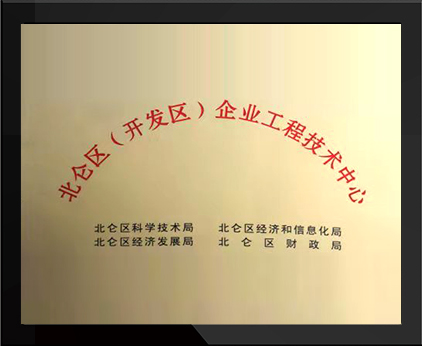
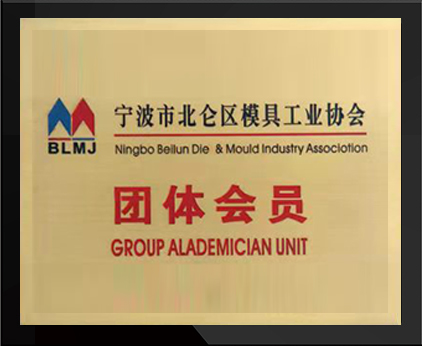
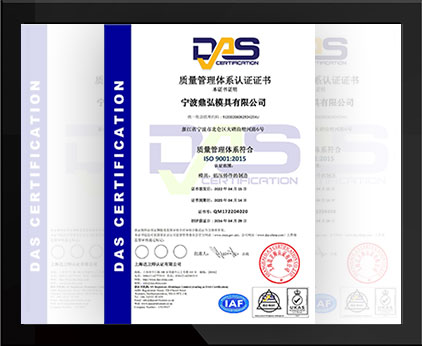
Ningbo Dinghong Mould Co., Ltd. is a China-based Die Casting New Energy Vehicle Three-Electric Parts manufacturer, producing aluminum alloy housings, trays and structural components for battery, motor and electronic control systems. Our in-house chain covers mold design, die casting, precision finishing and inspection, supported by IATF 16949 and ISO 9001 certification.
What We Supply for NEV Three-Electric Systems
Our Die Casting Parts range includes dedicated three-electric components engineered for the battery, motor and electronic control units of new energy vehicles. We cast high-strength aluminum alloys into parts that must combine structural stiffness, sealing integrity, heat dissipation and dimensional stability under vibration and thermal cycling.
The three-electric family covers three core application groups, each with its own tooling, process and inspection logic.
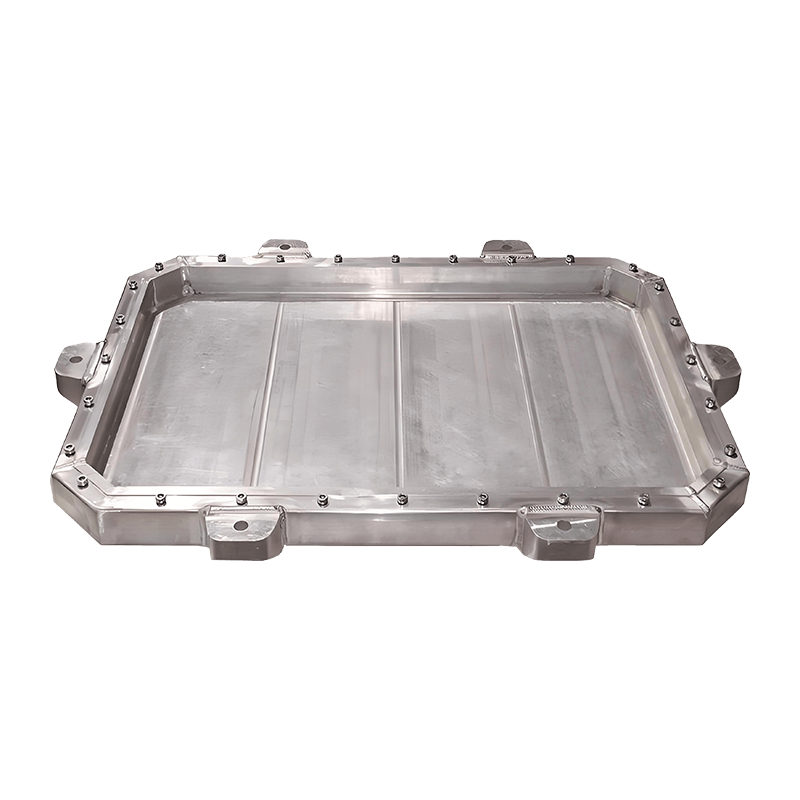
Battery Tray Die Castings
Large, thin-walled tray structures that carry and protect battery modules. We focus on flatness, sealing faces, rib layout and leak-tightness for pack assembly.
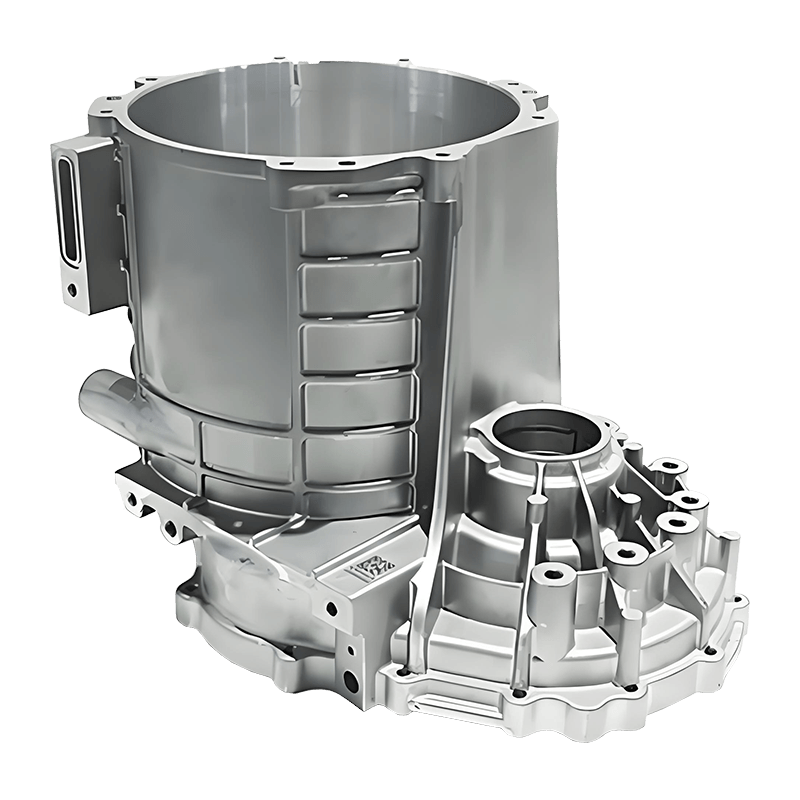
Motor Housings
Motor housings and covers that require concentric bearing seats, cooling passages and stable mounting interfaces for stator and rotor assembly.
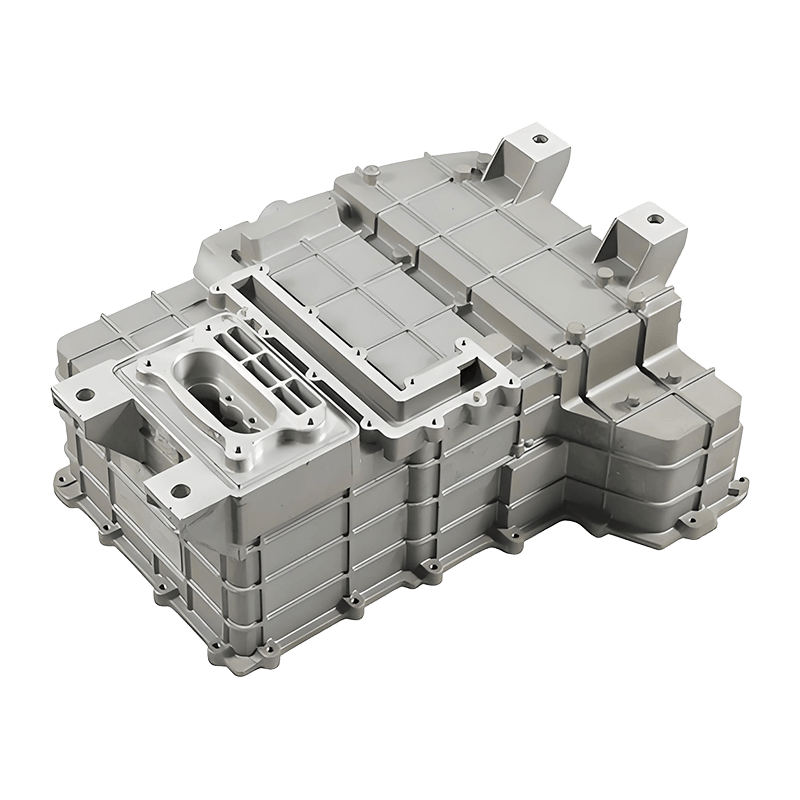
Electronic Control Unit Housings
ECU and controller housings with sealed cavities, EMI-relevant wall consistency and machined mating surfaces for PCB and connector integration.
Application Fit Across the Three-Electric Architecture
Three-electric parts sit at the interface between electrical performance and mechanical durability. A battery tray must resist road-induced fatigue while keeping a sealed enclosure. A motor housing must hold bearing alignment across temperature swings. An ECU housing must protect power electronics while dissipating heat. We select alloy, wall thickness, draft and machining allowance around these functional priorities rather than treating every part as a generic casting.
Where a project also includes adjacent vehicle content, our related ranges cover Die Casting New Energy Parts and Die Casting Structural Parts for chassis and body-adjacent components.
Materials and Critical Specifications
We cast aluminum alloys suited to high-pressure die casting, with alloy selection driven by strength, thermal conductivity, castability and post-machining requirements. For each three-electric part, the specification set typically includes:
- Alloy and temper: grade matched to load case, thermal duty and corrosion exposure.
- Wall thickness and mass: balanced against stiffness, filling behavior and weight targets.
- Dimensional tolerances: defined on mounting faces, bearing bores, sealing grooves and connector interfaces.
- Flatness and parallelism: critical for tray sealing and housing assembly.
- Leak-tightness: air or helium testing where the part forms a sealed enclosure.
- Surface condition: porosity limits, machining finish and coating or passivation needs.
Our Product Range and Where Each Type Fits
| Part Type |
Primary Function |
Key Casting and Machining Focus |
| Battery tray |
Module support and enclosure |
Large thin-wall filling, flatness, sealing faces, leak test |
| Motor housing |
Stator/rotor containment and cooling |
Bearing bore concentricity, cooling passage integrity, rib stiffness |
| ECU housing |
Electronics protection and heat path |
Sealed cavity, wall consistency, machined mating surfaces |
| Structural brackets and covers |
Load transfer and mounting |
Fatigue resistance, hole position, surface treatment |
Engineering and Process Control
Our design team uses CAD/CAE/CAM and mold flow analysis to simulate filling, cooling and stress distribution before cutting steel. This visual analysis lets us correct gate position, runner design, cooling layout and ejection strategy early, reducing trial-and-error during mold trials.
Production runs on high-precision CNC machining centers, large-scale EDM equipment, full-tonnage die-casting machines and automated trimming lines. The manufacturing route follows a controlled sequence: design data, process planning, six-face machining, hole machining, NC roughing, heat treatment checks, parts manufacturing with CMM verification, NC finishing, wire cutting, EDM, polishing, final check and assembly.
Quality Assurance and Acceptance
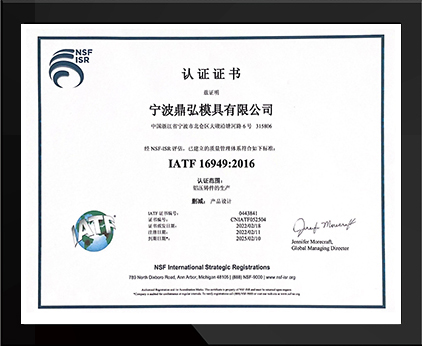
Since 2017 we have operated under ISO 9001 and IATF 16949 quality management systems. Inspection covers incoming material, in-process checks and outgoing verification. Our testing equipment includes CMM, X-ray flaw detection and spectrometer analysis, with data recorded for each batch.
For three-electric parts, acceptance typically combines dimensional reports, material certificates, X-ray or sectioning for internal porosity, leak testing for sealed housings and full-dimension checks on trial samples. We agree the control plan and inspection points with the customer before production release.
Information We Use to Configure Your Solution
To prepare a reliable mold and casting proposal, we work from the following project inputs:
- 3D part model and 2D drawing with tolerance and datum scheme
- Alloy grade, temper and any surface treatment requirement
- Annual volume, batch size and expected production ramp
- Functional requirements: sealing, leak rate, thermal path, load case
- Machining scope: as-cast, semi-finished or fully machined
- Interface data for mating parts, connectors and fasteners
- Inspection and documentation expectations for PPAP or equivalent
- Packaging, labeling and delivery destination
Tooling, Installation and Production Support
We provide service from part design through tool development, tool building and parts production. Mold flow analysis, structural design review and customer confirmation are built into the project flow before manufacturing begins. Our location near Beilun Port supports efficient logistics for export projects, and we coordinate remote technical support through digital data sharing and video review.
Frequently Asked Questions
Which three-electric parts can Dinghong die cast?
We produce battery trays, motor housings, electronic control unit housings and related structural covers and brackets in aluminum alloy. Each part is configured around its sealing, thermal and load requirements.
How do you control porosity in sealed housings?
We use mold flow analysis to optimize filling and cooling, apply controlled process parameters during casting, and verify internal quality with X-ray inspection and sectioning where required.
Can you supply both the mold and the production parts?
Yes. Our integrated chain covers mold design, mold manufacturing, die casting, precision machining and inspection, so a project can move from tooling to serial parts within one supplier.
What documentation do you provide for automotive projects?
We provide dimensional inspection reports, material certificates and process records aligned with IATF 16949 requirements. Specific PPAP or customer documentation packages are agreed during project planning.
How do I start a three-electric die casting project with Dinghong?
Send the part model, alloy and volume information, functional requirements and delivery target. Our engineering team reviews the data, performs mold flow analysis where needed, and returns a mold and casting proposal for confirmation.


 English
 Español
 русский
 Français