Die Casting Robot Parts Manufacturer for Robotic and Automation Builders
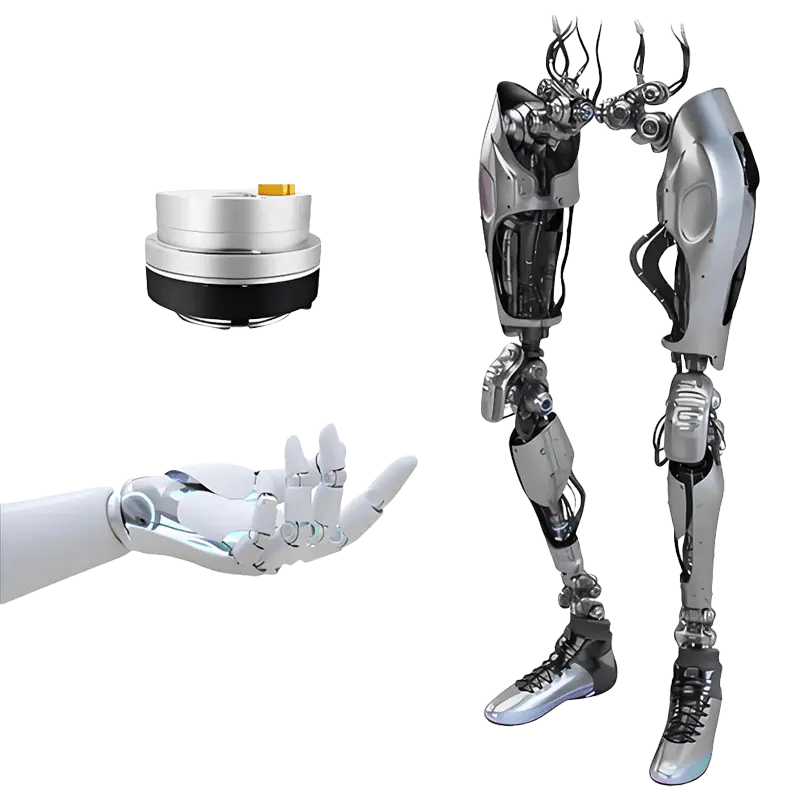
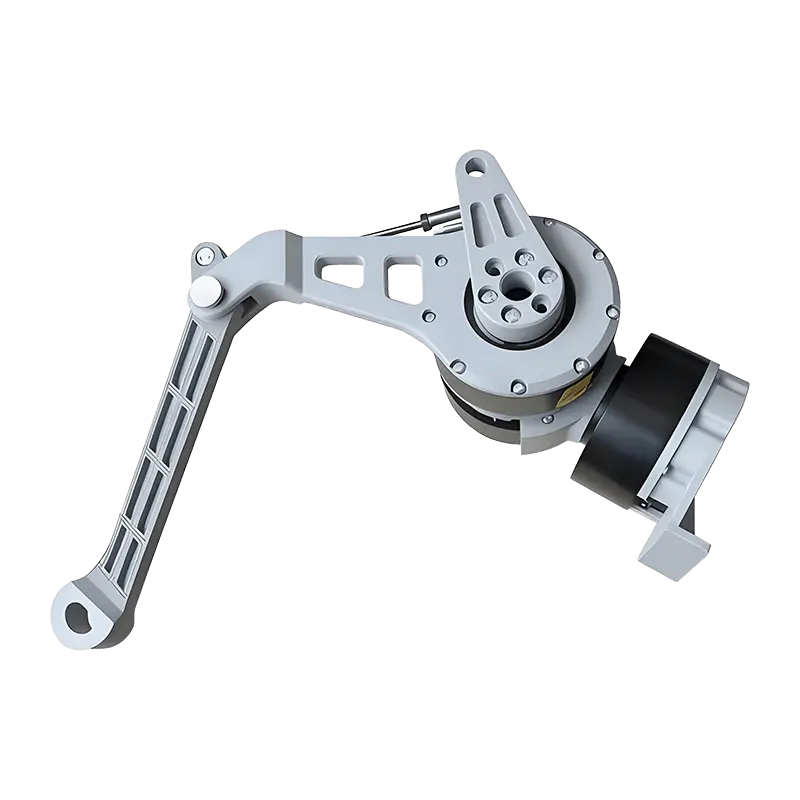
Ningbo Dinghong Mould Co., Ltd. is a China die casting robot parts manufacturer supplying aluminum alloy housings, joint bodies, arm segments, base plates and quadruped robot dog components. Our range covers structural and enclosure parts for industrial robot arms, service robots, AGV drive units and legged platforms, produced through mold design, die casting, precision finishing and inspection in one chain.
We work from part drawings or sample parts, run mold flow analysis before cutting steel, and deliver production parts with dimensional reports. The same engineering team supports tooling, first-article approval and series supply, so a robot program can move from prototype casting to repeat orders without changing supplier.
Our Die Casting Robot Parts Range
Robot parts place two demands on die casting at the same time: stiffness where loads pass through, and thin, clean walls where weight and cable routing matter. We cast these parts in aluminum alloy and machine the interfaces that carry bearings, shafts, gear sets and fasteners.
Robot Arm and Joint Housings
Cast housings for rotary joints, wrist units and arm links, with machined bearing seats, motor mounting faces and cable passages.
Robot Dog and Legged Platform Parts
Leg links, hip and knee joint bodies, foot mounts and body frames for quadruped robots, cast as integrated shapes with reinforcing ribs.
Base Plates and Mounting Frames
Machine base plates, adapter plates and mounting brackets that position the robot on a cell floor, gantry or mobile platform.
Drive and Gearbox Enclosures
Motor housings, reducer covers and controller boxes where sealing faces, bore alignment and heat paths are the critical features.
These parts sit inside our wider Die Casting Parts program, alongside automotive, new energy and telecommunication components. Robot programs often need several of these families at once, and we quote them under one project file.
Application Fit and Material Selection
We select the alloy and wall thickness against the load case, not against a single default. A joint housing that carries a gearbox reaction needs different section design from a cosmetic cover on a service robot.
- Load-bearing joints and links: high-strength aluminum alloy with ribbed sections, thickened bearing bosses and controlled wall transitions.
- Enclosures and covers: thinner walls with draft angles that release cleanly and keep machining to sealing faces and mounting holes.
- Heat-dissipating parts: cast-in fins or thickened pads where motor or controller heat must leave the housing.
- Wear surfaces: machined bores, ground faces or inserts where a shaft or bearing runs directly in the casting.
Critical Specifications We Hold on Robot Castings
| Specification Area |
What We Control |
Typical Robot Feature |
| Bore and seat accuracy |
Bore diameter, roundness, position relative to datum faces |
Bearing seats, motor pilots, gearbox interfaces |
| Flatness and parallelism |
Machined face flatness, face-to-face parallelism |
Joint mating faces, base plates, mounting flanges |
| Wall integrity |
Porosity level, wall thickness, internal soundness |
Thin arm shells, sealed enclosures, pressure-tight covers |
| Surface condition |
As-cast finish, machined finish, coating preparation |
Visible covers, painted housings, anodized parts |
| Assembly fit |
Hole patterns, thread depth, clearance to mating parts |
Multi-part joint stacks, sensor and cable brackets |
Configuration Options and Line Integration
Robot builders rarely buy a bare casting. We configure each part around the interfaces it must meet, and we confirm those interfaces with the customer before tooling starts.
- Machining scope: as-cast only, partial machining, or fully machined with bores, threads, sealing grooves and dowel holes.
- Inserts and bushings: cast-in or pressed-in steel inserts where threads or wear surfaces must survive repeated assembly.
- Sealing: machined O-ring grooves, gasket faces or sealant channels for IP-rated enclosures.
- Surface treatment: shot blasting, painting, anodizing or conversion coating, coordinated with the customer's finishing supplier when required.
- Assembly support: sub-assembly of castings with inserts, covers or brackets before shipment.
Where a robot cell uses our parts together with other castings, we keep one numbering and inspection scheme across the project. Related programs such as Die Casting Structural Parts and Die Casting Electrical Parts follow the same process discipline.
Tooling, Capacity and Production Flow
Our plant integrates mold design, manufacturing, die casting, finishing and trade. High-precision CNC machining centers, large-scale EDM equipment, full-tonnage die-casting machines and automated trimming lines support robot parts from tool build through series production.
- Design data review and technical negotiation with the customer's engineering team.
- Mold flow analysis to check filling, cooling and shrinkage before steel is cut.
- Structural design, 2D drawings and 3D modeling, reviewed and approved internally and by the customer.
- Tool manufacturing with in-process CMM checks after rough machining, heat treatment, fine machining, wire cutting and EDM.
- Mold trial, sample wall thickness and full dimension check, then customer sample approval.
- Series die casting, trimming, machining and final inspection before delivery.
Quality Assurance and Acceptance
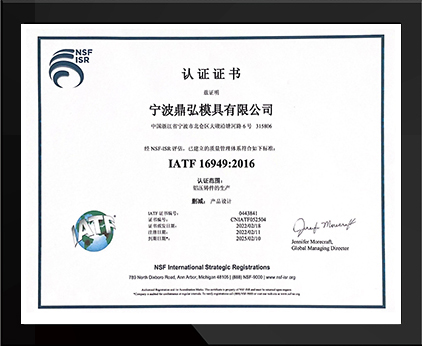
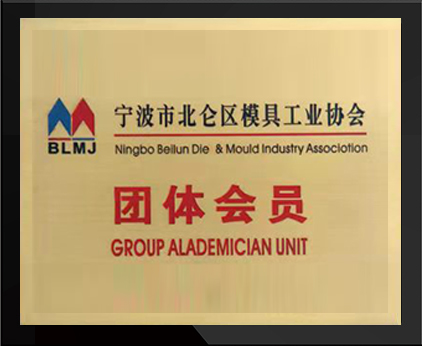
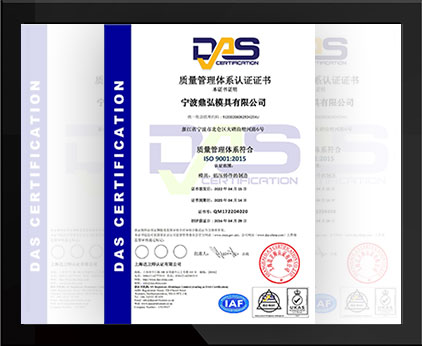
We have held ISO 9001 and IATF 16949 certification since 2017 and operate incoming, in-process and outgoing inspection. Inspection equipment includes CMM, X-ray flaw detection and spectrometer analysis, and each batch is tested and recorded.
- Incoming: raw material dimension checks and metallographic analysis before production.
- In-process: checks on standard and outsourced components, plus CMM verification at machining stages.
- Sample approval: wall thickness measurement, full dimension report and trial assembly where required.
- Pre-delivery: final inspection against the approved drawing and control plan.
For robot programs, we agree the control points with the customer at the start: which dimensions are critical, which surfaces are cosmetic, and which features are checked on every batch rather than on samples.
Information We Use to Configure Your Solution
A robot casting quotation is only useful if it matches the real part. We prepare the proposal from the following inputs, and we confirm open points with the customer's engineers before committing to tooling.
| Input |
Why We Need It |
| 3D model and 2D drawing with tolerances |
Defines geometry, machining allowance and critical dimensions |
| Material and heat treatment requirement |
Sets alloy choice, mechanical properties and machining sequence |
| Annual volume and batch pattern |
Drives mold cavity layout, machine tonnage and production planning |
| Machined features and datum scheme |
Determines fixture design, machining steps and inspection plan |
| Surface treatment and assembly scope |
Confirms finishing route and whether we ship parts or sub-assemblies |
| Delivery location and packaging requirement |
Sets packing method, protection level and shipping arrangement |
Maintenance, Spare Parts and Documentation
Die casting tools wear, and robot parts often run for years. We keep tool records, inspection data and process parameters so that replacement tools or spare castings match the approved part. Customers receive dimensional reports, material records and inspection data with their shipments, and we support remote technical discussion through video conferencing and digital data sharing.
Our location beside Beilun Port in Ningbo gives us direct access to international shipping, which supports delivery planning for customers in China, South America, Southeast Asia and the EU. Packaging is agreed per part: returnable racks, foam-separated trays or export cartons with corrosion protection.
Frequently Asked Questions
Can you produce both the die casting mold and the robot parts?
Yes. We design and build the mold, run mold flow analysis, cast the parts, machine the critical features and inspect them before shipment. One project team handles the tool and the production parts, which keeps the approved sample and the series part aligned.
What is the smallest and largest robot part you can cast?
We produce small joint covers and brackets as well as larger base plates and body frames, using full-tonnage die-casting machines and large-scale EDM equipment. The practical limit depends on projected area, wall thickness and required machining, so we confirm feasibility from the 3D model before quoting.
How do you handle thin walls and porosity in robot housings?
Mold flow analysis checks filling and cooling before the tool is cut, and we set gate and overflow positions to reduce air entrapment. X-ray flaw detection and wall thickness checks on trial samples confirm internal soundness before series production begins.
Can you machine bearing seats and sealing faces to tight tolerances?
We machine bores, pilots, sealing grooves and mounting faces on high-precision CNC machining centers and verify them with CMM. Tolerances are agreed from the drawing, and the datum scheme is fixed before fixture design so that inspection matches the customer's assembly reference.
What quality documents come with a robot parts order?
Orders are supported by dimensional inspection reports, material and metallographic records, and batch inspection data from our ISO 9001 and IATF 16949 quality system. Specific report formats and control points are agreed during project launch.
How do we start a robot parts project with Dinghong Mould?
Send the 3D model, 2D drawing, material requirement, annual volume and delivery target. We review the part, confirm the machining and inspection scope, and return a tooling and production proposal. For customers who want to see the wider capability first, our Product & Services range shows the other part families we cast and machine.
Related Products and Categories
Our portfolio also includes VIEW MORE for applications with different operating ranges, interfaces or integration requirements.


 English
 Español
 русский
 Français