
 English
 Español
 русский
 Français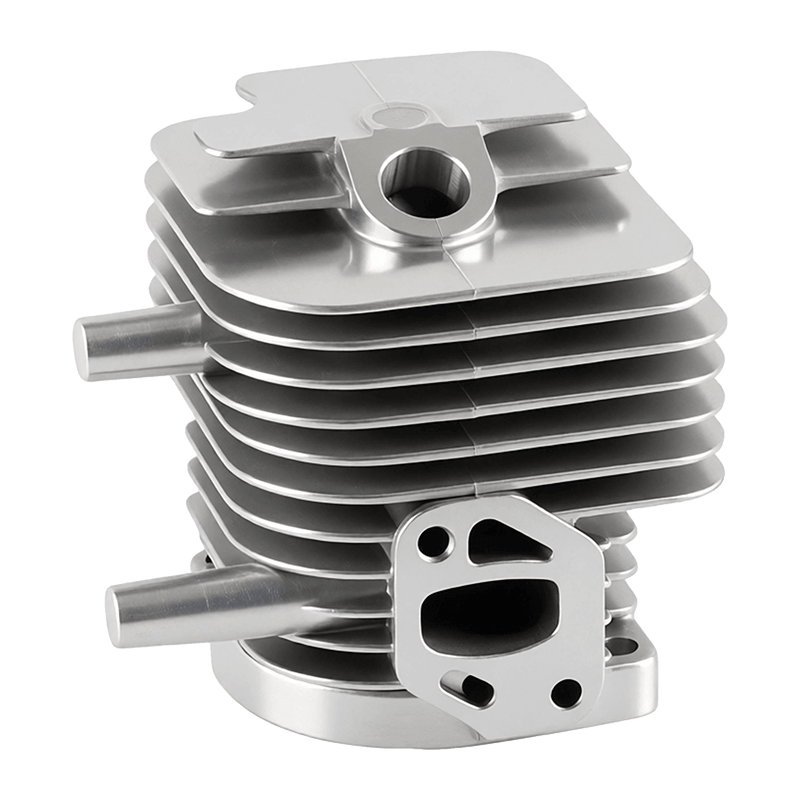

One large aluminum die casting can now replace what used to be 70 to 130 separately stamped and welded steel parts in a...
READ MORE
Content
Die casting is a manufacturing process that forces molten metal under high pressure into a reusable steel mold to produce precise metal parts at scale. A single die casting mold typically produces between 100,000 and 1,000,000 parts before major refurbishment, making it one of the most cost-efficient methods for high-volume metal component production in automotive, electronics, and industrial equipment manufacturing.
The process begins by melting metal, typically aluminum, zinc, or magnesium alloys, at temperatures ranging from 380°C for zinc to over 650°C for aluminum. The molten metal is then injected into the die cavity at pressures between 1,500 and 25,400 psi, depending on machine type and part complexity, before rapidly solidifying into its final shape.
Hot chamber die casting submerges the injection mechanism directly in molten metal, making it ideal for low-melting-point alloys like zinc and magnesium. Cold chamber die casting, used mainly for aluminum, ladles molten metal into a separate injection sleeve, resulting in longer cycles but better suited for higher-temperature metals.
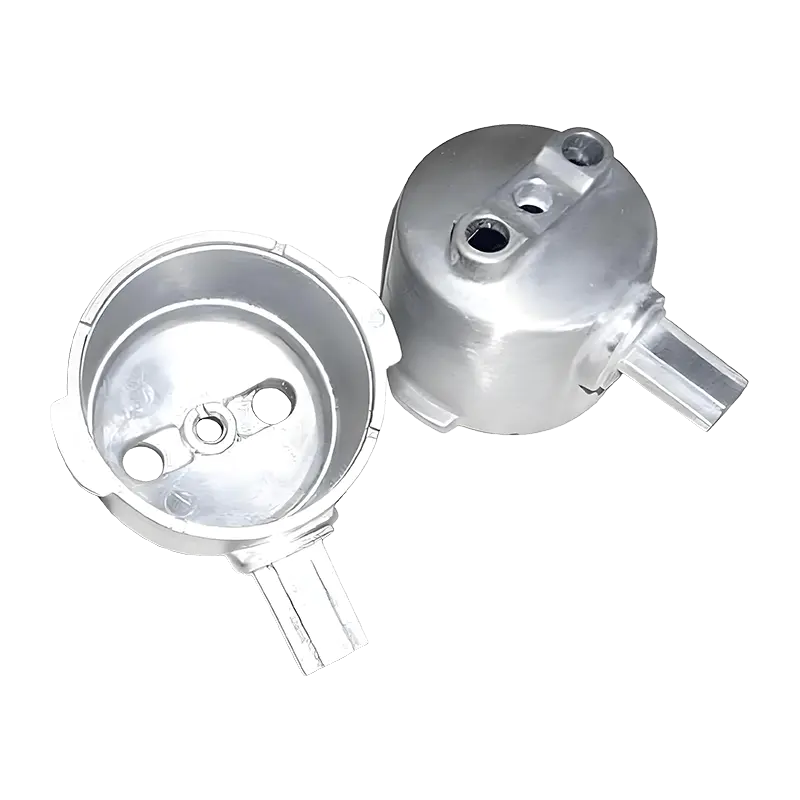
Die casting parts offer a combination of dimensional accuracy and mechanical strength that few other processes match at comparable cost. Tight tolerances significantly reduce or eliminate the need for secondary machining on many components, cutting overall production cost per unit.
Automotive manufacturers rely heavily on die cast parts for transmission housings, engine brackets, and structural components, with the average vehicle now containing over 20kg of die cast aluminum parts. The electronics industry uses die casting for heat sinks and enclosures requiring both thermal conductivity and durability.
| Alloy | Melting Point | Typical Application |
|---|---|---|
| Aluminum | 660°C | Engine parts, housings, brackets |
| Zinc | 380°C | Connectors, small hardware, gears |
| Magnesium | 650°C | Lightweight brackets, electronics casings |
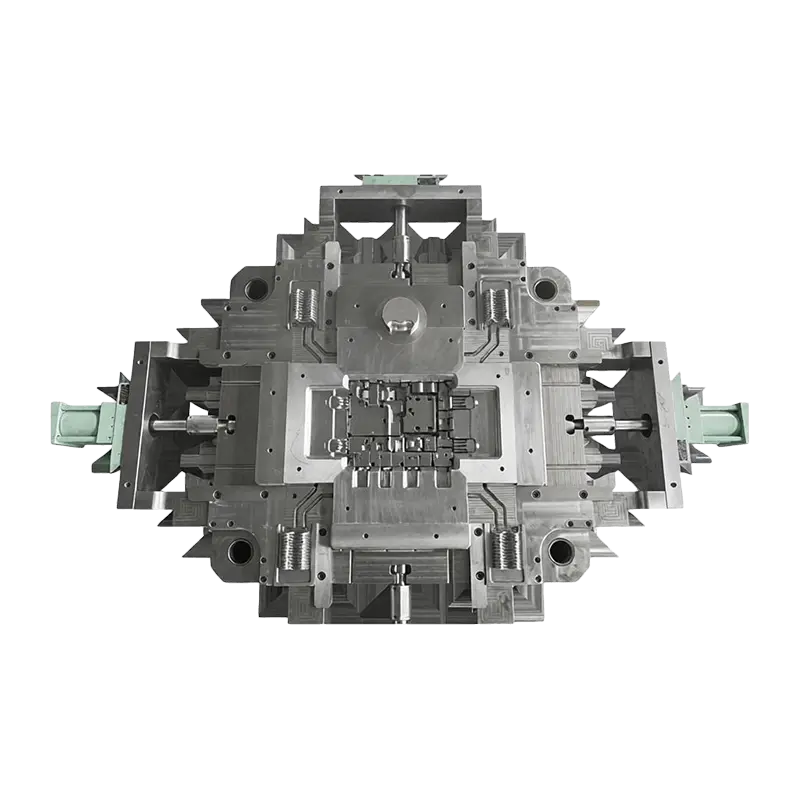
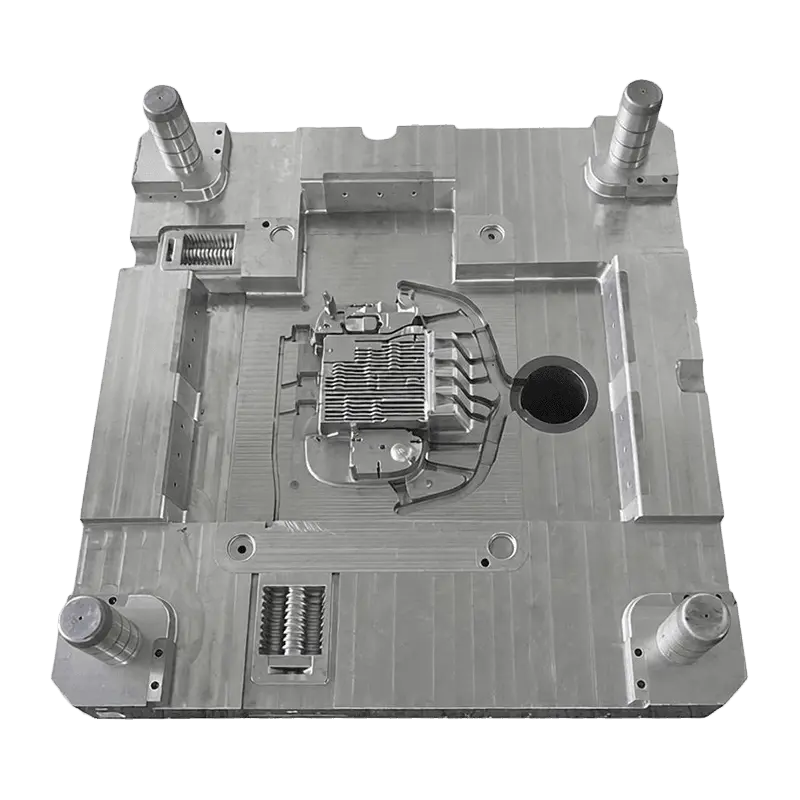
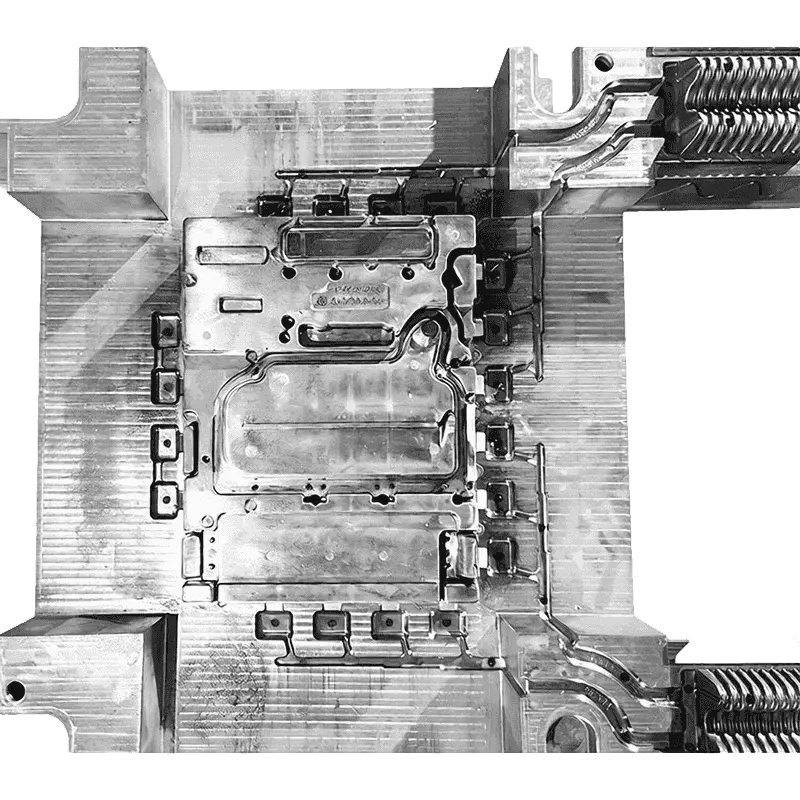
The die casting mold, often called a die or tool, is the single most important investment in the entire process. A well-engineered mold directly determines part quality, production speed, and overall project cost, since molds can account for 30-60% of total project expenses depending on complexity.
Most molds are machined from hardened tool steel such as H13, chosen for its resistance to thermal fatigue and cracking under repeated heating and cooling cycles. Lifespan varies significantly by alloy cast and maintenance practices.
Understanding cost drivers helps buyers make informed decisions when sourcing die casting parts and molds. Tooling cost is typically the largest upfront expense, ranging from $3,000 for simple zinc molds to over $100,000 for complex multi-cavity aluminum tools.
| Mold Type | Cavity Count | Estimated Cost |
|---|---|---|
| Simple zinc mold | Single cavity | $3,000 - $10,000 |
| Standard aluminum mold | 2-4 cavities | $15,000 - $50,000 |
| Complex multi-cavity mold | 4+ cavities | $50,000 - $100,000+ |
A mold designed with four cavities instead of one can cut per-part production time significantly, but the higher upfront tooling cost only pays off when order volumes justify it, generally above 10,000 units annually.
One large aluminum die casting can now replace what used to be 70 to 130 separately stamped and welded steel parts in a...
READ MOREMaterials & Manufacturing Yes, Aluminum Die Casting Parts are consistently lighter than Cast Iron Parts when engin...
READ MORE1 Introduction The commercial application of aluminum alloy die castings can be traced back to 1915. After a century of ...
READ MOREOn the afternoon of June 23, 2022, the "2022 Greater Bay Area Youth Exchange Conference and Visit Activity" hosted by t...
READ MORE

Sun Yuejun: +86-13806631860
Wang Shiyong: +86-15958891460 / 15058297768
Dove Yao: +86-18625086675


Copyright © Ningbo Dinghong Mould Co., Ltd. Rights Reserved. Custom Precision Die Casting Aluminum Alloy Parts Manufacturers
