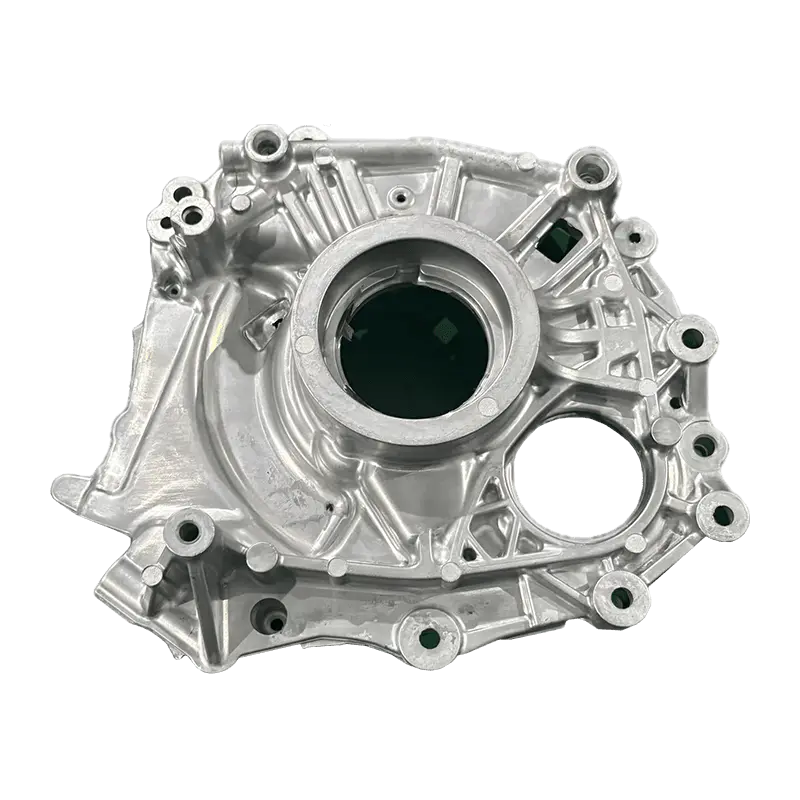
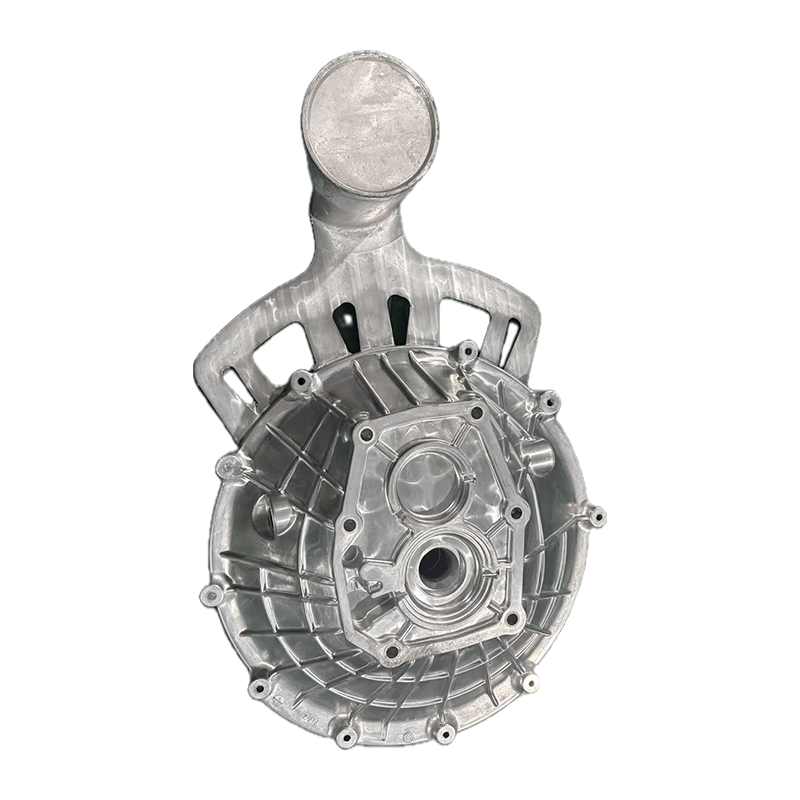
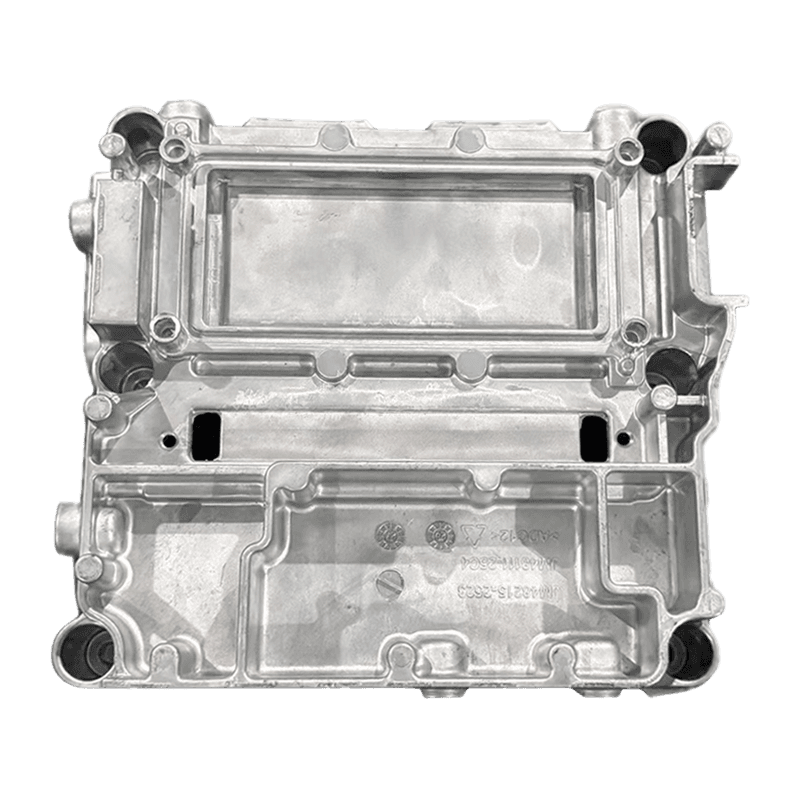
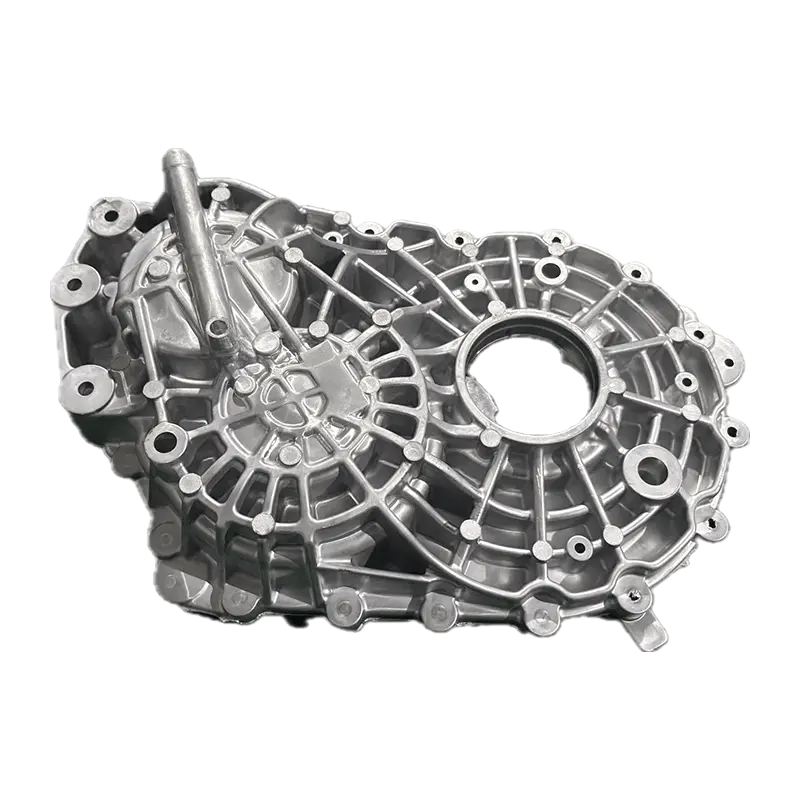
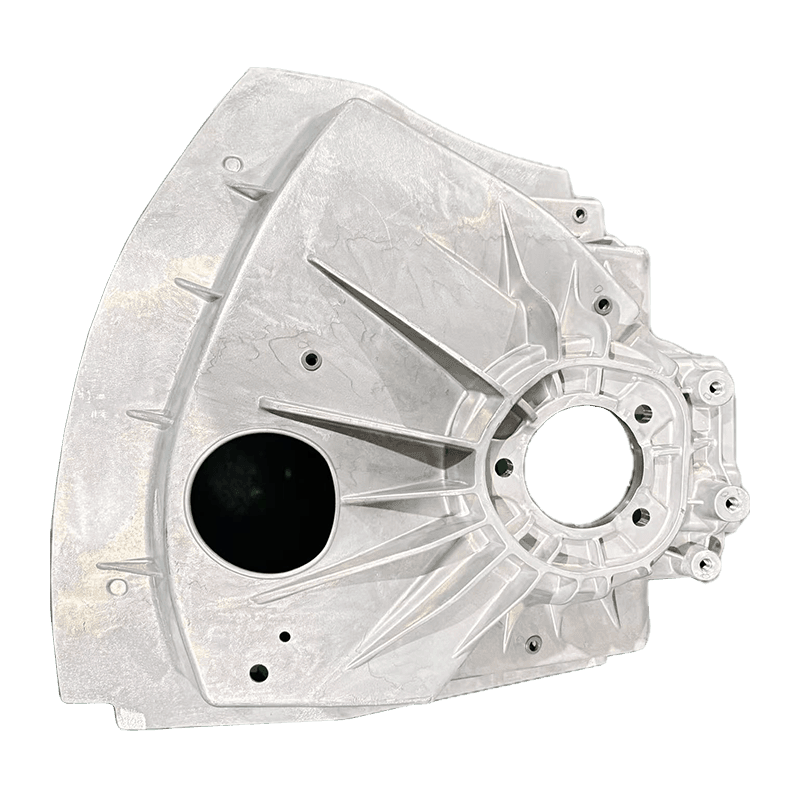
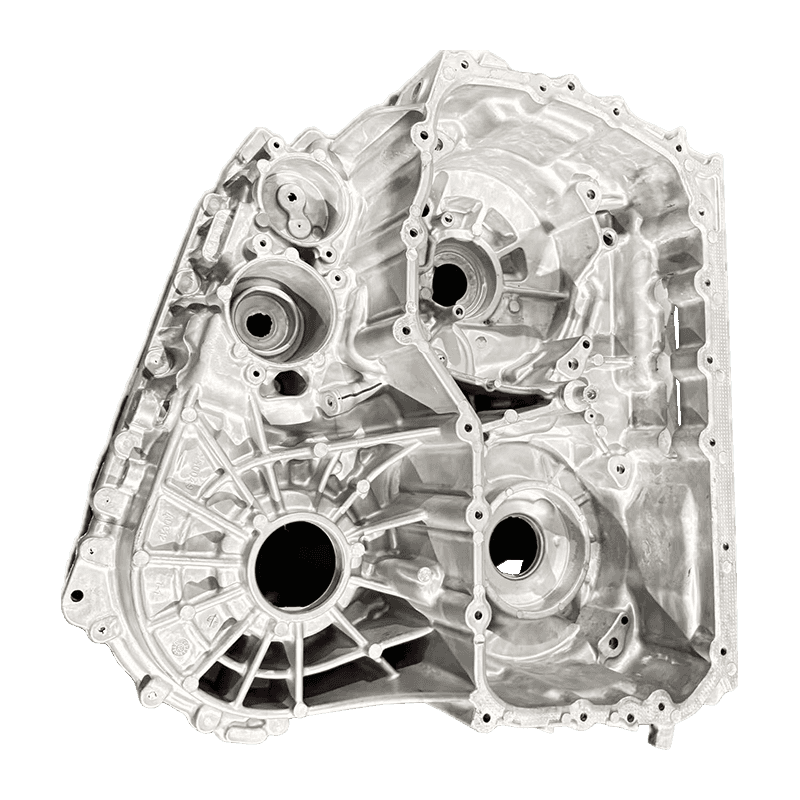
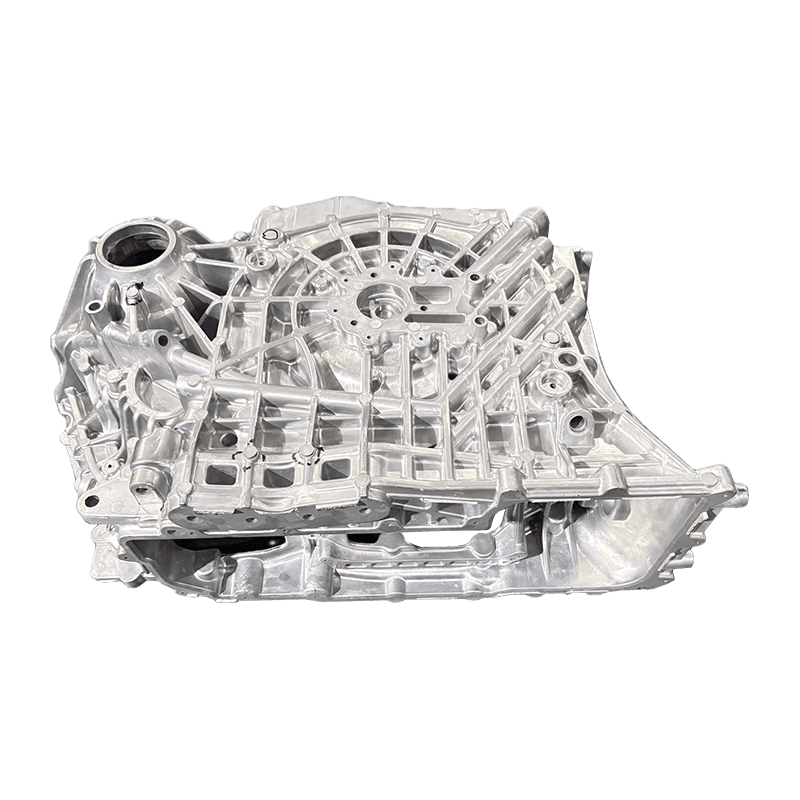
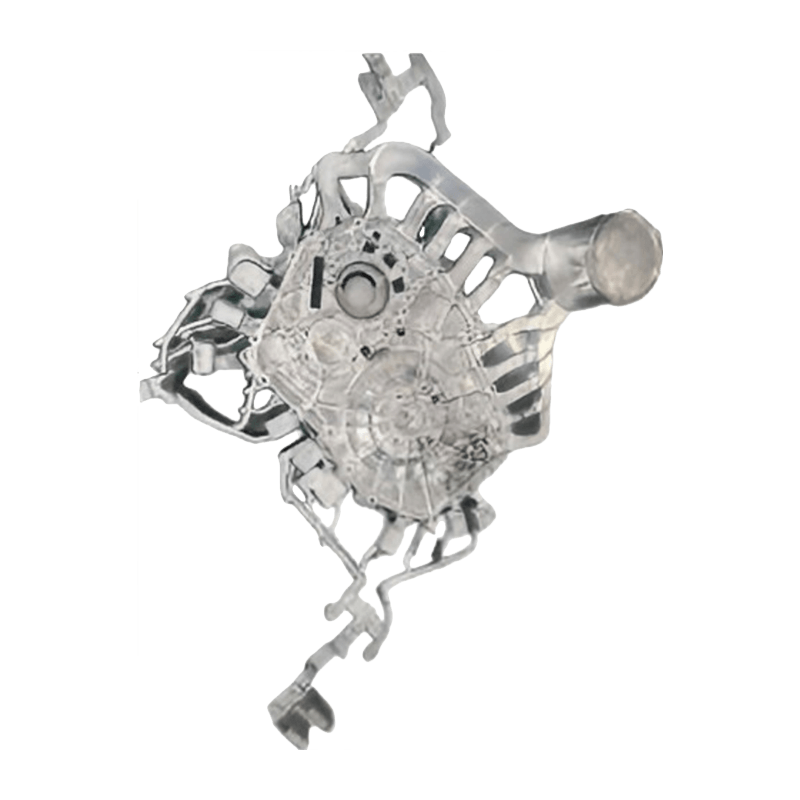
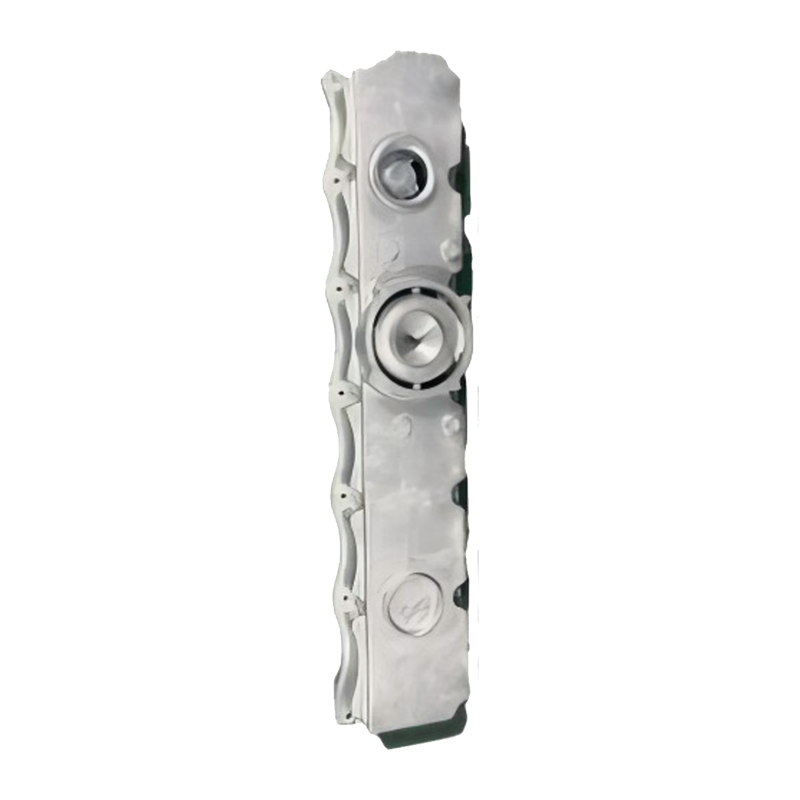
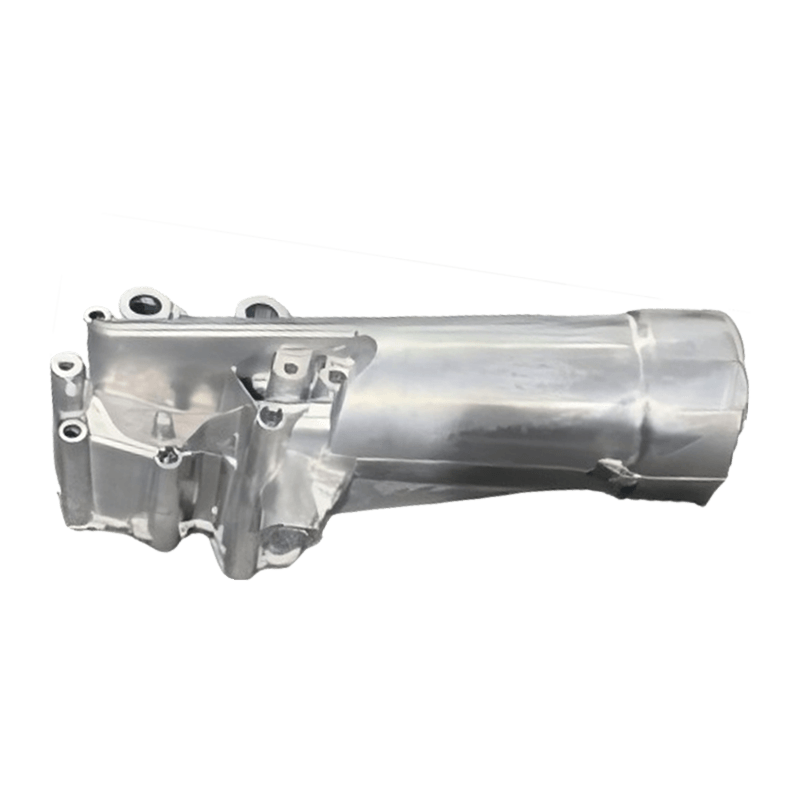
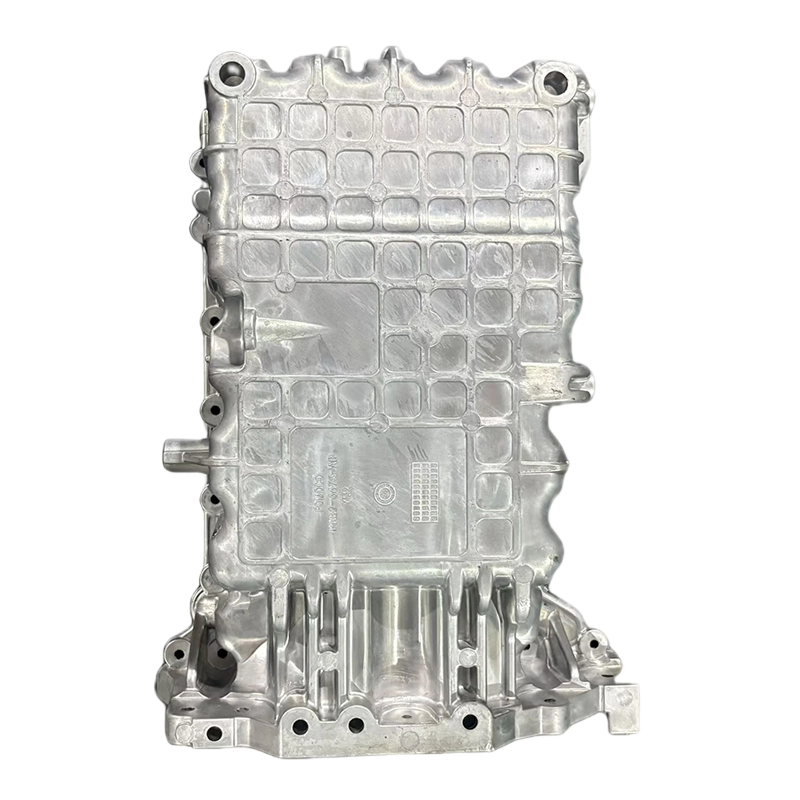
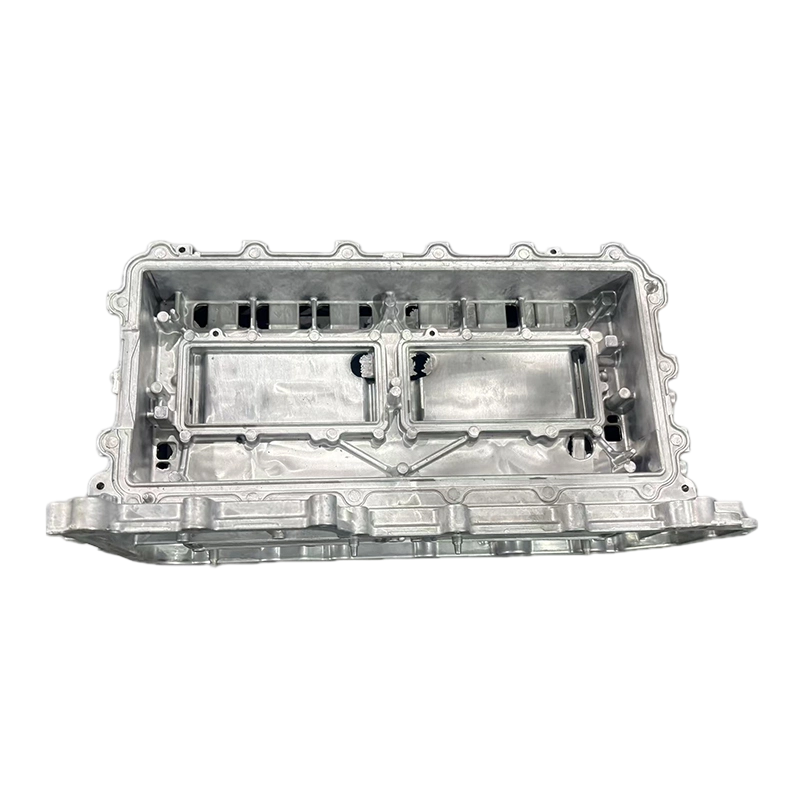
Ningbo Dinghong Mould Co., Ltd. is a China-based Die Casting Household Appliance Parts Manufacturers working in aluminium alloy. We design and build the die casting molds, run the casting process, machine and finish the parts, and coordinate export from our facility beside Beilun Port in Ningbo.
Our range covers household appliance housings, brackets, plates, covers and structural components, together with the tooling that produces them. Yuejin Mould was founded in 1998 and Dinghong Mould was registered in 2013; the same team has served automotive, appliance and telecommunication programmes since then.
What We Supply for Household Appliance Die Casting
Household appliance die castings are usually thin-walled, visible or semi-visible parts that must assemble cleanly, hold threads and bosses, and accept coatings or anodising. We produce them as aluminium alloy castings with the mold, trim, machining and inspection handled inside one chain of responsibility.
Die Casting Parts
Finished aluminium components: housings, covers, frames, handles, plates and mounting brackets for appliance assemblies, supplied after trimming, deburring and machining.
Die Casting Molds
Tooling engineered for the part: gating, cooling, ejection and venting designed from mold flow analysis, then built, trialled and handed over with sample data.
Because we hold both sides of the process, a household appliance programme can start from a part drawing or a 3D model and move through tool development, first-article samples, pilot batches and series production without changing supplier between stages.
Our Product Range and Where Each Type Fits
The categories below are the ranges we manufacture. Household appliance work draws mainly on the structural, electrical, pump and valve, and general die casting groups, but the same tooling and casting platform serves adjacent industries.
| Range |
Typical Parts |
Application Fit |
| Die Casting Structural Parts |
Frames, towers, load-bearing brackets |
Stiffness, fatigue life and ribbed geometry |
| Die Casting Electrical Parts |
Control boxes, covers, heat-sink housings |
Sealing faces, flatness and thermal paths |
| Die Casting Pump And Valve Parts |
Bodies, end covers, impeller housings |
Pressure tightness and machined bore accuracy |
| Die Casting Other Parts |
Handles, trays, trim and custom fittings |
Cosmetic surfaces and assembly interfaces |
| Die Casting Molds |
Cavity and core tooling, spare inserts |
New programmes, capacity expansion, tool replacement |
Adjacent ranges such as Custom Die Casting New Energy Parts Suppliers and telecommunication housings share the same casting cells, so appliance parts benefit from experience gained on tight-tolerance, high-integrity work.
Material and Part Design Considerations
Aluminium alloy selection follows the duty of the part rather than a fixed house standard. For appliance work we normally discuss the balance between castability, strength, thermal conductivity and surface finish before the mold layout is frozen.
- Wall thickness and rib layout, which govern fill behaviour and distortion risk.
- Boss, thread and insert positions that must survive assembly torque.
- Machined faces, sealing grooves and bearing seats that need defined flatness or bore tolerance.
- Cosmetic zones, parting-line placement and ejector-mark restrictions.
- Coating, painting or anodising requirements that affect surface preparation.
Where a design is still open, we review draft, radii and wall transitions and return comments before tooling starts, which reduces later engineering changes.
Tooling, Simulation and Process Control
Our design team works in CAD/CAE/CAM and uses mold flow analysis to visualise filling, cooling and stress distribution before cutting steel. This early simulation lets us adjust gate position, runner size, cooling circuits and venting while changes are still inexpensive.
Tooling workflow we follow
- Design data review and technical negotiation with the customer.
- Mold flow analysis and structural design, with customer approval before release.
- 2D drawings and 3D modelling, checked by the R&D manager.
- Machining, heat treatment, wire cutting, EDM and polishing with CMM checks at each stage.
- Assembly, trial run, sample wall-thickness and full-dimension verification.
The workshop is equipped with high-precision CNC machining centres, large-scale EDM equipment, full-tonnage die casting machines and automated trimming lines, which allows us to handle both the tool and the production volumes that follow it.
Quality Assurance and Acceptance
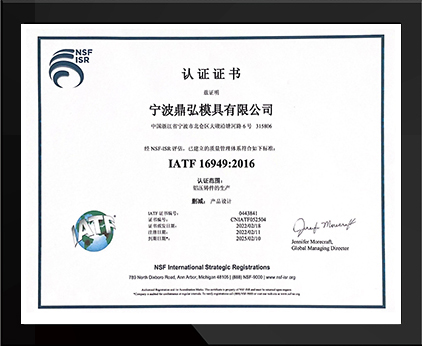
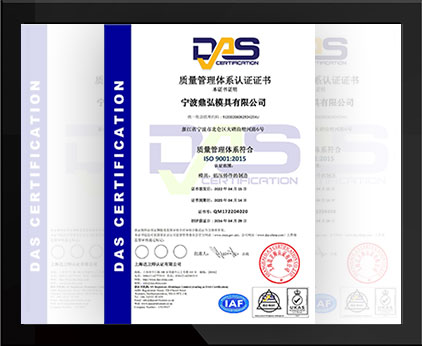
Dinghong Mould has held ISO 9001 and IATF 16949 certification since 2017, and the quality system covers incoming material, in-process checks and outgoing inspection. Inspection equipment includes CMM, X-ray flaw detection and spectrometry, with results recorded per batch.
- Raw material verification, including dimension inspection and metallographic analysis for mold steel.
- In-process checks on standard and outsourced components during mold build.
- Mold trial with sample wall-thickness measurement and full-dimension report.
- Pre-delivery check before the tool or the production batch is released.
For series parts, we agree the control points with the customer at the start: which dimensions are critical, which are reference, how porosity is judged, and what sample documentation accompanies each shipment.
Information We Use to Configure Your Solution
A workable proposal needs the working point, not just a part name. The table below shows the inputs that let us select machine tonnage, cavity count, machining scope and inspection plan.
| Input |
Why We Need It |
| 3D model and 2D drawing with tolerances |
Defines cavity layout, parting line and machining allowance |
| Alloy grade and surface treatment |
Sets shrinkage, fill parameters and finishing route |
| Annual volume and batch pattern |
Drives cavity number, machine selection and cycle target |
| Critical dimensions and leak or pressure duty |
Determines inspection method and acceptance criteria |
| Assembly interfaces and mating parts |
Confirms functional gauges and fit checks |
| Packaging, labelling and delivery destination |
Plans export packing and shipping from Beilun Port |
Project Support, Documentation and Serviceability
We provide a one-stop route from part design through tool development, tool building and parts production. Project management covers technical negotiation, design approval, trial samples and series release, with remote technical support by video conference and digital data sharing for overseas customers.
- Mold documentation: 2D drawings, 3D data and trial reports.
- Spare inserts, cores and wear parts planned at tool handover.
- Maintenance guidance for cooling circuits, ejector systems and sliding cores.
- Operator and inspector training on request for new programmes.
Our marketing network covers China, South America and Southeast Asia, and we are developing the European market. Parts and tools ship from Ningbo, close to Beilun Port, which keeps export logistics straightforward for appliance manufacturers working on global assembly schedules.
Frequently Asked Questions
Can you produce both the mold and the household appliance castings?
Yes. Mold design, manufacturing, die casting, finishing and trade sit inside one company, so a programme can move from tooling to series parts without a supplier change. We also quote tooling alone when a customer already has casting capacity.
Which aluminium alloys do you cast for appliance parts?
Alloy choice follows the part duty, covering castability, strength, thermal behaviour and finishing. We confirm the grade with the customer during technical negotiation and reflect it in the mold flow analysis and process parameters.
How do you handle porosity and pressure-tightness requirements?
Gating, venting and cooling are designed to reduce gas entrapment, and X-ray flaw detection is available for verification. Where a part must hold pressure, we agree the leak-test method and acceptance level before production begins.
What lead time should we plan for a new appliance part?
Timing depends on part size, cavity count, machining scope and approval rounds. After reviewing the model, volume and tolerance requirements, we return a schedule covering design, mold build, trial and sample approval.
Do you support secondary machining and surface finishing?
Precision finishing is part of our process chain, covering trimming, deburring and machining of sealing faces, bores and threads. Surface treatment routes are agreed with the customer so the delivered part matches the assembly requirement.
How are tools and parts packed for export?
Molds are protected for sea freight and parts are packed to the agreed labelling and quantity scheme. We confirm packaging, marking and delivery terms during quotation so the shipment matches the receiving plant's handling routine.


 English
 Español
 русский
 Français