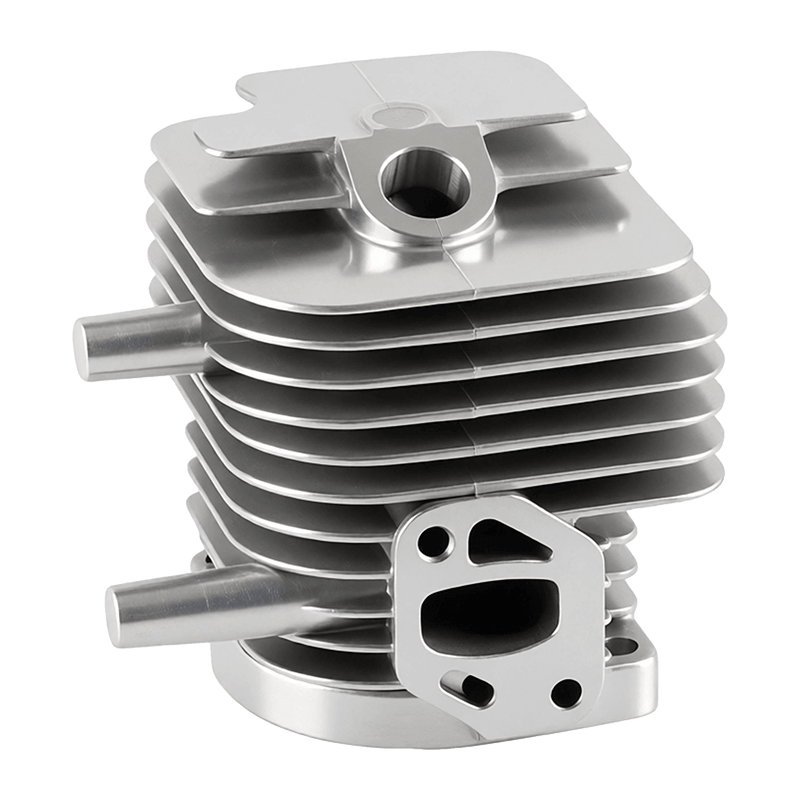
Ningbo Dinghong Mould Co., Ltd. is a China-based Die Casting Motorcycle Parts manufacturer working from mould design through die casting, precision finishing and inspection. Our Beilun facility near Ningbo handles aluminium alloy parts for motorcycle frames, engine peripherals, transmission covers and accessory assemblies.
The range sits inside our broader Die Casting Parts programme, so a motorcycle project can draw on the same tooling, process control and metrology used for automotive and new-energy work. Yuejin Mould, our predecessor, began in 1998 with motorcycle parts, and that experience still shapes how we quote and build motorcycle tooling today.
What We Supply in Die Casting Motorcycle Parts
We produce custom aluminium alloy die castings to drawing, not a fixed catalogue. Typical motorcycle content includes engine and clutch covers, gearbox and transmission housings, fork and triple-clamp components, footpeg brackets, brake and master-cylinder bodies, handlebar clamps, luggage-rack fittings and small structural brackets. Each part is quoted as a complete package: mould, casting, machining, surface treatment and inspection.
Because motorcycle platforms change quickly, we treat tooling as a reusable asset. A single mould can serve several model variants where wall thickness, rib layout and mounting bosses stay within the same family, which keeps per-unit cost sensible across low and mid-volume runs.
Where Each Motorcycle Part Type Fits
| Part group |
Typical function |
Key casting considerations |
| Engine & clutch covers |
Sealing, oil retention, heat dissipation |
Flatness, porosity control, machined gasket faces |
| Transmission & gearbox housings |
Bearing support, stiffness under load |
Bearing-bore tolerance, rib design, wall uniformity |
| Fork, clamp & chassis brackets |
Load transfer, alignment, fatigue life |
Grain flow, draft angles, machining stock |
| Brake & hydraulic bodies |
Pressure tightness, bore accuracy |
Dense structure, leak testing, fine machining |
| Accessory & mounting hardware |
Fit-up, appearance, corrosion resistance |
Cosmetic surfaces, coating compatibility |
Materials and Process Fit
Motorcycle castings usually call for aluminium alloys chosen for strength-to-weight ratio, castability and machinability. Alloy selection is confirmed against the part's duty cycle: a cover that mostly seals and dissipates heat is specified differently from a bracket that carries road and rider loads. Where a part must resist vibration or fatigue, we review rib placement, corner radii and wall transitions before tooling is cut.
- High-pressure die casting for thin-wall, high-volume covers and housings
- Draft and parting-line planning to keep ejection clean and reduce flash
- Machining stock allowance on sealing faces, bores and mounting pads
- Heat treatment and stress relief where dimensional stability matters
- Surface finishing options matched to paint, powder coat or anodising
Mould Design and Visual Analysis
Our design team works in CAD/CAE/CAM and runs mould flow analysis before steel is cut. Filling, cooling and stress distribution are simulated so that air entrapment, cold shuts and shrinkage risk are addressed at the design stage rather than on the press. This is the same approach we apply across Die Casting Structural Parts and load-bearing housings.
The workflow runs from marketing information and technical negotiation through preliminary design, client confirmation, project launch, flow analysis, structural design review, 2D drawings and 3D modelling, ending with controlled release to manufacturing. Manufacturing then follows a fixed sequence: six-face machining, hole machining, NC roughing, heat treatment checks, parts manufacturing with CMM verification, NC finishing, wire cutting, EDM, polishing, final check and assembly.
Capacity, Equipment and Finishing
Our facility is equipped with high-precision CNC machining centres, large-scale EDM equipment, full-tonnage die-casting machines and automated trimming lines. That combination supports both the tooling side and the production side, so motorcycle parts move from mould trial to serial casting without changing supplier.
- CNC machining centres for bores, faces and mounting features
- Large-scale EDM for deep ribs and sharp internal detail
- Full-tonnage die-casting machines for covers, housings and brackets
- Automated trimming lines to stabilise cycle time and edge quality
- Deburring, polishing and surface preparation before coating
Quality Control and Acceptance
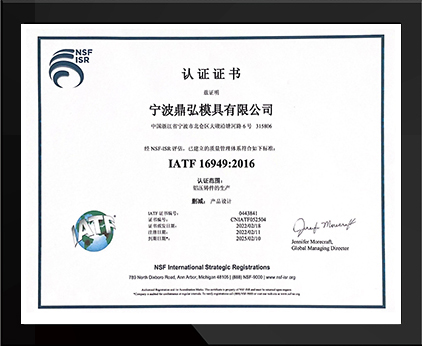
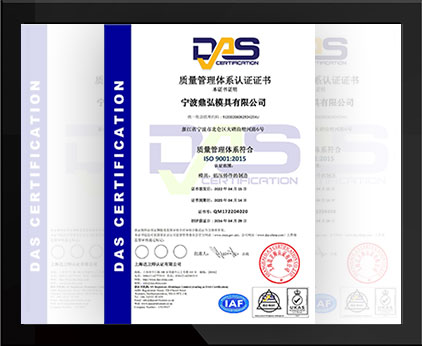
We have held ISO 9001 and IATF 16949 certification since 2017, with incoming, in-process and outgoing inspection stages. Inspection equipment includes CMM, X-ray flaw detectors and spectrometers, and results are recorded per batch so that a motorcycle casting can be traced back to its melt and tooling condition.
For motorcycle parts, the acceptance conversation usually covers dimensional report, wall thickness on trial samples, full dimension check before delivery, and porosity or leak behaviour on pressure-tight components. We agree the control points with the customer before the first trial shot so that the sample report matches the drawing and the intended function.
Related Die Casting Programmes
Motorcycle work shares tooling discipline with our other die casting families. Buyers developing a broader platform often combine motorcycle parts with Die Casting Fuel Automotive Parts or with Die Casting New Energy Parts on the same quality system, which simplifies supplier management and keeps inspection standards consistent.
Information We Use to Configure Your Solution
A reliable quotation for motorcycle die castings depends on a small set of inputs. When these are available, we can confirm alloy, tooling concept, machining scope and inspection plan without repeated clarification rounds.
- 3D model and 2D drawing with tolerances, datums and critical dimensions
- Intended function, load path and any sealing or pressure requirements
- Target annual volume and expected batch size per release
- Alloy preference or performance requirement if alloy is open
- Machining scope: as-cast, partial machining or finished part
- Surface treatment, colour and cosmetic acceptance criteria
- Inspection and documentation expectations, including sample approval route
- Packaging, labelling and delivery destination
Project Support, Documentation and Delivery
We provide dedicated project management, remote technical support through video conferencing and digital data sharing, and on-site engineering support for major projects when required. Documentation typically includes design data, inspection records and delivery checks, and we can align the reporting format with the customer's own quality system.
Our location next to Beilun Port supports efficient export logistics for customers in China, South America, Southeast Asia and the European market we are actively developing. Packaging is agreed per part: separators for machined faces, rust protection where needed, and labelling that matches the receiving plant's identification rules.
Frequently Asked Questions
Can you produce motorcycle parts from our existing drawings?
Yes. We work from customer 3D models and 2D drawings, review the design for castability, and return a tooling concept with parting line, draft, gating and machining allowance before manufacturing starts.
Do you handle both the mould and the serial castings?
We do. Mould design, mould manufacturing, die casting, precision finishing and inspection sit inside one facility, so the tooling and the production parts are controlled under the same quality system.
How do you control porosity in structural motorcycle castings?
Mould flow analysis is used to plan filling and cooling, and X-ray flaw detection is available to verify internal soundness. For pressure-tight parts we agree leak or porosity criteria before trial samples are submitted.
What inspection data comes with a batch?
Inspection is staged across incoming, in-process and outgoing checks, with CMM dimensional reports and spectrometer material verification recorded per batch. The exact report set is confirmed with the customer during project launch.
Can you support low-volume or prototype motorcycle projects?
We quote tooling and parts together, so prototype and pre-series quantities can be produced from the same mould that later serves serial supply. Volume, batch size and release schedule are part of the configuration discussion.
Which surface finishes are available?
Finishing is matched to the part's function and appearance requirement, covering as-cast surfaces, machining, deburring and polishing, with coating compatibility reviewed so that paint, powder coat or anodising adheres correctly.


 English
 Español
 русский
 Français