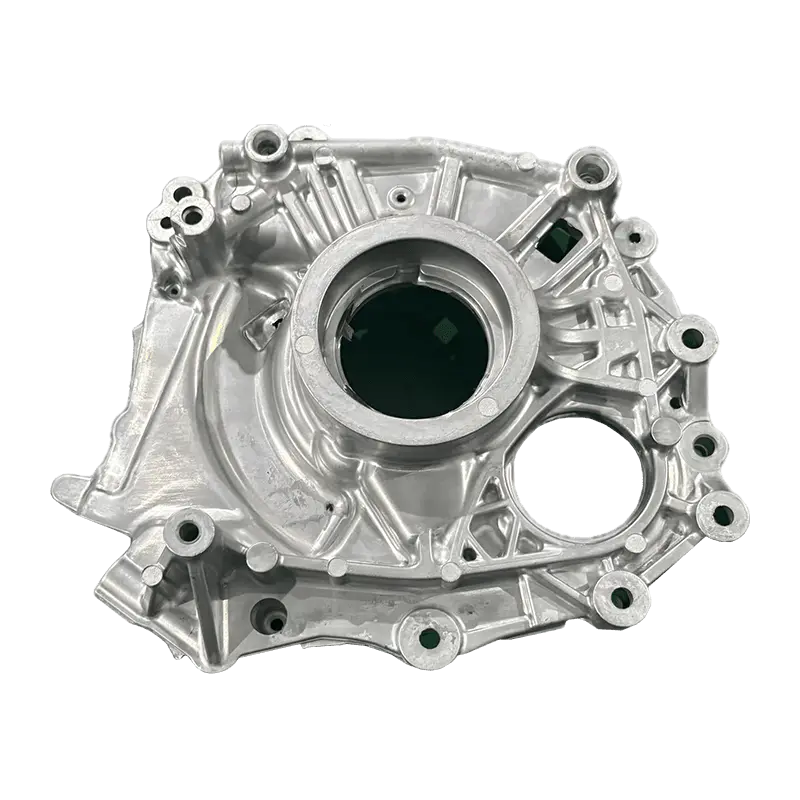
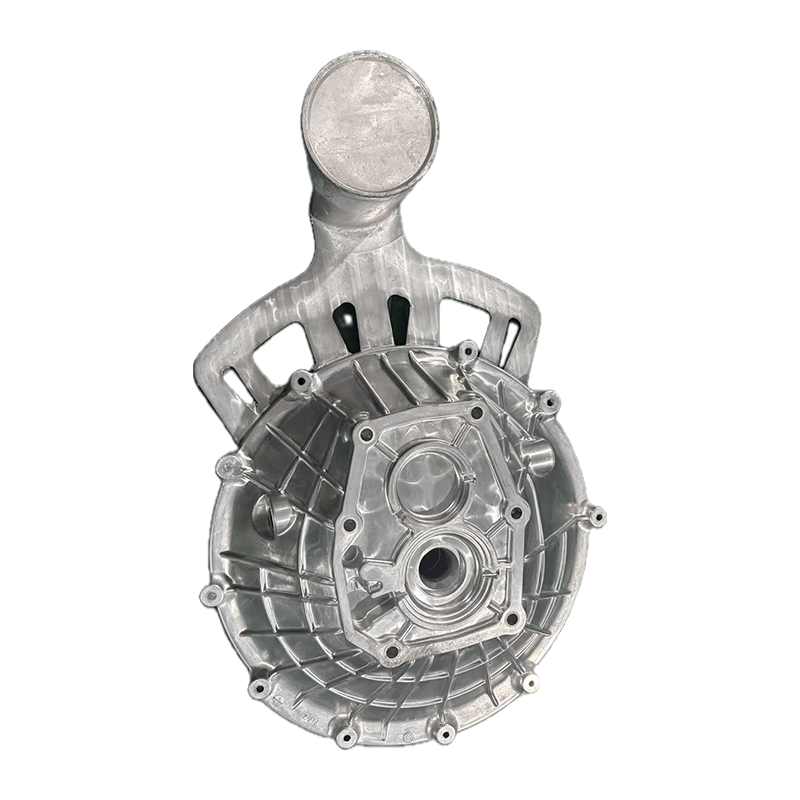
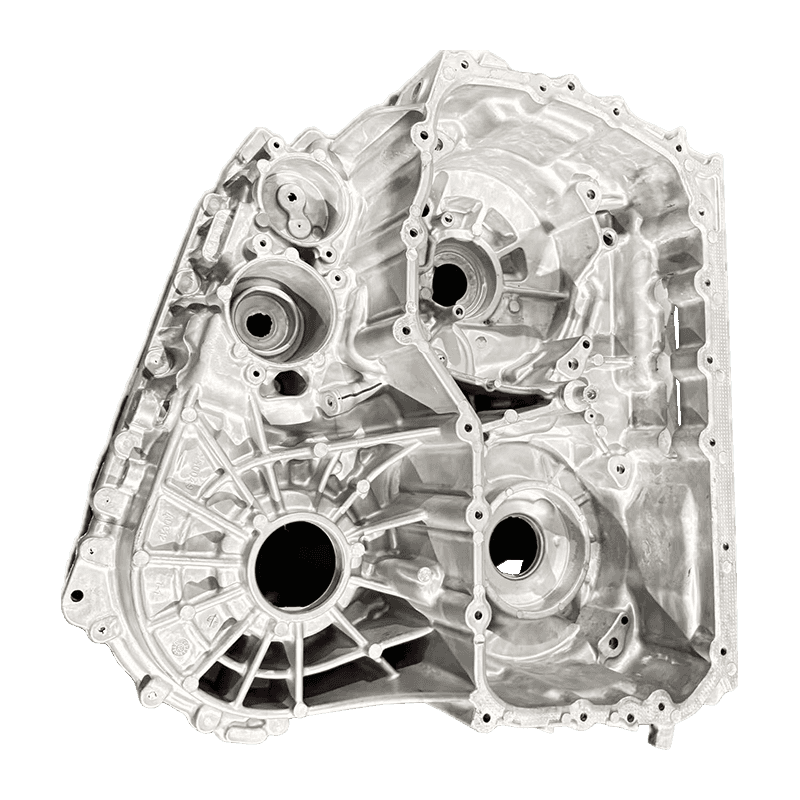
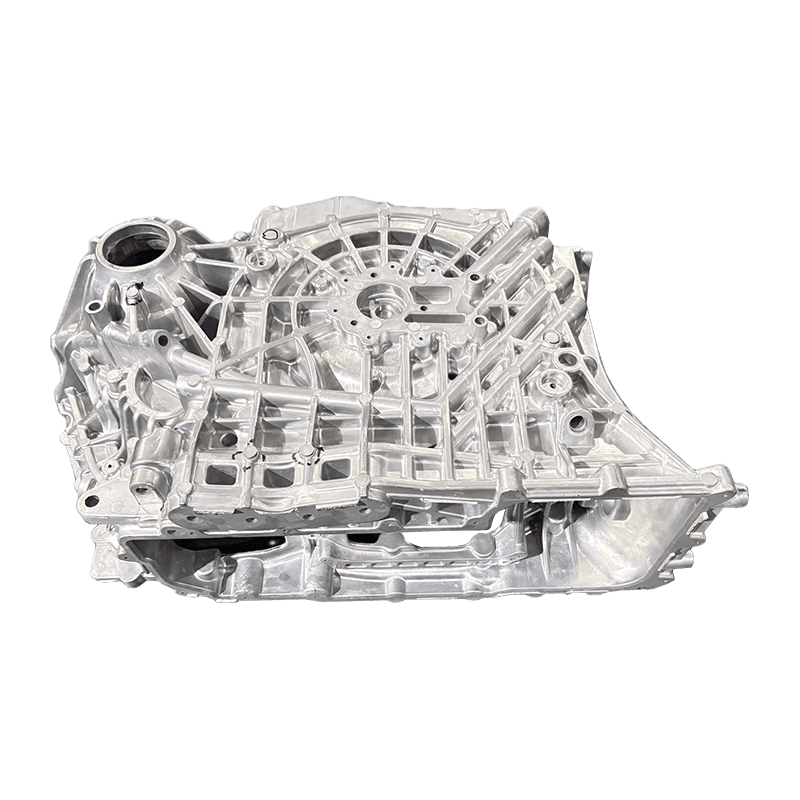
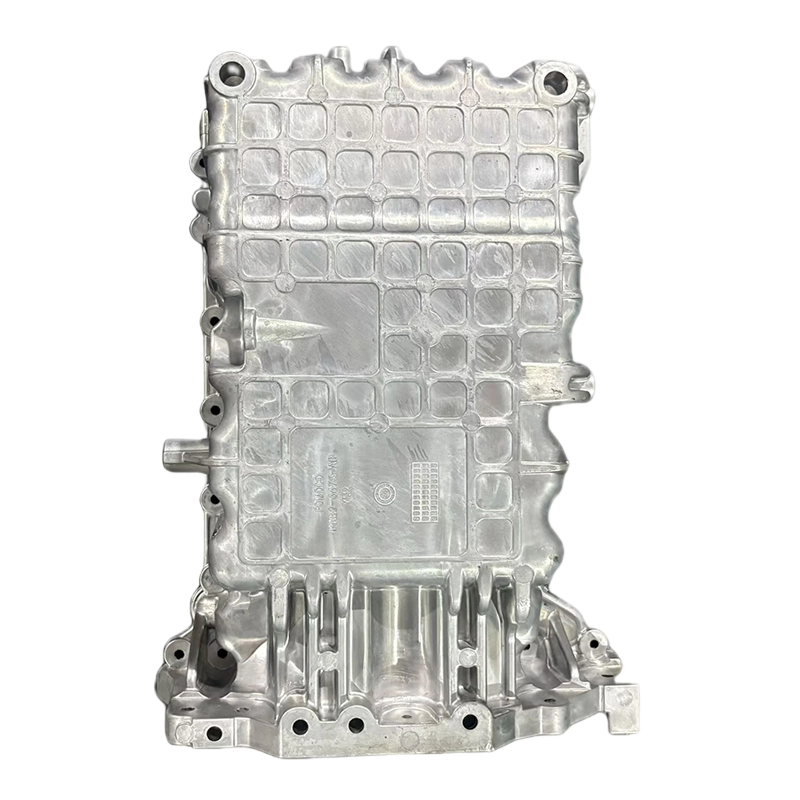
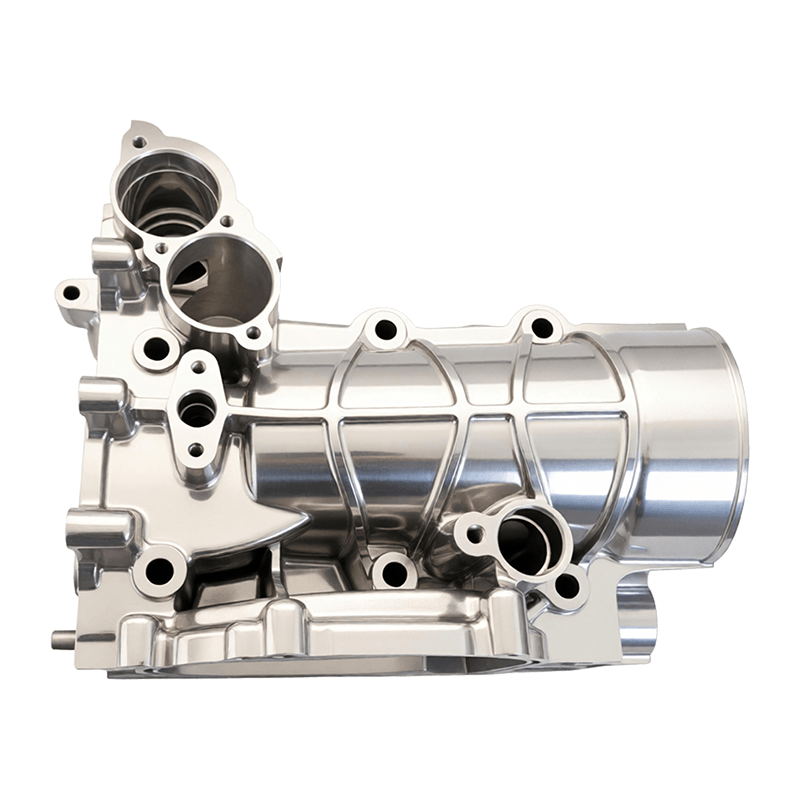
Ningbo Dinghong Mould Co., Ltd. is a China-based Die Casting Fuel Automotive Parts manufacturer producing aluminum alloy castings for fuel-system and powertrain applications. Our range covers clutch housings, oil pans, bearing plates, oil filter bodies and related housings, supplied as cast-and-machined parts or as complete tooling-plus-production packages.
We work from part design through tool development, die casting, precision finishing and inspection, so a program can start with a drawing or a sample and finish with production parts packed for export through Beilun Port.
What We Manufacture in This Category
Fuel automotive parts sit in the load-bearing and fluid-containment zone of a vehicle. They must hold pressure, resist vibration, keep bore and flange geometry stable, and stay leak-free over the service life of the vehicle. We cast these parts in aluminum alloy and machine the sealing faces, bearing seats, bolt patterns and ports to the drawing.
Our fuel automotive range is built around housings and covers rather than decorative trim. Typical parts include clutch housings, oil pans, shaft bearing plates, oil filter housings and hybrid or 4WD main housings. Each one is quoted with its own tooling, machining sequence and inspection plan.
Our Die Casting Fuel Automotive Parts Range
| Part Family |
Typical Function |
Key Casting / Machining Focus |
| Die casting 4D25 Clutch Housing |
Clutch and transmission enclosure |
Integral casting with stiffening ribs, bending stiffness, sealing faces |
| T822 Die casting Automotive Oil Pan |
Oil sump and fluid containment |
Wall thickness control, flange flatness, drain port machining |
| T0089151-M2 Shaft Bearing Plate |
Radial and axial load support |
Bearing seat geometry, wear surface hardness, dust resistance |
| Die Casting Automotive Oil Filters |
Filtration housing and cover |
Porosity control, thread and port accuracy, pressure tightness |
| HT30 Die casting 4WD Main Housing |
4WD system load-bearing housing |
Rigidity, impact and fatigue resistance, sealing and heat dissipation |
| Die casting 160S Super Hybrid Housing |
Hybrid drive housing |
Integrated motor, control and gear-set interfaces, cooling passages |
Adjacent families we also cast include Die Casting New Energy Parts and Die Casting Structural Parts for programs that share the same tooling and machining base.
Application Fit and Material Considerations
Fuel automotive castings are selected where weight reduction, stiffness and fluid sealing have to coexist. Aluminum alloy gives the housing its low mass and heat dissipation; rib layout and wall thickness give it the bending and fatigue resistance the application needs.
- Load path: bearing seats, mounting bosses and rib intersections carry the highest stress and drive the casting layout.
- Sealing: flange flatness, surface finish and porosity control determine whether the part stays leak-free.
- Thermal duty: oil pans and filter housings see repeated heating and cooling, so dimensional stability matters as much as strength.
- Assembly interfaces: bolt patterns, dowel positions and bore concentricity must match the mating component, not just the drawing.
Where a part also carries motor, inverter or reducer interfaces, we route it through our new energy and three-electric families rather than treating it as a simple cover.
Critical Specifications We Confirm Before Tooling
Every fuel automotive casting is defined by a small set of numbers that decide tool design, machine selection and inspection method. We confirm these with the customer before cutting steel.
- Alloy grade and heat treatment or as-cast condition
- Nominal wall thickness and minimum wall in critical sections
- Machined bore diameters, concentricity and bearing seat tolerance
- Flange flatness and surface roughness at sealing faces
- Porosity acceptance level and pressure-tightness requirement
- Coating, anodizing or surface treatment where specified
- Annual volume, batch size and expected program life
Capacity, Tooling and Production Flow
Our facility runs high-precision CNC machining centers, large-scale EDM equipment, full-tonnage die-casting machines and automated trimming lines. That combination lets us hold a housing in one process chain from casting through trimming and finish machining instead of moving it between separate vendors.
Tooling is designed in-house with CAD/CAE/CAM software. Mold flow analysis is run before the design is released, so filling, cooling and stress distribution are reviewed visually and corrected on screen rather than on the machine. This shortens the trial-and-error cycle and gives the customer a design proposal that is already production-oriented.
Quality Control and Acceptance
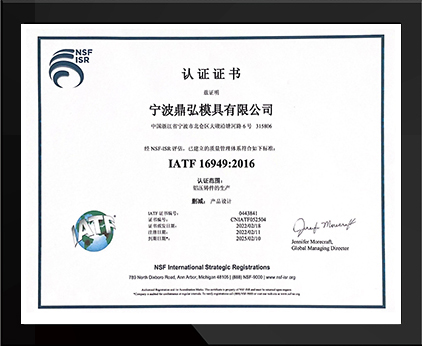
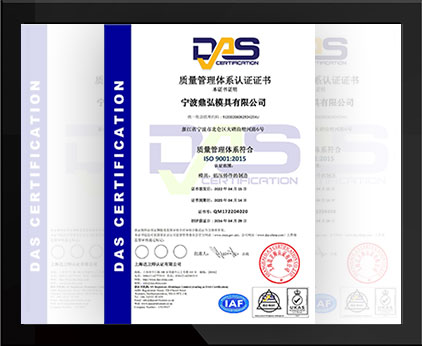
We have held ISO 9001 and IATF 16949 certification since 2017 and operate incoming, in-process and outgoing inspection. Inspection equipment includes CMM, X-ray flaw detection and spectrometer analysis, with data recorded per batch.
| Stage |
Check |
Method |
| Raw material |
Alloy composition |
Spectrometer |
| Casting |
Internal soundness, wall thickness |
X-ray, section check |
| Machining |
Bore, seat and flange geometry |
CMM |
| Pre-delivery |
Full dimension and appearance |
Final inspection record |
Acceptance criteria are agreed in the quality plan at project start, so trial samples are measured against the same standard as serial parts.
Configuration and Customization
Fuel automotive parts are rarely catalog items. We configure each program around the vehicle interface and the customer's production plan.
- Cast-and-machine or casting-only supply, depending on the customer's finishing capability
- Machining allowance and datum strategy matched to the customer's assembly fixture
- Integrated ribs, bosses and mounting features added within the casting design
- Surface treatment and marking options applied after machining
- Tooling ownership and maintenance arrangements defined in the project agreement
We also build the die casting molds themselves, so a program that starts as a new housing can be developed as a single tooling and production package.
Installation, Maintenance and Serviceability
Because these parts are assembled into driveline and lubrication systems, serviceability is designed in from the start. Bearing seats and wear surfaces are specified for the maintenance interval the customer targets, and dust or contamination resistance is considered where the part sits in an exposed position.
For tooling, we keep the design data, process records and inspection history so replacement inserts and spare components can be produced against the original specification. Maintenance intervals and spare-part scope are agreed with the customer rather than assumed.
Information We Use to Configure Your Solution
To prepare a reliable tooling and production proposal, we work from the following project inputs. The more complete the set, the faster we can release a design for review.
- 3D model and 2D drawing, including GD&T and datum scheme
- Alloy grade, heat treatment and surface treatment requirements
- Annual volume, batch size and launch schedule
- Mating components and assembly interface constraints
- Pressure-tightness, porosity and leak-test criteria
- Inspection and documentation expectations, including PPAP level where applicable
- Packaging, labeling and delivery destination
Where a drawing is not yet fixed, we can start from a sample or a functional description and develop the part design with the customer before tooling is committed.
Frequently Asked Questions
Which fuel automotive parts does Dinghong cast and machine?
We produce clutch housings, oil pans, shaft bearing plates, oil filter housings, hybrid and 4WD main housings and similar aluminum alloy components. Parts are supplied as cast-and-machined or casting-only depending on the program.
Can you develop the tooling and the part together?
Yes. We handle part design, tool development, tool building and parts production in one chain, with mold flow analysis used to validate the design before manufacturing begins.
How is porosity and leak-tightness controlled?
Alloy composition is verified by spectrometer, internal soundness by X-ray, and machined geometry by CMM. Pressure-tightness and porosity acceptance levels are defined in the quality plan agreed at project start.
What quality system backs these parts?
Our quality management system has been certified to ISO 9001 and IATF 16949 since 2017, with incoming, in-process and outgoing inspection and recorded data for each batch.
How do we start a project?
Send the part model or drawing together with alloy, volume and inspection requirements. We review the working point and interface constraints, then return a tooling and production proposal for confirmation.


 English
 Español
 русский
 Français