
 English
 Español
 русский
 Français
A 180 g aluminum housing with 1.8 mm walls and a ±0.10 mm bearing bore is quoted in the same week as a 12 g stainless s...
READ MORE
Content
Before a part ever reaches production, every buyer eventually asks the same question: should this component be injection molded or die cast? The confusion is understandable. Both processes fill a steel cavity with material under pressure, both produce net-shape parts in seconds, and both are workhorses of high-volume manufacturing. Yet the two are not interchangeable, and choosing the wrong one can stretch your timeline by months and inflate your piece price by several times.
The short answer is that injection molding is a polymer process and die casting is a metal process. If your application demands electrical conductivity, heat resistance, structural stiffness, or a metallic appearance, die casting is generally the only rational choice. If the part is purely cosmetic, low-stress, or weight-driven to an extreme, injection molding will usually win on cost. Metal injection molding (MIM) sits between the two, handling small, complex steel and stainless steel parts. Once you define the material requirement, the process selection becomes much easier. This guide walks through the full comparison: process steps, materials, tooling, tolerances, costs, and application fit, so you can make a purchasing decision based on your part's actual requirements rather than a generic process comparison.
Injection molding is a manufacturing process that forces molten polymer into a closed mold cavity under high pressure. The most common version, thermoplastic injection molding, feeds plastic pellets into a heated barrel, melts them, injects the melt into the mold, holds pressure to compensate for shrinkage, cools the part, and ejects it from the cavity. The entire cycle for a typical small or medium part runs between 20 and 60 seconds, which is why injection molding dominates high-volume plastic production across consumer electronics, automotive interiors, medical disposables, and packaging.
There is also a sub-process called metal injection molding (MIM). MIM starts with a powder of steel, stainless steel, or other alloys mixed with a thermoplastic binder. The mixture is injection molded into a cavity, producing a "green" part that still contains binder. The part then goes through debinding to remove most of the binder, followed by sintering at high temperature to densify the metal powder into a solid metal component. Because the feedstock behaves like plastic during molding, MIM can form geometries that are extremely difficult to machine or cast: small gears, surgical instruments, firearm components, electronic device hinges, and other intricate metal parts weighing from a fraction of a gram to roughly 100 grams. But the extra debinding and sintering steps make MIM a batch process rather than a single-cycle process, and the part size remains limited by the economics of powder handling and furnace capacity.
For the rest of this article, "injection molding" refers primarily to plastic injection molding, because that is the process most buyers actually compare against die casting. MIM is treated separately wherever it overlaps with die casting on small metal parts.
Die casting is a metal-forming process that injects molten non-ferrous metal into a hardened steel die under high pressure. Aluminum alloys such as A380, ADC12, and AlSi10Mg are the most common, followed by zinc alloys (Zamak 3, Zamak 5), and magnesium alloys. The metal is melted in a furnace, transferred to a shot chamber, and forced into the die cavity at pressures ranging from roughly 1,500 psi in cold-chamber machines to over 10,000 psi in certain hot-chamber and high-vacuum systems. The metal solidifies quickly against the cooled die surfaces, the die opens, ejector pins push the part out, and the die is sprayed with release agent before the next shot. Typical cycle times for aluminum housing parts range from 45 to 120 seconds, depending on wall thickness, part volume, and cooling design.
Die casting can produce large, thin-walled structural parts such as automotive shock towers, battery trays, transmission housings, motor housings, and communication filter bodies, in addition to small precision components like pump bodies and valve housings. The process delivers excellent dimensional stability, a metallic surface that can be painted or powder coated, and higher strength and stiffness than any engineering plastic. It also conducts heat and electricity well, which is essential for electronic housings and powertrain parts.
A point often missed in generic comparisons is that die casting covers several sub-processes. Cold-chamber die casting handles aluminum and magnesium; hot-chamber die casting handles zinc and other low-melting-point alloys; vacuum die casting removes trapped air to improve weldability and pressure tightness; and high-pressure die casting with specialized process control can produce structural parts with better elongation. Each variant changes the alloy selection, die design, and cost profile. When you evaluate a casting supplier, ask which of these capabilities they actually operate, because a supplier running only cold-chamber aluminum casting may not be able to support zinc components or high-vacuum structural applications.
At the most basic level, injection molding and die casting follow the same four-stage sequence: prepare the tool, fill the cavity, cool or solidify the material, and eject the part. That is why the Reddit-level summary you will see online says the processes are "practically identical." In practice, the differences appear in the thermal management, the fluid behavior, and the ancillary equipment.
One meaningful difference is the thermal shock. A plastic injection mold operates with a cavity surface temperature between 40°C and 120°C for most materials, with engineering polymers reaching 150°C or higher. A die casting die, by contrast, is repeatedly exposed to liquid aluminum at 650°C and then cooled by water channels and spray. This thermal cycling creates an entirely different failure mode: heat checking, soldering, erosion, and die fatigue. The die steel, heat treatment, surface coating, and cooling layout must all be designed specifically for metal casting. A mold designed for plastic injection molding will not survive a single aluminum shot, and a die casting die run in an injection molding machine makes no sense because the machine cannot handle the required temperatures or locking forces.
If you take only one thing from this article, take this: the material property requirement should drive the process selection. Injection molding and die casting only compete when an engineer is not sure whether the part should be metal or plastic, and that uncertainty usually disappears once the engineering team lists the functional requirements.
The engineering differences go beyond "metal is stronger than plastic." Consider these specific numbers:
| Property | ABS (injection molded) | PA66+30% GF (injection molded) | A380 Aluminum (die cast) | Zamak 3 Zinc (die cast) |
|---|---|---|---|---|
| Density (g/cm³) | 1.04 | 1.37 | 2.71 | 6.6 |
| Tensile yield strength (MPa) | 40–45 | 150–180 | 160–180 | 230–250 |
| Elastic modulus (GPa) | 2.1–2.4 | 9–11 | 70–75 | 85–95 |
| Thermal conductivity (W/m·K) | 0.17 | 0.3 | 96–110 | 108–113 |
| Continuous service temperature (°C) | 70–90 | 120–150 | 200+ | 100–120 |
| Electrical conductivity | Insulator | Insulator | Conductive | Conductive |
| Flame resistance | UL94 HB to V-0 | V-0 (with additives) | Non-combustible | Non-combustible |
Thermal conductivity is often the overlooked differentiator. A plastic LED driver housing may be perfectly strong, but if it cannot conduct heat away from the power components, the LED driver will overheat and fail. Die casting solves the heat problem inherently. This is why lighting fixtures, power converters, motor controllers, and communication amplifier housings are almost always aluminum die castings, no matter how advanced injection molding plastics have become.
Electromagnetic interference (EMI) shielding is another material-driven decision. Plastics require conductive paints, metal plating, or embedded conductive fiber fillers to provide shielding; a die cast aluminum housing provides natural EMI shielding with no secondary operation. Medical devices, industrial drives, and automotive electronic controllers increasingly specify metal housings specifically for this reason.
Chemical resistance is also worth examining. Many automotive and industrial environments involve exposure to oils, coolants, brake fluid, and cleaning solvents. A nylon housing may resist gasoline and oils but fail under hot brake fluid. Aluminum die castings, on the other hand, are compatible with essentially all automotive fluids, and they do not absorb moisture, creep under sustained load, or soften at ambient temperatures near hot engine components.
For MIM, the material range is narrow but unique: stainless steels (17-4 PH, 316L, 430L), low-alloy steels (42CrMo4), and occasionally titanium alloys. No plastic injection molding or aluminum die casting process can reach the strength, hardness, and corrosion resistance of a sintered stainless steel MIM part. If your component needs to be made of steel, MIM and die casting rarely compete anyway because die casting cannot process steel. The real competitor to MIM is investment casting, CNC machining, or powdered metal compacting, not die casting.
Tooling cost is usually the first number a procurement team calculates, so it helps to understand why a die casting die costs more than an injection mold of similar part size. The tool structure is comparable: both have a fixed half and an ejector half, a cavity and core, a runner or gating system, cooling channels, and ejector pins. The difference is in the steel and the thermal load it must survive.
Injection molds are commonly made of P20 or 718H pre-hardened tool steel for prototype and low-volume production, and S136 or H13 for high-volume or corrosive plastic grades. Because plastic melt temperatures rarely exceed 350°C, the mold surface temperature stays manageable, and the mold can last from 300,000 to more than one million cycles for commodity plastics like PP and ABS. Engineering plastics containing glass fiber wear molds faster, reducing life to 100,000–300,000 cycles.
Die casting dies require hot-work tool steel such as H13, SKD61, or a premium-grade variant that has been vacuum heat treated, nitrided, and often coated with an aluminum-diffusion barrier or PVD coating. The die faces molten aluminum running at 660°C, so the surface oxidizes, erodes, and thermally cracks over time. A typical aluminum die casting die delivers 80,000 to 150,000 shots before major maintenance, with frequent spot welding and polishing between runs. Zinc die casting dies last longer—often 300,000 to 500,000 shots—because the metal is cast at only 390–420°C. The practical consequence: die casting tooling carries a higher initial price and higher maintenance cost, and the supplier's toolmaking experience directly affects the total cost of ownership.
| Parameter | Plastic Injection Mold | Aluminum Die Casting Die |
|---|---|---|
| Typical tool steel | P20, 718H, S136 | H13, SKD61, DIEVAR |
| Melt/metal temperature | 200–350°C | 620–680°C |
| Surface treatment | Nitro-oxidation for wear | Nitriding + PVD coating |
| Expected tool life | 300,000–1,000,000+ cycles | 80,000–150,000 shots |
| Relative tooling cost (same part size) | Baseline 1.0x | 1.3–1.8x |
| Typical lead time | 4–8 weeks | 8–14 weeks |
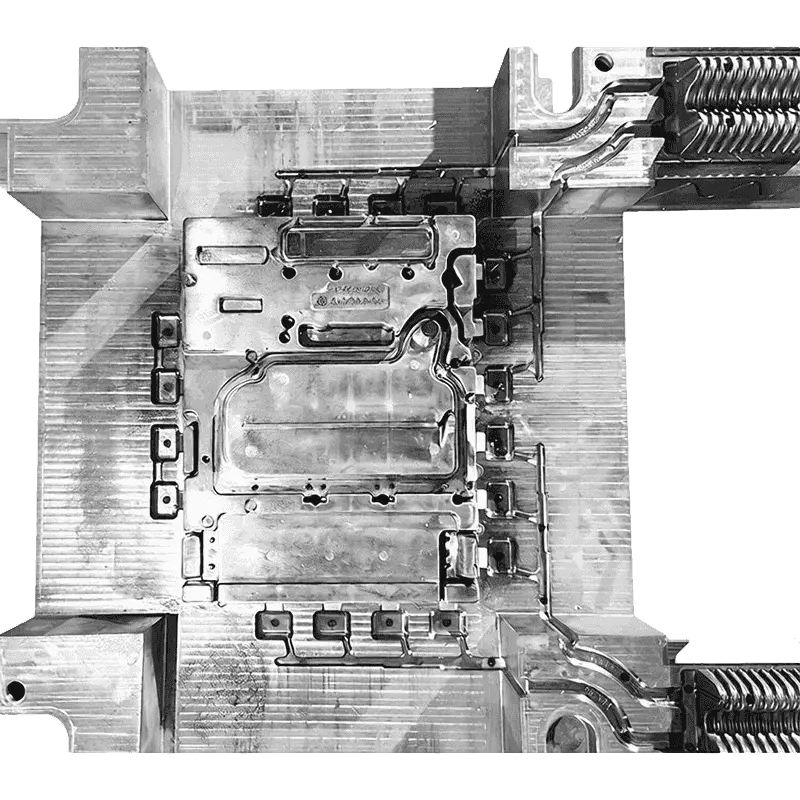
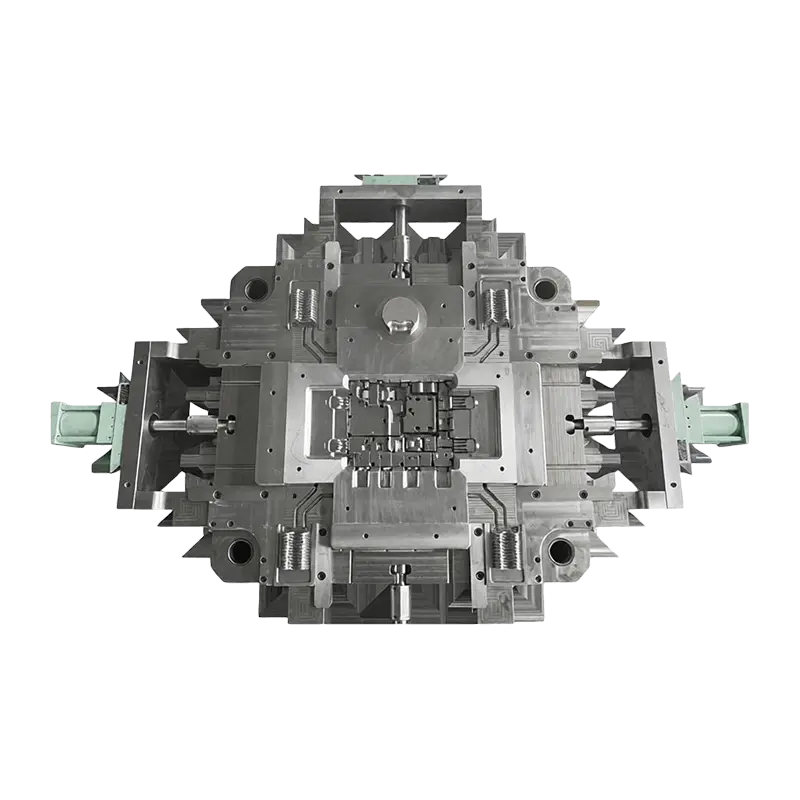
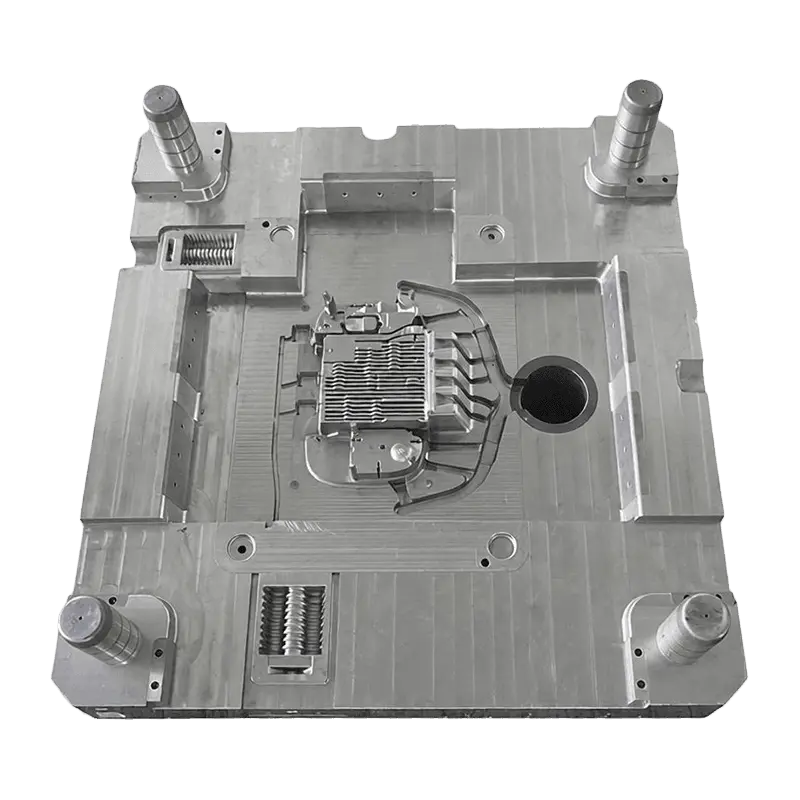
This is the place where a supplier with in-house tooling becomes important. Many casting buyers source a die from one supplier and then run production at a different foundry, which creates interface risk: cooling line designs, ejection layouts, gate positions, and shrinkage factors must be transferred accurately, and any mismatch means rework. In our own tool shop, we design and build the die and then run the casting production on the same floor, which shortens the tooling debug phase and gives the production team the ability to correct small issues on the spot. In practice, buyers who choose an integrated mold-and-casting supplier avoid the handoff cost and the delays caused by the die not running as expected in production.
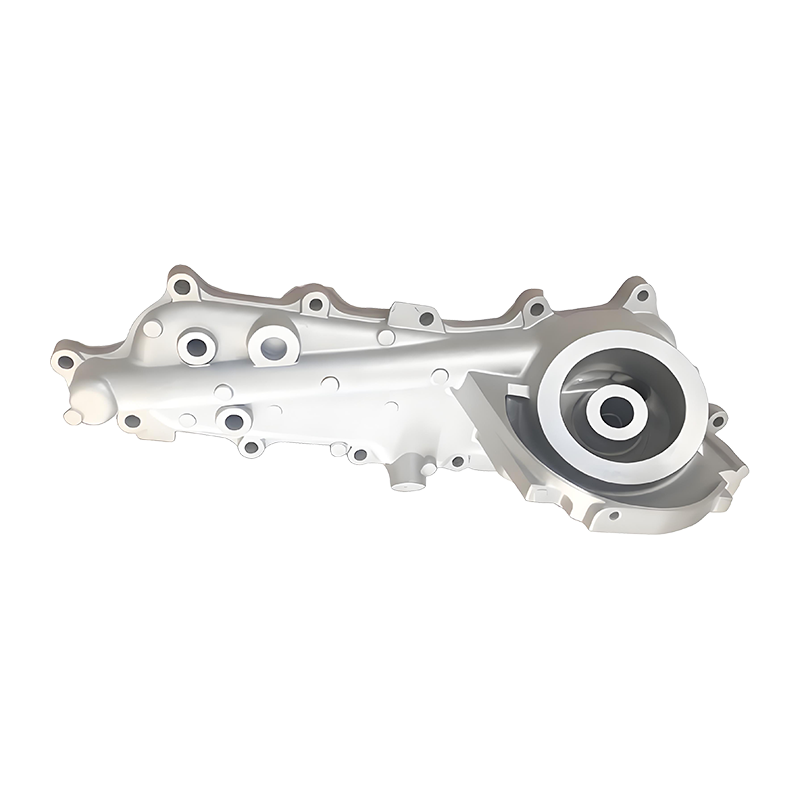
 Integrated Die Casting Mold and Production for Automotive Controller HousingThis product pairs in-house mold design with on-site casting production, reducing tooling handoff risk and debug delays for buyers needing precise automotive controller housings.View Product →
Dimensional precision is one of the most common reasons buyers compare these two processes, and the honest answer is that both can hold surprisingly good tolerances, but they achieve them in different ways and with different constraints.
For a well-designed plastic part in an engineering polymer, a general tolerance of ±0.13 mm across a 100 mm dimension is standard. Precision injection molding, with careful shrinkage compensation, can hold ±0.05 mm on critical dimensions, and some micro-molded parts go tighter. The challenge is that plastics are viscoelastic: shrinkage varies with wall thickness, flow direction, fiber orientation, and cooling rate. A large flat plastic part will warp if the gate location feeds it asymmetrically, regardless of how accurate the mold steel was cut. The mold maker's simulation work, combined with iterative tool trials, is what determines the actual dimensional outcome.
Die cast aluminum parts typically hold ±0.10 mm to ±0.15 mm on nominal dimensions, with tighter control possible on fixed die features and looser tolerance across the parting line because the flash and die shift add variation. Because aluminum cools from 660°C to room temperature, there is a thermal contraction on the order of 0.5–0.7% that must be compensated in the die design. A well-built die with stable process control holds repeatable tolerances across hundreds of thousands of shots, which is why die casting is used for precisely mating surfaces in transmission housings, motor stator bores, and valve bodies.
| Characteristic | Plastic Injection Molding | Aluminum Die Casting | Metal Injection Molding |
|---|---|---|---|
| General tolerance | ±0.10–0.25 mm | ±0.10–0.15 mm | ±0.05–0.10 mm after calibration |
| Minimum practical wall thickness | 0.5–0.8 mm | 1.2–1.5 mm (component dependent) | 0.5–1.0 mm |
| Typical wall thickness range | 1.0–3.5 mm | 2.0–5.0 mm | 1.0–5.0 mm |
| Surface roughness (as-cast/as-molded) | Ra 0.2–0.8 µm | Ra 0.8–3.2 µm | Ra 1.6–6.3 µm (sintered) |
| Part size range | 0.1 g to 50+ kg | 10 g to 50+ kg | 0.1–100 g typical |
Wall thickness deserves special attention because it drives both cost and mechanical performance. Plastic parts benefit from thin walls because the mold cools faster and material cost drops, and a typical design uses 2.0–2.5 mm nominal walls with ribs for stiffness. Die cast aluminum parts require a slightly higher minimum wall thickness because metal must flow across the die before freezing; a 300 mm long thin-wall aluminum casting is difficult to fill unless vacuum assistance or special gating is used. However, aluminum's modulus is roughly 30 times higher than unfilled plastic, so a 2.5 mm aluminum wall can replace a 6 mm plastic ribbed wall in stiffness-critical applications with less overall envelope. The classic design rule of thumb is: if you need strength and stiffness, aluminum die casting can achieve it with thinner total wall in a smaller space; if you need a lightweight, low-strength cosmetic shell, plastic can match the structural requirement with clever ribbing.
Surface finish is another practical consideration. Injection molding can reproduce a mirror-polished mold surface directly, which makes molded optics and transparent or high-gloss consumer parts possible. Die casting produces a matte metallic finish with visible flow lines and occasional surface porosity. Most functional aluminum castings receive a secondary surface treatment—powder coating, anodizing, chromate conversion, or painting—which masks minor surface imperfections and provides corrosion resistance and color. A buyer comparing "surface quality" should define whether the part will be painted. An unpainted transparent plastic lens has no die casting equivalent; a painted black housing that requires EMI shielding has no realistic plastic equivalent.
When buyers ask "which is cheaper," the accurate answer is "it depends on material, volume, finishing, and quality requirements." But there are reliable heuristics that come from real production data rather than marketing brochures.
A plastic injection molding cycle for a typical 200 g housing runs 30–50 seconds, dominated by cooling time. A comparable aluminum die casting cycle runs 45–90 seconds, including spray, shot, solidification, and ejection; trimming and gate removal add a few seconds in a downstream press. So on pure machine cycle time, injection molding is faster by a noticeable margin.
MIM completely changes the time calculation, because the injection step is fast, but the part must then be debound (2–8 hours) and sintered (6–12 hours in a furnace with slow heating and cooling). The total residence time from feedstock to finished metal part is measured in days, not seconds, even though the molding machine itself operates quickly. MIM economics work only when the part value, material cost, and design complexity justify the long furnace cycle.
Injection molding is economically attractive at very high volumes because the mold lasts for more cycles and the material cost is low. For a simple plastic bracket, a production run of 100,000 parts can push the piece price below $0.10. Die casting starts to look favorable when the part needs metal properties, and aluminum casting is cost-effective at annual volumes from 10,000 to over a million parts. Below about 1,000–3,000 parts per year, CNC machining from billet is often a better route than either molding or casting because the tooling cost is avoided entirely. Between 3,000 and 10,000 parts, the decision comes down to whether the customer will need the same part for multiple years, because tooling is a one-time investment that pays off over time.
| Factor | Plastic Injection Molding | Aluminum Die Casting |
|---|---|---|
| Tooling cost (estimate) | $20,000–$45,000 | $30,000–$70,000 |
| Cycle time per shot | 30–50 s | 45–90 s |
| Material cost per part | Low | Medium-high |
| CNC post-processing | Seldom needed | Often required for critical bores |
| Surface coating | Usually none | Powder coating or anodizing |
| Typical piece price range | $0.80–$2.50 | $2.50–$6.00 |
Buyers often misjudge the "cost per part" because they forget that die casting produces the part in a near-final shape, while a plastic part may require metal inserts, conductive EMI coating, or a separate metal mounting plate to meet the same functional performance. When the total assembled cost is compared rather than the injection molded piece alone, aluminum die casting frequently wins in automotive and industrial electronics applications. The best approach is to request a cost breakdown that includes tooling, piece price, finishing, and assembly labor, and compare at a consistent production volume.
Neither process is universally better. Specific applications cluster tightly around the material properties each process delivers.
Plastic injection molding is the dominant process for consumer appliance housings, power tool shells, automotive interior parts like door panels and glove boxes, medical disposable syringes and IV components, pipe fittings, caps, connectors, electronic device enclosures, and packaging. The common thread is that these parts do not need high structural load-bearing capacity, high temperature resistance, or metallic electrical conductivity. They rely on plastic's low density, low cost, chemical inertness, and design freedom.
Die casting has its own application clusters: automotive engine components, transmission housings, motor casings, battery housings, electronic controller enclosures, LED light housings, communication filter bodies, power tool gearboxes, pump housings, valve bodies, heat sinks, and structural parts like shock towers and longitudinal beams for electric vehicles. The common thread is load, temperature, vibration, electrical or thermal conduction, and the requirement that the part holds precise dimensions over a long service life.
In the automotive sector, the overlap between injection molding and die casting is visible in the same vehicle: the instrument panel housing is injection molded plastic, but the transmission housing and the electric drive motor housing are aluminum die castings. When a carmaker moves from an internal combustion powertrain to an electric powertrain, the number of aluminum castings per vehicle typically increases, because electric motors, inverters, battery trays, and reducers all require metal housings that dissipate heat and shield EMI. A high-pressure aluminum die casting is the standard solution for these parts, and the trend toward large structural castings—such as a single-piece shock tower or a battery tray—has pushed die casting into a realm that plastic injection molding cannot follow for structural reasons.
The choice becomes even clearer in industrial and utility products. A photovoltaic inverter housing operates outdoors for 20+ years, faces direct sunlight, and contains power electronics that generate heat. An aluminum die casting with a powder coating satisfies thermal, mechanical, and weather-resistance requirements, and it provides a grounded metal enclosure for electrical safety. A plastic housing would need complex metal inserts and thermal management features to approach the same performance, and the material cost savings would be consumed by additional components and assembly labor.
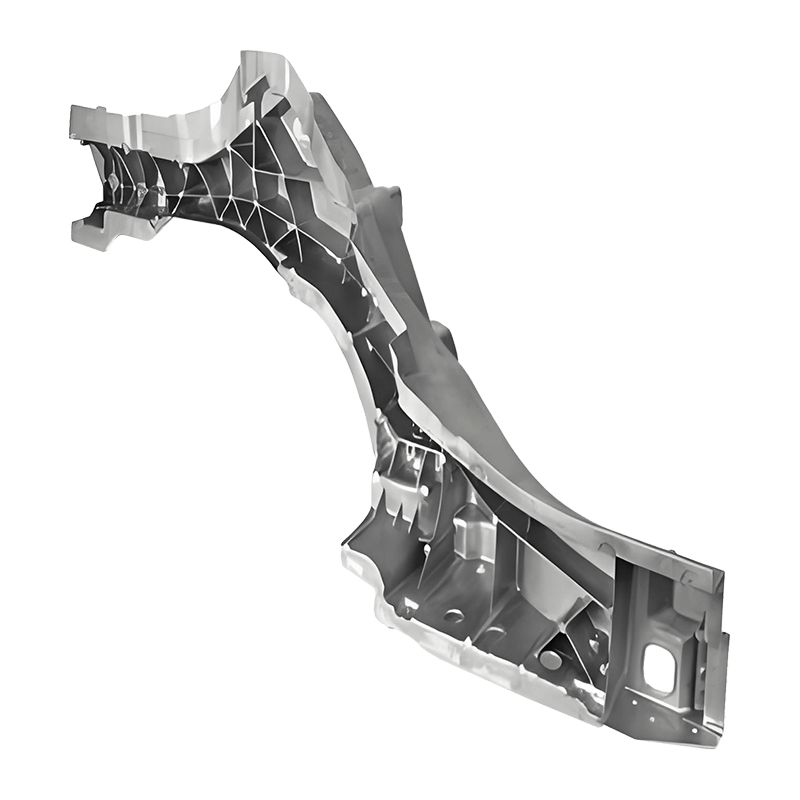
 Aluminum Die Casting Battery Tray for New Energy VehiclesA core structural battery component made of aluminum alloy, suited for outdoor and thermal demands; its integrated casting supports lightweighting in new energy vehicle platforms.View Product →
For smaller precision parts, MIM covers applications that neither plastic injection molding nor aluminum die casting can serve well: stainless steel surgical scissors, dental brackets, orthodontic devices, firearm sears, and consumer electronic structural parts that must be steel for strength and wear. If the part is steel, non-ferrous die casting is out of the question, and plastic is too weak. MIM fills that narrow but valuable niche.
For a buyer or engineer facing a new part, the decision framework is best applied in sequence. Start with the material requirement, then move to size and geometry, then to quantity and cost. The following checklist reflects the questions our own casting engineers ask when a customer brings a part drawing with a question mark about process selection.
Bigger parts push toward die casting. An aluminum battery tray for an electric vehicle can be over one meter long, and no injection molding machine fills a cavity that size with a structural polymer at competitive cost. Smaller, high-complexity parts with a few grams of mass push toward MIM if metal is required, or plastic injection molding if a polymer is acceptable. Mid-size parts (100 g to 3 kg) are the true competition zone: a plastic housing with metal inserts versus an aluminum casting with CNC machining. In this zone, the comparison must include assembly cost, heat dissipation, and long-term reliability, not just the housing piece price.
Volume below 5,000 parts per year favors CNC machining from billet or extrusion for metal parts, and rapid injection molding or CNC machining for plastic parts. Volume above 20,000 parts per year makes tooling amortization reasonable for either injection molding or die casting. MIM becomes attractive at volumes where its long furnace cycle can be absorbed by parallel furnace loading, usually starting at 10,000 to 50,000 parts per year and going up to millions for small parts.
Lead time also influences the decision. An injection mold can often be cut in 4–6 weeks for a simple part, while a die casting die typically takes 8–14 weeks including casting trials and dimensional approval. If the launch date is fixed and the tooling timeline is short, plastic may win even if metal is functionally better, unless the supplier has an experienced in-house tooling team and can compress the die-making schedule. This is an area where a vertically integrated supplier adds real schedule security: the mold design, machining, heat treatment, and casting trials are managed under one roof instead of handed off between three companies.
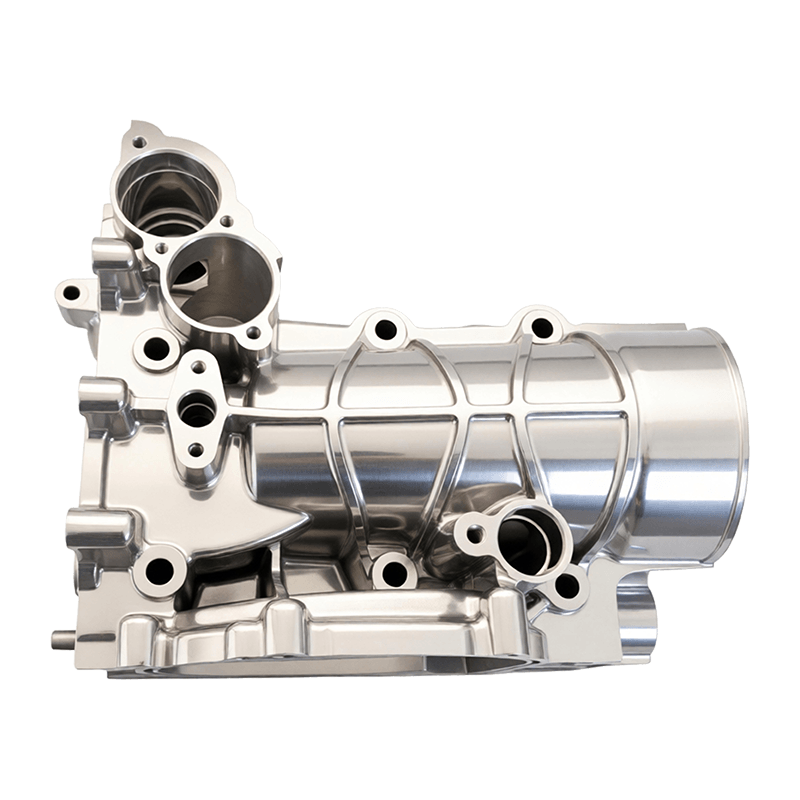
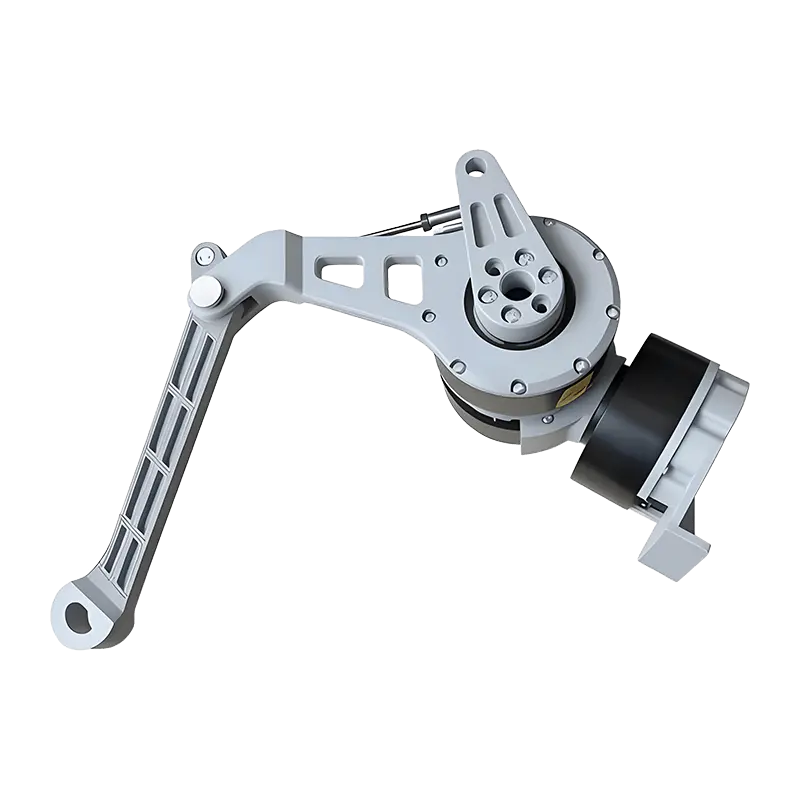
 Rigid 4D25 Clutch Housing Die Casting with Sealing StructureThis clutch housing uses an integral casting with stiffening ribs for high bending stiffness and leak prevention, meeting heavy-load and emission-related durability needs.View Product →
One recurring mistake is choosing plastic injection molding for an electronic housing and then discovering during thermal testing that the part needs a metal insert, a heat spreader, or a conductive coating that turns the cheap molding into an expensive assembly. The first cost estimate looked lower, but the fully integrated cost was higher than a single-piece die casting.
The second mistake is treating all die casting suppliers the same. Some casting shops are simple production foundries that buy tooling externally and have limited involvement in design for manufacturing. Others, like our own operation, run the entire chain from aluminum alloy selection, mold design and fabrication, casting, CNC precision machining, surface treatment, to final assembly. In practice, this determines whether a tolerance problem gets solved in two days or becomes a month-long dispute between the molder, the toolmaker, and the finishing shop.
The third mistake is ignoring the difference between casting quality levels. Cosmetic grade castings with visible porosity may be perfectly acceptable for a hidden bracket, but a pressure-tight valve body or a weldable structural part requires a die casting process with vacuum assistance, carefully controlled melt quality, and documented porosity standards. That is why the same part can be quoted with dramatically different prices by different suppliers: they are running different internal process standards, not playing pricing games.
A fourth mistake, common in MIM inquiries, is requesting MIM for parts that are simply too large or too thick-sectioned. Sintering a part with wall thickness above 10 mm in a low-alloy steel powder produces internal porosity and heavy shrinkage distortion. Many parts submitted for MIM would be better produced as a zinc or aluminum die casting if the material requirement is not specifically steel, or as a CNC machined part if quantities are low.
Injection molding and die casting will continue to coexist because they answer different engineering questions. Injection molding delivers low-cost, high-volume polymer parts with broad design freedom. Die casting delivers metal parts with the thermal, electrical, and mechanical performance that polymers cannot match. MIM delivers precision steel parts in a size range that would otherwise require expensive machining.
For buyers evaluating a new component, the first decision is not "molding versus casting" but "polymer versus metal." Once that is resolved, the process follows almost automatically. If the part must be a metal enclosure, bracket, or housing that dissipates heat, shields interference, and provides a durable surface, die casting should be at the top of your list, particularly for aluminum components in automotive, energy, and industrial electronics applications. The real risk is not choosing the wrong generic process; it is partnering with a supplier who lacks the tooling depth, process control, and finishing capability to deliver a truly reliable casting at a predictable cost.
When you compare suppliers, ask for examples of similar housings they have built, their internal tooling capability, the alloy grades they run, and the quality systems they follow—such as IATF 16949 for automotive work. Those answers tell you more about your long-term program risk than any generic process chart. For those already leaning toward a metal part, exploring how an integrated die casting supplier could produce your component from mold to finished product is the most direct path to a reliable cost estimate. The choice is rarely between "plastic or metal"; it is between "a supplier who merely runs a process" and "a partner who designs and delivers the best solution."

A 180 g aluminum housing with 1.8 mm walls and a ±0.10 mm bearing bore is quoted in the same week as a 12 g stainless s...
READ MOREMaterials & Manufacturing Yes, Aluminum Die Casting Parts are consistently lighter than Cast Iron Parts when engin...
READ MOREA mold quote for an aluminum die casting mold can swing by 30–50% for the same nominal part. The difference is rarely t...
READ MOREA 12-week die casting mold build can look competitive on quote and still become the expensive option if the first trial...
READ MORE

Sun Yuejun: +86-13806631860
Wang Shiyong: +86-15958891460 / 15058297768
Dove Yao: +86-18625086675


Copyright © Ningbo Dinghong Mould Co., Ltd. Rights Reserved. Custom Precision Die Casting Aluminum Alloy Parts Manufacturers
