
 English
 Español
 русский
 Français

Die casting is a manufacturing process that forces molten metal under high pressure into a reusable steel mold to pro...
READ MORE
Content
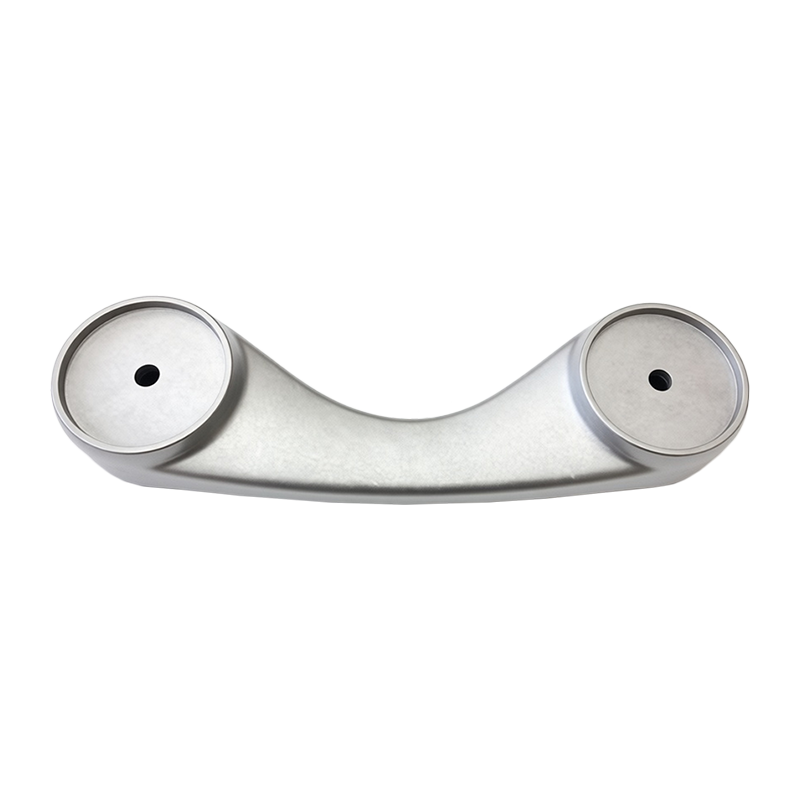
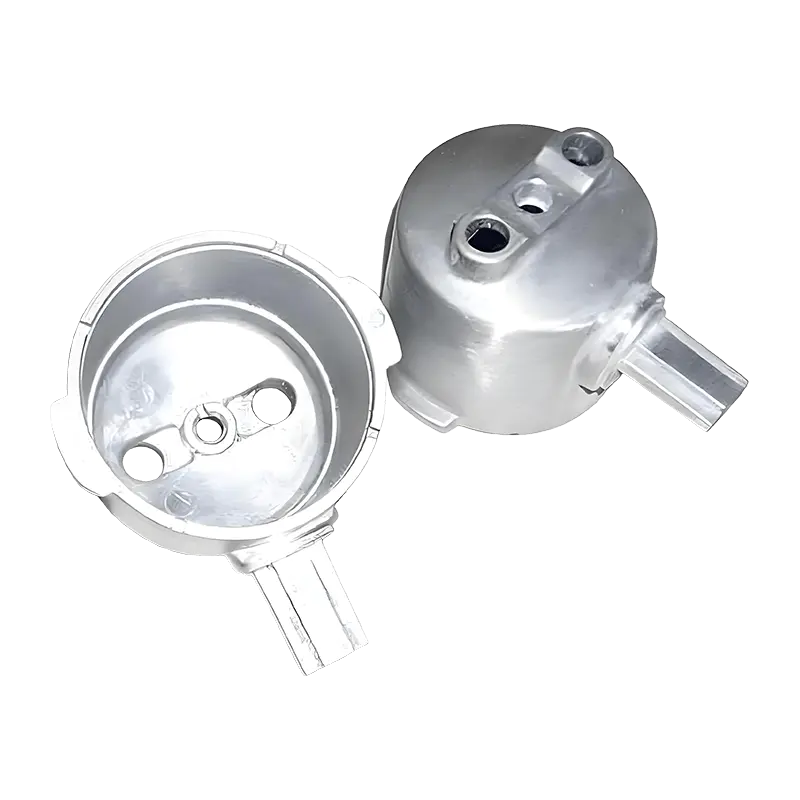
Die casting is a metal forming process that injects molten metal into a steel mold under high pressure, then holds that pressure while the metal solidifies. The mold, often called a die, is reusable and can produce thousands to millions of near-net-shape parts with consistent dimensions. If you are sourcing aluminum housings, brackets, heat sinks, or structural components, die casting is usually the fastest route from a 3D model to a finished part at volume.
The practical value is simple: you get complex geometry, thin walls, and tight tolerances without machining every feature from solid stock. That matters for automotive control units, electric vehicle battery trays, communication filter housings, and appliance components, where weight, thermal behavior, and assembly fit are all under pressure. The trade-off is tooling cost and a process window that must be controlled from the first shot.
A die casting cycle has six main stages. The die is cleaned and lubricated, then the two halves close under high clamping force. A shot sleeve delivers molten metal into the cavity through a runner and gate. The plunger pushes the metal at high speed, and intensification pressure packs the cavity before the metal freezes. After solidification, the die opens, ejector pins push the part out, and the part goes through trimming, deburring, and any required machining or surface treatment.
Cycle time depends on part weight, wall thickness, alloy, and machine size. Small zinc parts may cycle in a few seconds, while large aluminum structural castings can take 60 to 120 seconds or more. The shot profile, die temperature, vacuum level, and cooling layout determine whether the part is sound or full of porosity.
The first decision in process selection is whether the alloy can be handled in a hot chamber machine. Hot chamber machines keep a gooseneck submerged in the molten metal, which allows very fast cycles and low metal loss. Cold chamber machines use a separate shot sleeve; the molten metal is ladled or poured into the sleeve for each cycle. Aluminum alloys are not suitable for hot chamber systems because they attack the immersed components, so aluminum die casting is almost always a cold chamber process.
| Factor | Hot chamber | Cold chamber |
|---|---|---|
| Typical alloys | Zinc, magnesium, some lead alloys | Aluminum, magnesium, copper, zinc |
| Injection system | Gooseneck immersed in melt | Separate shot sleeve and plunger |
| Cycle time | Often 2 to 10 seconds | Often 20 to 120 seconds |
| Maximum part size | Small to medium | Small to very large |
| Common products | Zinc connectors, small gears, hardware | Aluminum housings, EV parts, structural castings |
For aluminum parts, cold chamber is the standard. For very small zinc components with high production volumes, hot chamber can be more economical because the metal is always ready and the cycle is short.
Aluminum is the most common die casting alloy for structural, thermal, and lightweight applications. Common grades include A380, A383, ADC12, and A360. A380 offers a good balance of strength, castability, and thermal conductivity. ADC12 is popular in Asia for thin-wall electronics and automotive housings. A360 has better corrosion resistance and is often used for parts exposed to moisture. Zinc alloys such as Zamak 3, Zamak 5, and ZA-8 provide excellent dimensional stability, high hardness, and easy plating, which is why they appear in small gears, connectors, and hardware. Magnesium alloys are lighter than aluminum but require careful handling because molten magnesium can react with water and oxygen.
The alloy choice affects more than strength. It changes die life, shrinkage, porosity risk, and finishing options. For example, an aluminum alloy with a wide freezing range may need more intensification pressure and better thermal control than a narrow-freezing-range alloy. A zinc alloy may cast to tighter tolerances and need less machining, but it will not match aluminum for weight-sensitive structures.
Die casting competes with sand casting, gravity casting, investment casting, and fabrication from wrought stock. The decision usually turns on volume, tolerance, surface finish, and the cost of secondary operations. At volumes above a few thousand pieces per year, die casting often wins because the tooling cost is amortized across many parts and the cycle time is short. At very low volumes, sand casting or machining may be cheaper because tooling is simple or nonexistent.
| Factor | Die casting | Sand casting | Gravity casting |
|---|---|---|---|
| Tooling cost | High | Low | Medium |
| Economic volume | Thousands to millions | One to thousands | Hundreds to tens of thousands |
| As-cast tolerance | Tight, often ±0.1 mm to ±0.5 mm | Wider, often ±1 mm or more | Moderate |
| Surface finish | Smooth, often Ra 1.6 to 3.2 µm | Rough, requires more machining | Moderate |
| Wall thickness | Thin, often 1.5 to 3 mm | Thicker, often 4 mm and above | Moderate to thick |
| Cycle time | Seconds to a few minutes | Hours to days | Minutes |
The tolerance figures are not universal. They depend on part size, alloy, die design, and whether the dimension crosses a parting line. A 200 mm aluminum housing may hold ±0.3 mm on a machined bore, but an as-cast feature across two die halves may need ±0.5 mm or more. Engineers should define critical dimensions early and allow the die caster to confirm what is practical before the tool is cut.
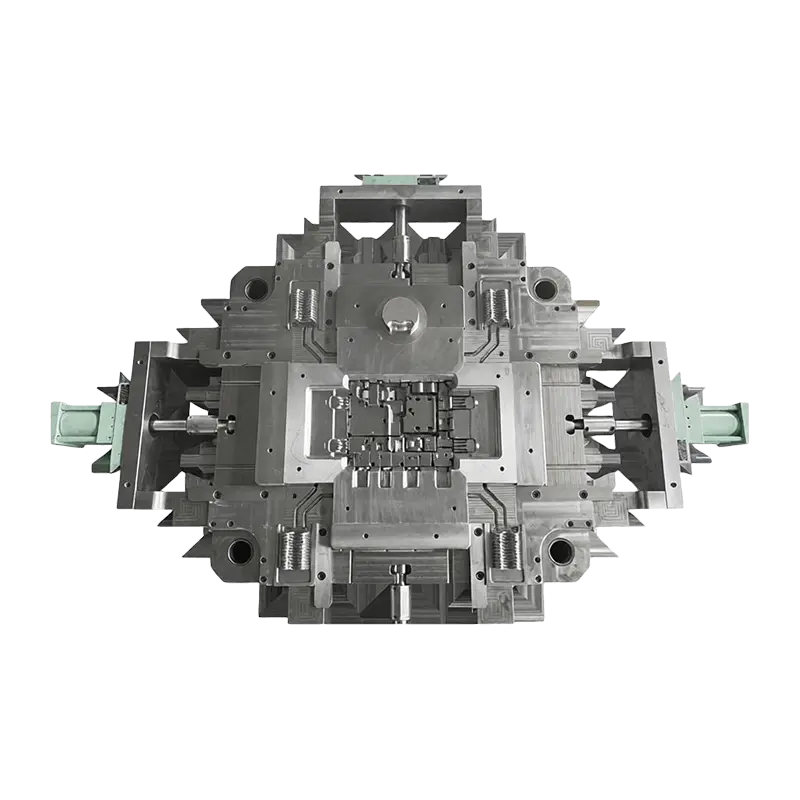
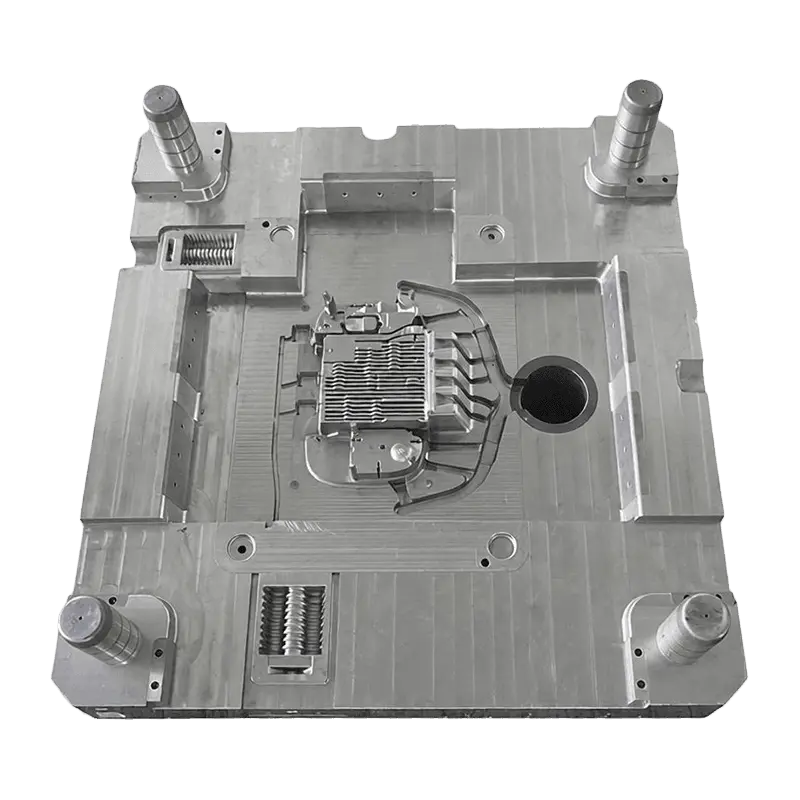
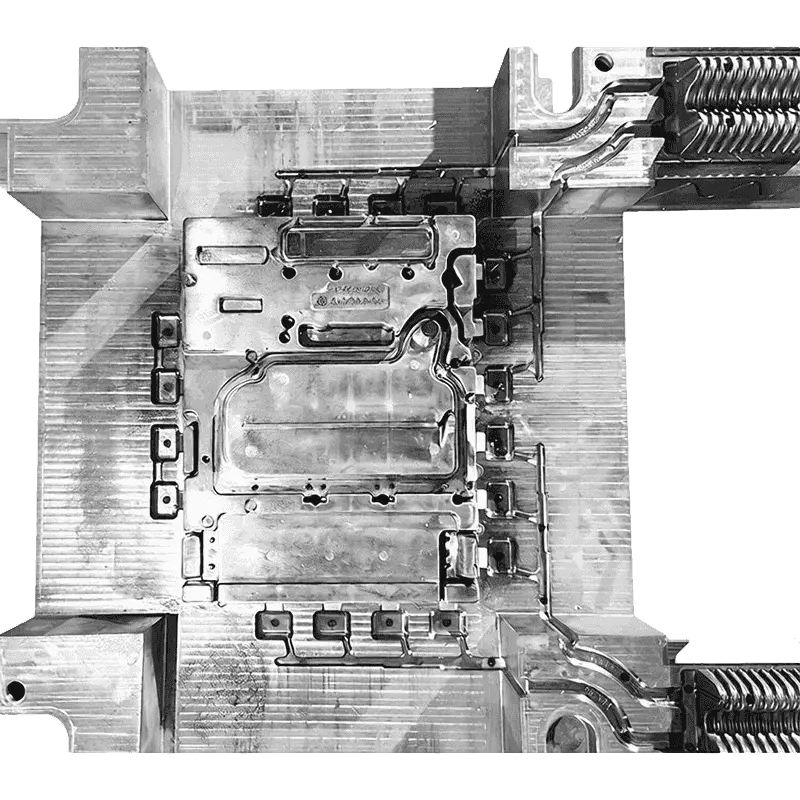
The die is the heart of the process. It determines part geometry, gate location, cooling, ejection, and venting. A well-designed die balances filling, solidification, and thermal fatigue. Poor gate placement can create turbulence, cold shuts, or excessive porosity. Poor cooling can extend cycle time or warp the part. A robust die also includes slides, cores, and inserts for undercuts, threads, and deep pockets.
Most projects begin with a feasibility review: draft angles, wall thickness, fillet radii, machining allowance, and parting line placement. Designers then run filling and solidification simulation to check air entrapment, shrinkage porosity, and die temperature distribution. This step is cheaper than cutting steel twice. The die casting parts and molds process explained guide covers how these decisions connect on the shop floor.
 Automotive Controller Housing Die Casting MoldDie casting mold for automotive controller housings, relevant when reviewing mold feasibility, filling simulation, and tooling-life factors.View Product →
Tooling life depends on alloy, die material, heat treatment, and maintenance. H13 steel is common for aluminum die casting, with hardness typically in the 44 to 48 HRC range. A die producing a small zinc part may last hundreds of thousands of cycles, while a large aluminum structural die may need refurbishment after 80,000 to 150,000 shots. The difference comes down to thermal cycling, soldering, erosion, and how carefully the die is cleaned and lubricated.
Porosity is the most common die casting defect. It appears as gas porosity from trapped air or shrinkage porosity from inadequate feeding. Gas porosity often comes from turbulent flow, poor venting, or excessive lubricant. Shrinkage porosity occurs when thick sections cool more slowly than the gates can feed them. Other defects include cold shuts, flash, soldering, cracks, and dimensional drift.
Control starts with process monitoring. Shot velocity, intensification pressure, die temperature, and vacuum level should be recorded and kept within a validated window. For safety-critical automotive parts, manufacturers often use X-ray, CT scanning, or real-time pressure monitoring. A quality system such as IATF 16949 adds discipline around change control, traceability, and corrective action. That matters because a porosity level that is acceptable for a decorative bracket may be unacceptable for a battery tray or controller housing.
Die casting produces near-net shapes, but most parts still need some machining. As-cast tolerances are usually sufficient for non-critical interfaces, while sealing surfaces, bearing bores, and threaded ports are machined. A typical machining allowance is 0.3 to 0.8 mm, depending on part size and fixture stability. Draft angles are essential for ejection; a common range is 1 to 3 degrees, with smaller angles possible on shallow walls and larger angles on deep ribs.
Finishing options include deburring, shot blasting, vibratory finishing, powder coating, anodizing, chromate conversion, and impregnation for pressure-tight parts. If a part must be leak-tested, the die caster and machinist should agree on the test method and the acceptable leak rate before production. For cosmetic parts, surface texture and flow marks need to be defined on a visual standard, not left to verbal description.
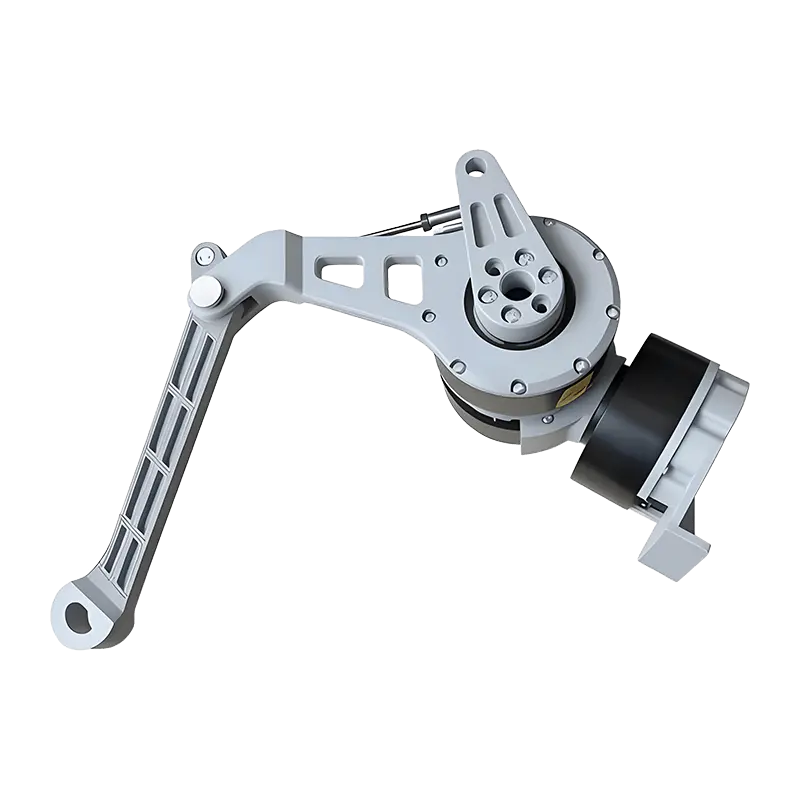
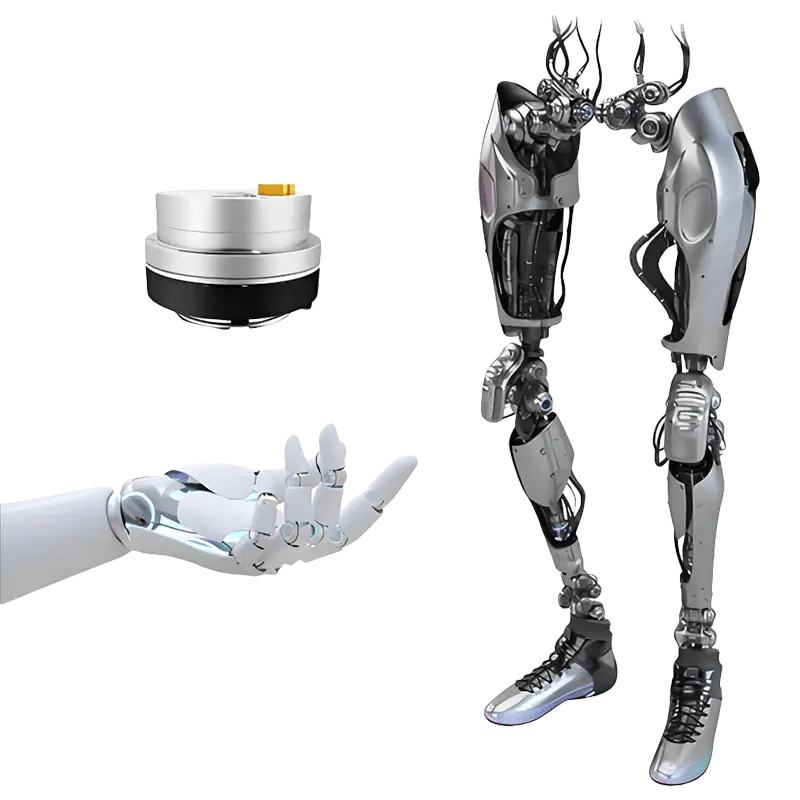
Die casting serves any industry that needs complex metal parts in volume. Automotive is the largest user, covering engine brackets, transmission housings, controller enclosures, and structural nodes. Electric vehicles add battery trays, motor housings, inverter housings, and electronic control unit cases. Communication equipment uses filter housings and heat sink cavities. Energy storage and solar systems use inverter housings, storage plates, and inductor boxes. Robotics, fitness equipment, and appliances use handles, frames, and small mechanical components.
 Die Casting Battery Tray for New Energy VehiclesAluminum battery tray casting for new energy vehicle battery systems, worth viewing for lightweight structural protection and integrated die-casting trends.View Product →
Aluminum battery trays are a good example of why die casting fits modern platforms. They must be light, stiff, and dimensionally stable to protect cells and bolt to the vehicle body. They also benefit from integrated cooling channels, mounting bosses, and ribs that would be expensive to fabricate from sheet or billet. In traditional powertrains, clutch housings and oil pans show the same logic: a single casting replaces multiple welded or machined pieces.
 Die Casting 4D25 Clutch Housing for Fuel VehiclesDie-cast 4D25 clutch housing with integral stiffening ribs, positioned for fuel automotive applications and worth viewing for rigidity and lightweight durability.View Product →
The price of a die-cast part is driven by four major factors: tooling, material, machine time, and finishing. Tooling is a one-time cost that depends on part size, number of cavities, slides, and expected life. Material cost follows alloy weight plus scrap recovery. Machine time depends on cycle time and tonnage; a part with thick walls or a long solidification time ties up a large machine. Finishing adds machining, coating, and inspection labor.
When comparing quotes, ask for the assumed alloy, cavity count, machine tonnage, cycle time, and finishing scope. A low piece price with a high scrap rate is not a stable price. Also ask how porosity is controlled, whether simulation is included, and how changes are handled after the first article inspection. If the supplier also builds the die, communication is shorter when a dimensional issue appears. That integrated model is common in Ningbo, China, where mold makers and die casters cluster near major ports and automotive supply chains. If you are evaluating a project, contact the team with your drawing and annual volume so the process can be matched to the right machine and tooling approach.
Die casting is not a single machine or a single alloy. It is a system of die design, process control, alloy selection, and finishing. The best results come when the part designer, toolmaker, and die caster work from the same assumptions about tolerances, wall thickness, porosity, and volume. Get those assumptions on the table before the steel is cut, and die casting can deliver durable, repeatable parts with short cycle times and low unit cost at scale.
Die casting is a manufacturing process that forces molten metal under high pressure into a reusable steel mold to pro...
READ MOREA mold quote for an aluminum die casting mold can swing by 30–50% for the same nominal part. The difference is rarely t...
READ MOREA 180 g aluminum housing with 1.8 mm walls and a ±0.10 mm bearing bore is quoted in the same week as a 12 g stainless s...
READ MOREA 12-week die casting mold build can look competitive on quote and still become the expensive option if the first trial...
READ MORE

Sun Yuejun: +86-13806631860
Wang Shiyong: +86-15958891460 / 15058297768
Dove Yao: +86-18625086675


Copyright © Ningbo Dinghong Mould Co., Ltd. Rights Reserved. Custom Precision Die Casting Aluminum Alloy Parts Manufacturers
